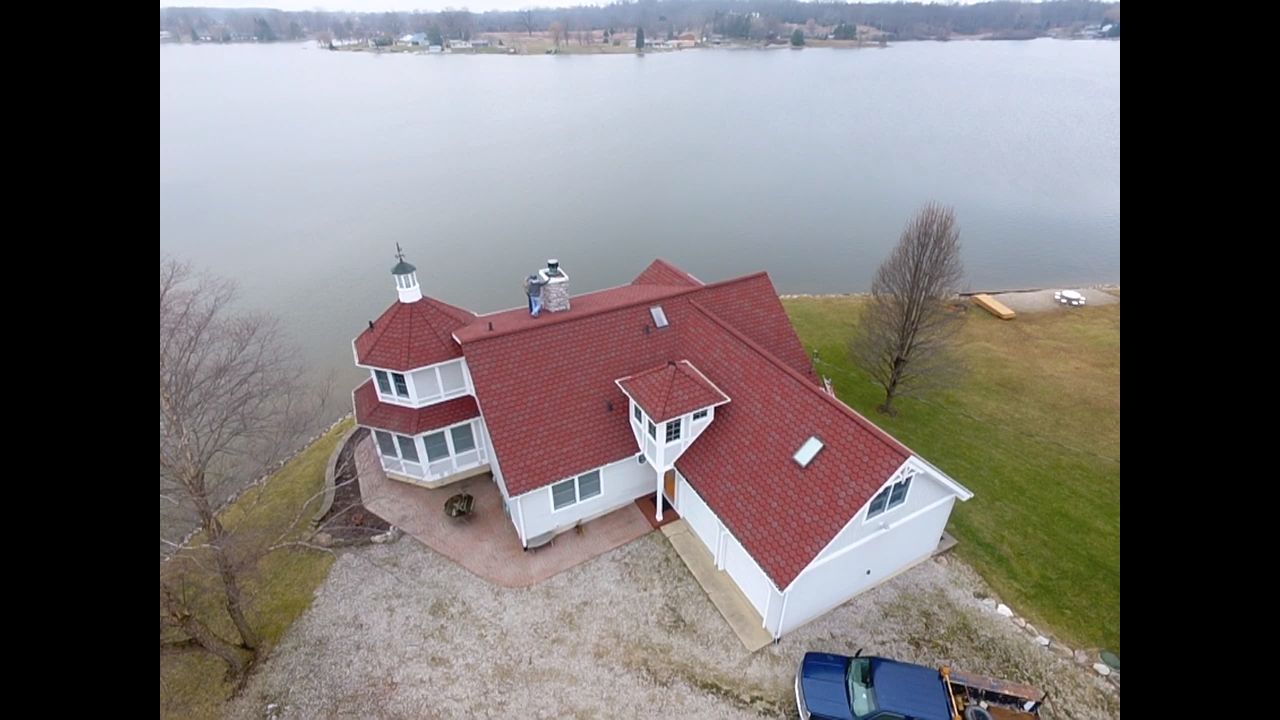


Roof Leaks and What Your Home Is Telling You

A brown ring on the ceiling rarely begins where you see it. Roof leaks can travel along roof decking, rafters, insulation, and wall cavities before water finally finds a place to show itself indoors. By the time a drip reaches a bedroom ceiling or a stain appears near a window, the source may be several feet away.
For homeowners and property managers in southern Michigan, northern Indiana, and Northwest Ohio, that matters. Our weather puts roofing systems through heavy rain, wind-driven storms, snow, freeze-thaw cycles, and occasional hail. Acting early can often turn a manageable repair into a straightforward service call instead of a larger restoration project.
The First Signs of Roof Leaks
A ceiling stain is the most familiar warning sign, but it is not the only one. Pay attention to peeling paint, bubbling drywall, musty odors in an upper room, damp insulation in the attic, or a new water mark around a chimney, skylight, vent pipe, or exterior wall.
Outside, missing shingles, lifted flashing, cracked pipe boots, loose ridge caps, and sagging gutters deserve attention. A roof can also leak without an obvious hole. Wind may force rain beneath shingles that still look intact from the ground, while worn sealant around a penetration can let in water only during certain storms.
Lake home and vacation property owners face an added challenge: a small leak can continue unnoticed for weeks when no one is there. If a neighbor, caretaker, or security camera alerts you to a ceiling stain or storm damage, arrange for an inspection promptly. Clear photos and regular communication help remote owners make informed decisions before damage spreads.
Why Roof Leaks Start
The age of the roof matters, but many leaks begin at the details rather than across the main roof field. Roofing materials are designed to shed water in layers. When flashing, underlayment, fasteners, ventilation components, or transitions are damaged or improperly installed, that layered protection can break down.
Flashing and roof penetrations
Chimneys, plumbing vents, wall intersections, skylights, and valleys are common leak locations because water is concentrated or redirected there. Flashing must be integrated with the roofing system so water moves over it and away from the structure. Caulk may provide a temporary stopgap in limited situations, but it is not a substitute for correctly installed flashing.
On metal roofs, attention to fasteners, seams, closures, pipe flashings, and transitions is especially important. A loose fastener or failing seal at a penetration can create a path for water even when the panels themselves remain in good condition. Standing seam systems have different repair considerations than exposed-fastener metal roofing, so the inspection should match the roof type.
Storm damage and wind-driven rain
A storm does not need to tear off half a roof to cause trouble. Wind can lift shingles enough to break their seal, dislodge ridge material, or expose a vulnerable edge. Hail may bruise or fracture shingles and damage soft metal components. Branches can puncture roofing, gutters, or flashing.
After a major storm, check the ground for shingle pieces, metal fragments, or unusual amounts of granules near downspouts. Use binoculars from the ground if needed, but do not climb onto a wet, steep, or visibly damaged roof. A professional inspection is safer and provides a clearer picture of what needs repair.
Ice dams, condensation, and drainage problems
Not every moisture problem under a roof is a roof leak. In winter, ice dams can form when heat loss melts snow on the upper roof and refreezes near the eaves. Water can then back up under shingles. The visible symptom may look like a failed roof, but long-term correction may involve insulation, air sealing, ventilation, and roof-edge protection as well as any needed roofing repair.
Condensation can also wet attic framing and insulation when warm indoor air reaches a cold attic. In other cases, clogged gutters or poor drainage allow water to overflow near fascia, soffits, and siding. An experienced contractor should identify the actual source before recommending a fix. Repairing the wrong component can waste money and leave the problem in place.
What to Do When You Find a Leak
Start by protecting people and limiting interior damage. Move furniture, electronics, and valuables away from the affected area. If water is dripping through a ceiling, place a container beneath it and use towels to protect flooring. If the ceiling is bulging with trapped water, stay clear of it. A saturated ceiling can fail unexpectedly.
If it is safe to access the attic, look for active dripping, wet insulation, or water trails on framing. Take photos of what you find, including the interior stain and any visible exterior damage from the ground. Those records can help a roofing contractor assess urgency and may be useful if you need to speak with your insurance carrier.
Avoid the temptation to cover the roof with a tarp during high winds or rain. Temporary protection can be valuable, but working at height in bad weather is dangerous. A roofing professional can secure the area safely and determine whether a temporary repair, targeted repair, or replacement is the responsible next step.
Repair or Replacement? The Right Answer Depends
A localized issue on a newer roof may call for a focused repair. Replacing damaged flashing, a pipe boot, a small section of shingles, or a limited area of underlayment can restore protection when the surrounding system is still sound.
Replacement becomes a stronger consideration when leaks are recurring, the roof is near the end of its service life, storm damage is widespread, or previous repairs have created a patchwork of weak points. It may also make sense when an existing roof has poor ventilation, inadequate flashing details, or installation defects that affect more than one area.
Material matching is another practical factor. Shingle repairs may not blend perfectly due to weathering and color variation. With metal roofing, matching panel profile, finish, and seam configuration can affect both appearance and performance. A trustworthy recommendation should explain these trade-offs plainly, rather than treating every leak as a reason for a full replacement.
For commercial buildings, the same principle applies, but drainage patterns, rooftop equipment, membrane condition, and interior operations add complexity. A small leak above inventory, offices, or equipment can create substantial disruption, so timely investigation is particularly valuable.
Insurance Claims After Roof Damage
If a storm caused sudden damage, notify your insurance company according to your policy requirements. Keep photos, dates, invoices for emergency mitigation, and notes about what occurred. Do not wait for an adjuster before taking reasonable steps to prevent additional damage, but avoid authorizing major work until you understand the scope and coverage.
Insurance policies vary. Wear from age, deferred maintenance, and long-standing leaks may not be covered the same way as wind or hail damage. A contractor can document roofing conditions and explain repair options, but the insurer determines coverage. Carbon Construction Company can help property owners understand the construction scope and communicate clearly during the repair process.
How to Reduce the Risk of Future Leaks
Routine attention goes a long way. Keep gutters and downspouts clear, trim branches that hang over the roof, and have loose flashing or damaged shingles addressed before the next hard rain. After storms, inspect from the ground and check attic spaces for new moisture.
An annual roof inspection is particularly useful for older roofs, homes surrounded by mature trees, and properties that sit vacant for part of the year. It also gives owners a chance to plan rather than react. If replacement is approaching, you can compare asphalt shingle, metal, and standing seam options based on budget, style, maintenance expectations, and how long you expect to own the property.
A dry ceiling after the next rain is reassuring, but it should not be the only measure of success. The right repair identifies where water entered, corrects the failed detail, and protects the structure beneath it. When something in your home says water is getting in, listening early is one of the best ways to protect the investment you have worked hard to build.


Comments