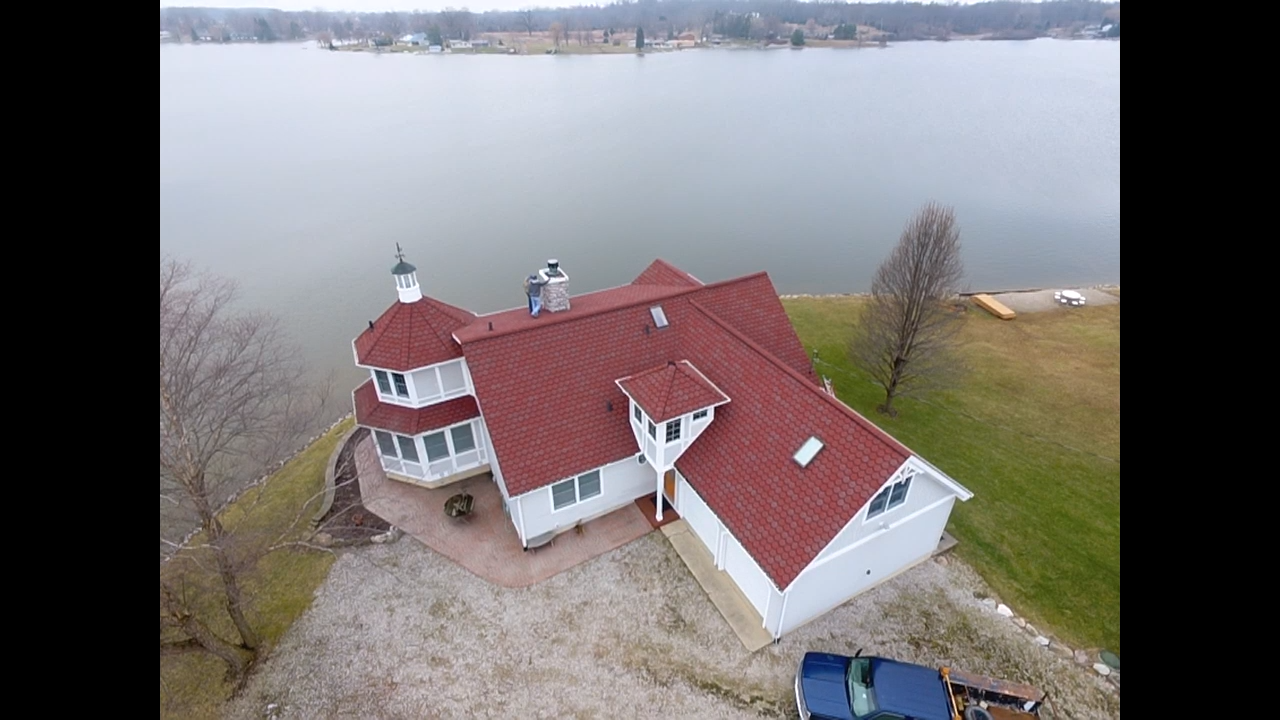


8 Top Additions for Lake Houses That Last

A lake house should make it easier to enjoy the property, not create another list of repairs every spring. The best top additions for lake houses do more than add square footage. They protect the home from changing weather, create room for family and guests, and make arrival and departure simpler for owners who may not be there every week.
Around southern Michigan, northern Indiana, and Northwest Ohio, lake properties face a particular mix of wind, moisture, snow loads, freeze-thaw cycles, and seasonal use. That makes planning just as important as the addition itself. A feature that looks good on a summer weekend still has to perform through a wet November, a heavy snow season, and months when the home may sit empty.
Start With the Way You Use the Property
Before deciding between a porch, garage, bedroom addition, or new roof system, consider how the house works on its busiest day. Is there enough room for wet shoes, life jackets, coolers, and fishing gear? Can grandparents move comfortably from parking to the front door? Does the kitchen feel crowded when everyone gathers inside during a rainy afternoon?
The right project often solves a daily frustration rather than following a trend. A modest mudroom may add more value to a frequently used lake house than a larger living room. A covered porch can extend the season more effectively than an uncovered deck if the family wants protection from sun and rain.
It also helps to think in phases. If the roof, siding, windows, and foundation drainage need attention, address those protective systems before attaching a major new addition. Building onto a home with unresolved water issues can create a larger and more expensive problem later.
1. A Covered Porch or Screened Porch
A covered porch is one of the most practical additions for a lake property. It creates outdoor living space that stays usable when the weather changes, and it gives guests a comfortable place to gather without tracking lake sand and wet towels through the house.
A screened porch is especially useful near wooded shorelines where mosquitoes can cut an evening short. The trade-off is that screens require occasional maintenance and may reduce the open-air feel some owners prefer. For a more flexible option, consider a covered porch with removable screen panels or a porch designed for future enclosure.
The roof connection matters. The new porch roof should shed water correctly, tie into the existing structure with proper flashing, and be designed for local snow conditions. This is not an area for shortcuts, particularly on homes exposed to lake winds.
2. A Durable Deck With Better Access
A well-planned deck creates a natural transition between the house and the water. It can provide room for grilling, dining, and watching the sunset while keeping activity outside the main living area. If the current deck is undersized, unstable, or reached through a narrow door, replacement may be a better investment than repeated repairs.
Material selection depends on your priorities. Treated lumber offers a familiar look and lower upfront cost, but it needs consistent care. Composite decking generally costs more initially, yet it can reduce ongoing staining and splinter concerns. Either choice needs sound framing, secure footings, safe railings, and stairs that are comfortable to use when bare feet or wet surfaces are involved.
For many lake houses, a two-level deck is worth considering. One level can serve the home, while the lower level handles traffic coming from the yard, dock, or shoreline. The layout should preserve drainage and avoid creating a dark, damp space beneath the deck.
3. A Mudroom That Handles Lake Life
Lake living brings a steady flow of wet clothing, muddy boots, towels, coolers, and outdoor equipment. A mudroom addition gives all of it a designated place before it reaches the kitchen or living room. This is a smaller project with an outsized effect on how the home functions.
Include durable flooring, wall hooks, storage benches, and cabinets that can hold cleaning supplies, extra towels, and seasonal gear. If space allows, a utility sink is helpful for rinsing off hands, bait containers, pet paws, or sandy footwear. Good ventilation is important, since moisture trapped in a small room can lead to odors and mildew.
For a vacation property, a mudroom also provides a useful shutdown zone. Owners can store dock lines, outdoor cushions, and maintenance supplies in one organized area before leaving for the season.
4. A Garage or Storage Building
Many lake homes were built for weekends, not for the amount of equipment modern owners keep on site. A detached garage or well-designed storage building can protect boats, trailers, lawn equipment, tools, paddleboards, and seasonal furniture from weather and theft.
The best design fits the property rather than dominating it. Placement must account for driveway access, shoreline setbacks, drainage, utility lines, and local zoning requirements. A building that is easy to enter with a trailer may require more turning space than owners expect.
A garage can also support a finished room above or beside it, depending on the site and local regulations. That can create guest space without overcrowding the main house. However, adding living space requires more planning for insulation, heating, electrical work, egress, and structural support than simple storage.
5. A Bedroom or Bunkroom Addition
When family and friends gather at the lake, sleeping arrangements can become the biggest limitation. Adding a bedroom, bunkroom, or small guest suite can make the property more comfortable and more useful for multiple generations.
A bunkroom works well when the goal is flexible sleeping capacity, especially for children and teenagers. A private bedroom with a nearby bathroom may be the better choice for aging parents or long-term guests. The decision comes down to who uses the home most often and whether privacy or capacity matters more.
Keep the addition connected to the home’s existing circulation. Guests should not have to pass through a bedroom to reach a bathroom or walk through the main gathering space every morning. Window placement, exterior views, and insulation also deserve careful attention. Lakefront views are valuable, but windows must be installed and sealed to handle wind-driven rain and temperature swings.
6. A Kitchen Expansion or Open Gathering Area
At most lake houses, people gather in the kitchen whether the room is designed for it or not. Expanding the kitchen or opening it to a dining and living area can make a smaller home feel much more functional without dramatically increasing its footprint.
This project should be guided by traffic flow, not only finishes. Give people room to move around the cook, unload groceries, and serve meals without blocking doors or hallways. Durable counters, easy-clean flooring, and practical storage often matter more than elaborate features in a high-use vacation home.
Opening walls can involve structural changes, so the project needs a clear plan before construction begins. It is also a good time to evaluate electrical capacity, insulation, plumbing, and the condition of nearby exterior walls. A remodel that improves the room while correcting hidden issues offers better long-term value.
7. A Metal Roof and Exterior Weather Protection
Not every high-value lake house improvement adds interior space. A dependable roof system is one of the most valuable additions to the property’s protection plan. Metal roofing, including standing seam metal roofing, is a strong option for owners who want long-term durability, a clean appearance, and dependable performance in rain and snow.
Roof selection depends on the home’s architecture, budget, and existing structure. Asphalt shingles remain a practical choice for many properties, while metal can be especially appealing for lake homes that see wind, snow, and extended periods without an owner on site. Proper ventilation, flashing, underlayment, and installation quality matter as much as the visible roofing material.
Pairing roofing work with siding repairs, gutters, or improved drainage can help protect the entire exterior. Water should move away from the house, not pool beside the foundation or find its way behind aging trim.
8. A Four-Season Room for More Time at the Lake
A four-season room provides a protected place to enjoy the view when the temperature drops or rain moves in. Unlike a basic porch enclosure, it is built with insulation, efficient windows, and a heating plan that supports use beyond summer.
This is a worthwhile addition for owners who want to extend weekends into spring and fall. It can also become the preferred room for coffee, reading, or quiet time away from a busy main living area. The trade-off is cost: a true four-season room requires more substantial construction than a seasonal porch.
For the best result, match the room’s roofline, finishes, and window proportions to the existing home. An addition should look like it belongs there, while still giving the family a clear benefit every time they visit.
Plan Carefully When You Live Away
Remote lake house owners need more than a contractor who can complete the physical work. They need detailed scopes, realistic schedules, regular communication, and documentation that makes decisions easier from a distance. Clear drawings and photos can prevent misunderstandings before construction begins, especially when several improvements are being considered at once.
Carbon Construction Company helps lake property owners plan projects around both the home’s condition and the way the family uses it. Whether the need is a new roof, a porch, a garage, or a larger addition, a careful site review can identify the work that will protect the property and improve everyday enjoyment.
The best lake house addition is the one that lets you spend less time managing the property and more time using it. Start with the part of the home that creates the most friction, build it to handle local weather, and choose a plan you will still appreciate after many seasons on the water.


Comments