

Architectural Shingles Review: Worth the Cost?

A roof can look acceptable from the driveway and still be near the end of its useful life. Curling edges, loose granules in the gutters, dark streaks, and shingles that lift after a strong storm all deserve a closer look. This architectural shingles review explains why these heavier, dimensional asphalt shingles have become the common choice for homeowners across southern Michigan, northern Indiana, and Northwest Ohio - and when they are worth the additional cost.
Architectural Shingles Review: What You Are Buying
Architectural shingles are asphalt shingles built with multiple laminated layers. Unlike older three-tab shingles, which have a flat and uniform appearance, architectural shingles have a thicker profile and patterned shadow lines that create more depth on the roof.
That added dimension is not just cosmetic. The construction generally gives architectural shingles better resistance to wind and normal wear than basic three-tab products. They are also available in a broader range of colors and styles, including options that resemble slate or wood shake without the maintenance demands and weight of those materials.
For most homes in our region, architectural shingles represent the middle ground between entry-level asphalt roofing and higher-cost metal roofing. They provide dependable protection, an attractive finished appearance, and a price point that works for many replacement budgets. Still, they are not all made to the same standard, and the label on the bundle tells only part of the story.
The Benefits Homeowners Notice Most
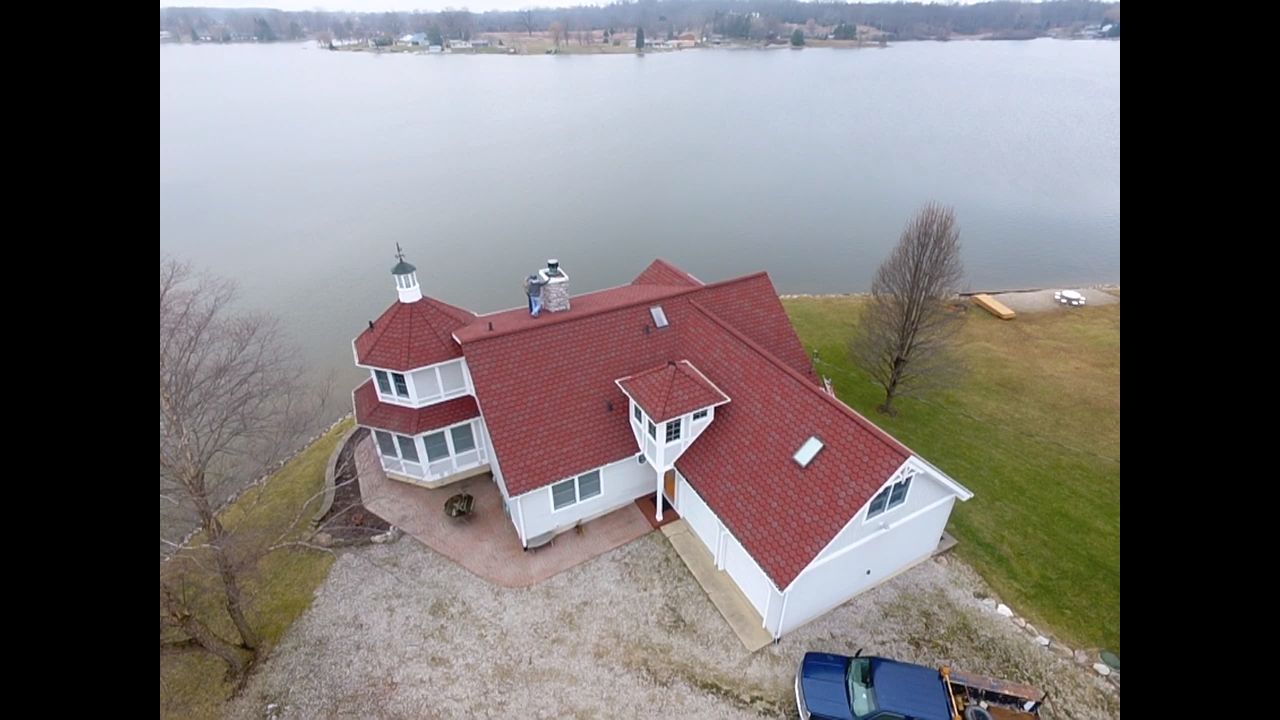
The first benefit is curb appeal. A dimensional roof can make an older home look more finished and can complement siding, brick, stone, or trim more effectively than a flat three-tab roof. Color matters here. A dark charcoal roof may suit a home with light siding, while warmer browns and weathered wood tones can work well with brick or lake-house settings.
Durability is the other major reason homeowners choose architectural shingles. Many products are rated for higher wind speeds than three-tab shingles when they are installed with the correct nail pattern, starter strip, and ridge components. This matters in open rural areas and around lakes, where wind can put steady pressure on roof edges and ridge lines.
Architectural shingles also tend to carry longer limited manufacturer warranties than basic shingles. A longer warranty can be reassuring, but it should not be the only deciding factor. Warranty coverage often depends on correct installation, adequate attic ventilation, proper accessories, and registration requirements. It does not erase the need for regular inspections after significant storms.
Where Architectural Shingles Have Limits
No asphalt shingle roof is maintenance-free or permanent. Even a quality architectural shingle can age early if the roof deck has problems, attic moisture is trapped, or water backs up at eaves because of ice dams. In Michigan, Indiana, and Ohio, winter conditions make underlayment details especially important.
Architectural shingles are also heavier than three-tab shingles. A sound roof structure can normally support them without concern, but a contractor should still inspect the decking and framing during the estimate. Soft decking, prior leaks, and hidden rot should be addressed before new shingles are installed. Covering those issues can leave a new roof looking good while the structure underneath continues to deteriorate.
Cost is another trade-off. Architectural shingles typically cost more than a basic shingle system, both for material and installation. In return, homeowners usually receive a better appearance and stronger long-term performance. Whether that value is worthwhile depends on how long you plan to own the property, the condition of nearby homes, and the exposure of your roof to wind, trees, and weather.
For a long-term home, a well-installed architectural shingle system is often a sensible investment. For a property that may be sold soon, the decision may depend more on local market expectations and the condition of the existing roof. A roof replacement can support resale confidence, but selecting the most expensive product is not always necessary to achieve that goal.
Installation Determines How Well the Roof Performs
A shingle is only one piece of a roofing system. The quality of the installation has a direct effect on leak prevention, wind resistance, appearance, and warranty eligibility. That is why comparing estimates should involve more than comparing the number at the bottom of the page.
A complete proposal should explain what happens to the existing roofing, how damaged decking is handled, and what underlayment will be installed. It should also identify the starter shingles, drip edge, flashing, ventilation, ridge caps, and cleanup process. These items may not be as visible as the finished shingles, but they protect the areas where roof failures often begin.
Pay close attention to these areas
Ice and water protection is particularly valuable along eaves, valleys, and around penetrations where water can collect or work beneath shingles. Proper flashing around chimneys, walls, skylights, and vent pipes is equally important. Reusing failing flashing to reduce an estimate may create a repair issue soon after a roof replacement.
Ventilation deserves the same attention. If warm, moist attic air cannot escape, it can contribute to excessive heat, condensation, mold concerns, and premature shingle aging. A roofing contractor should look at both intake ventilation near the eaves and exhaust ventilation near the ridge rather than simply adding a ridge vent and assuming the system is balanced.
Finally, ask how the crew will protect landscaping, siding, windows, and driveway areas during tear-off. Dedicated roofing crews can often complete a standard replacement quickly, sometimes in one day, but speed should come from preparation and experience, not from skipping important details.
Choosing the Right Shingle Grade and Color
Architectural shingles are sold in several performance levels. Standard laminated shingles are appropriate for many homes, while premium or impact-resistant options may make sense for properties exposed to frequent hail, high wind, or heavy tree cover. Impact-resistant shingles can cost more upfront, and any insurance benefit varies by carrier and policy, so it is wise to confirm the details before making that choice.
Color selection should be made outdoors, not from a small sample under indoor lighting. Look at the home in morning sun, shade, and late afternoon light. Consider the siding, masonry, gutters, shutters, and neighboring homes. On a lake property or vacation home, a color that works with the setting can be as important as one that looks good in a showroom.
Be cautious about choosing a very dark roof solely because it is popular. Darker colors can be attractive, but they may show fading or debris differently than lighter blends. Homes surrounded by mature trees may benefit from algae-resistant shingles, although no product eliminates the need to keep branches trimmed and roof valleys clear of leaves.
Questions to Ask Before Signing a Roofing Contract
A clear conversation before the work begins prevents many disappointments afterward. Ask whether the estimate includes removal of all existing roofing layers, replacement pricing for damaged decking, and disposal. Confirm the exact shingle line and color rather than accepting a general description such as "architectural shingle."
You should also ask how the contractor handles weather delays, what ventilation work is included, and who will be your point of contact during the project. If storm damage is involved, ask for help documenting the damage and understanding the scope of an insurance claim. A contractor can provide useful information and support, while the property owner remains responsible for decisions with the insurance carrier.
Remote owners should request photos, a written scope, and regular updates. This is especially helpful for lake houses and second homes where it is not practical to visit the site each day. Clear communication is part of protecting the investment, not an extra service.
Is an Architectural Shingle Roof Right for Your Property?
For many homeowners, the answer is yes. Architectural shingles offer a durable, attractive, and practical roofing option when installed as part of a complete system. They are especially well suited to homeowners who want a meaningful upgrade from three-tab shingles without moving to a metal roof.
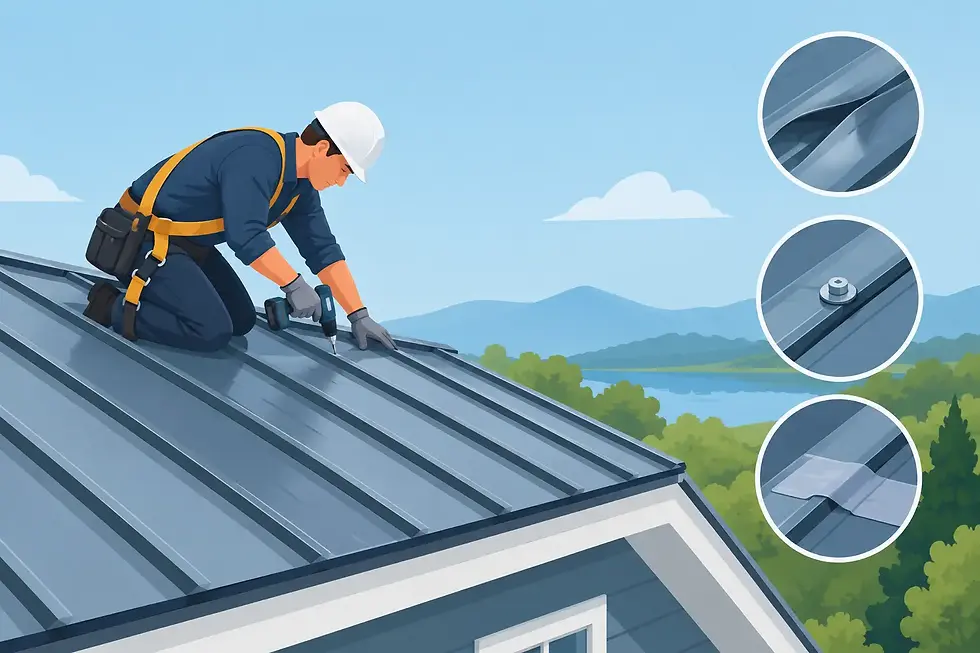
There are situations where another choice may be better. A homeowner seeking the longest potential service life may prefer standing seam metal roofing. A property with unusual roof geometry, recurring ice issues, or a history of wind damage may need a more specialized design and material recommendation. The best choice comes from evaluating the entire roof, not selecting a product from a brochure.
A careful inspection gives you a clearer starting point than guessing from the ground. Carbon Construction Company can help property owners assess roof condition, compare architectural shingle options, and develop a scope that accounts for the details beneath the visible roofline. The right roof should leave you confident when the forecast turns, whether you are home every day or checking on a property from miles away.


Comments