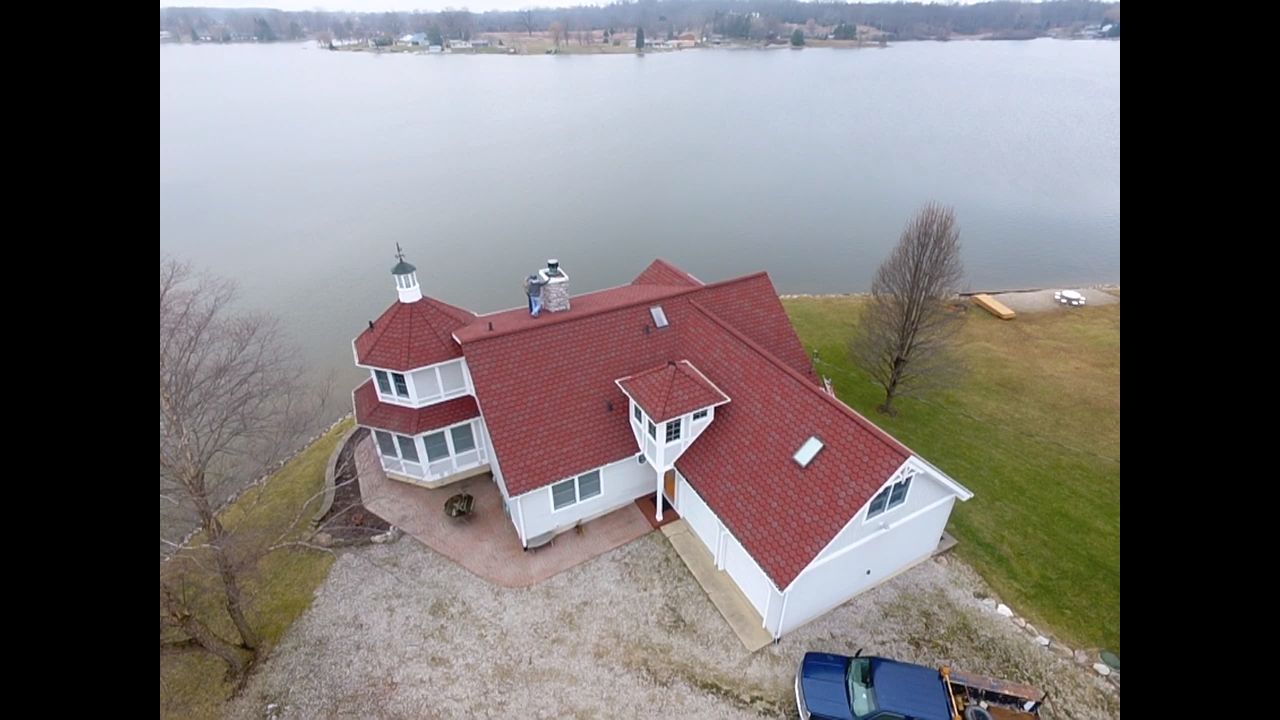


Metal Roof Versus Shingles for Your Home

A roof decision is rarely just about the material you see from the driveway. For homeowners weighing a metal roof versus shingles, the real question is which system will protect the property, suit the budget, and make sense for the years ahead. In southern Michigan, northern Indiana, and Northwest Ohio, that decision also has to account for lake-effect weather, heavy snow, wind, summer heat, and the occasional storm that changes priorities overnight.
Both metal and asphalt shingle roofs can be excellent choices when they are properly specified and installed. The better fit depends on your home, your long-term plans, the roof's design, and how much you value lower upfront cost versus a longer service life.
Metal Roof Versus Shingles: Start With the Long View
Asphalt shingles remain the most common residential roofing material for good reason. They offer familiar curb appeal, a broad range of colors and styles, and a lower initial investment. For a homeowner preparing to sell in a few years, replacing a worn roof after storm damage, or working within a defined budget, a quality shingle system can be a practical and attractive answer.
Metal roofing costs more at the beginning, but it is built for a different timeline. A properly installed metal roof can last several decades longer than typical asphalt shingles. It resists rot, does not absorb moisture, and holds up well against many of the conditions that wear down traditional roofing over time.
That does not mean metal is automatically the right choice for every house. If the home may be sold soon, or if the roof has a complex design that makes metal installation substantially more involved, shingles may provide better immediate value. The goal is not to choose the most expensive material. It is to choose the system that fits the property and the owner's priorities.
Upfront Cost and Lifetime Value
The price difference is usually the first factor homeowners notice. Asphalt shingle roofing generally has a lower initial cost because the materials are less expensive and installation is more familiar across the industry. It remains an effective way to restore protection and improve appearance without making a major long-term capital investment.
Metal roofing requires a larger investment upfront. Panel fabrication, trim details, underlayment, flashing, and the labor required for a precise installation all contribute to the cost. Standing seam metal roofing, with its concealed fasteners and clean vertical lines, is often at the higher end of the metal roofing range.
The value calculation changes when you consider replacement cycles. A shingle roof may need replacement within roughly 20 to 30 years, depending on product quality, ventilation, weather exposure, and maintenance. Metal roofing can often serve a home for 40 to 70 years or more when installed correctly and cared for appropriately.
For a forever home, family property, farm, or lake house intended to stay in the family, that longer service life may justify the initial cost. For a rental property or a home you expect to sell in the near future, the lower cost of shingles can be the more sensible financial choice.
Weather Performance in the Midwest
Local weather deserves more attention than a brochure color chart. Our area sees freeze-thaw cycles, snow accumulation, high winds, driving rain, and hail. Every roofing system needs quality installation, proper attic ventilation, dependable flashing, and attention to drainage to perform well in those conditions.
Snow, Ice, and Water Management
Metal roofs shed snow more readily than shingles, which can reduce the weight that stays on the roof during a long winter. That can be helpful, but it also means snow guards may be needed above entry doors, walkways, decks, or areas where falling snow could create a hazard.
Shingles hold snow in place more naturally. That is not necessarily a problem, provided the roof structure, ventilation, and ice-and-water protection are appropriate. On either material, ice dam prevention begins with managing heat loss and airflow in the attic, not just with the surface roofing material.
Wind and Storm Resistance
A professionally installed metal system has excellent wind resistance, especially standing seam panels installed with engineered fastening patterns. Metal is also noncombustible, an advantage for properties where fire resistance is a concern.
Architectural shingles can also perform very well in wind when the correct product, starter strips, nailing method, and flashing details are used. The weak point after a storm is often not the field shingles or panels themselves. It may be a lifted ridge, damaged flashing, open pipe boot, or compromised seal at a transition. A thorough inspection matters more than assumptions about which material is indestructible.
Hail and Impact Considerations
Hail can mark or dent metal roofing, especially softer metal profiles, even when the roof remains structurally sound and watertight. Some homeowners appreciate the durability of metal but need to understand that a cosmetic dent is still possible.
Shingles can lose granules, crack, or sustain bruising from hail. The extent of damage is not always obvious from the ground. If a storm has moved through Hillsdale, Coldwater, Angola, or nearby communities, a professional inspection can help document the condition of the roof and identify whether an insurance claim may be appropriate.
Appearance, Style, and Roof Design
Shingles offer the widest range of traditional residential looks. They can complement colonial homes, ranches, cottages, and many styles of commercial buildings. Dimensional architectural shingles create more depth than basic three-tab products and are a popular choice for homeowners who want a substantial appearance without moving to metal.
Metal has expanded far beyond the old image of a plain barn roof. It is available in colors and profiles that work well with modern homes, rural properties, cottages, and upscale lake houses. Standing seam metal offers a crisp, tailored look that is especially appealing on homes with clean lines, covered porches, or prominent roof planes.
The roof shape matters. Simple gable roofs are generally well suited to either option. A roof with many valleys, dormers, skylights, chimneys, and changing pitches requires more detailed planning. Metal can still be an excellent choice, but the installer must be experienced with the flashing and trim work that keeps every transition weather-tight.
Maintenance and Repair Expectations
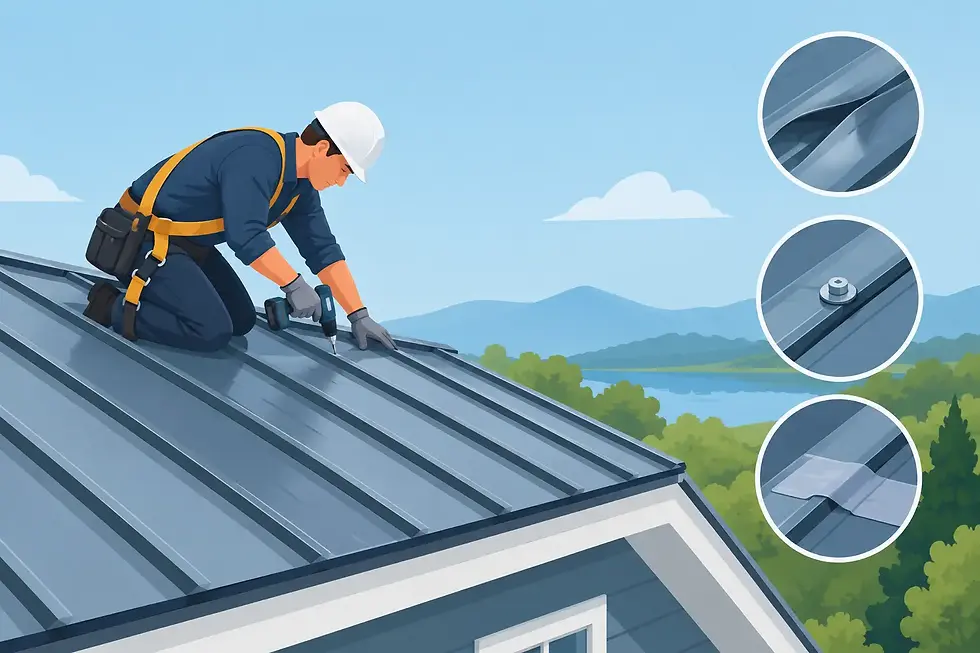
Neither roofing material is truly maintenance-free. Metal roofing typically needs less routine attention than shingles, but homeowners should still check for debris buildup, keep gutters clear, and have penetrations and flashings reviewed periodically. Fasteners, sealants, and trim details deserve inspection over time, particularly after severe weather.
Shingle roofs should be checked for missing or curling shingles, exposed nail heads, granule loss, algae staining, and damaged flashing. Small repairs handled early can prevent a leak from becoming a stained ceiling, damaged insulation, or a larger interior restoration project.
Repairs are often simpler and less costly on a shingle roof because individual damaged shingles can be replaced. Metal repairs are certainly possible, but matching older panels, colors, or profiles may require more planning. This is one reason to choose a roofing contractor who understands the full system, not simply the visible roof covering.
Energy Efficiency and Comfort
Metal roofing can reflect more solar heat than many dark shingle surfaces, which may help reduce attic heat gain during warm months. Light colors and reflective finishes generally offer the strongest benefit. That said, insulation and attic ventilation have a major effect on comfort and energy use regardless of roofing material.
A poorly ventilated attic under a metal roof will still trap heat. A properly insulated and ventilated attic below shingles can perform very well. When evaluating energy efficiency, look at the complete roof assembly rather than expecting one material alone to solve heating and cooling concerns.
How to Make the Right Choice
Start with the condition and design of your existing roof, then consider how long you expect to own the property. Think about your budget today, but also about whether you want to plan for another roof replacement later. Consider the home's architecture, tree coverage, exposure to wind, and whether snow shedding could affect entries, patios, or walkways.
For remote lake house owners, the decision may also come down to confidence. A durable roof is valuable, but clear planning, detailed scopes, photo updates, and a contractor who can address related siding, structural, or restoration concerns are just as important when you are not on-site.
A good roofing estimate should explain more than the material name and total price. It should identify the underlayment, flashing approach, ventilation needs, tear-off requirements, deck repairs if needed, and the workmanship behind the installation. Carbon Construction Company helps property owners look at those details before work begins, so the roofing choice supports the property rather than creating surprises later.
The right roof is the one that gives you confidence when the forecast turns and still makes sense for your home years from now.


Comments