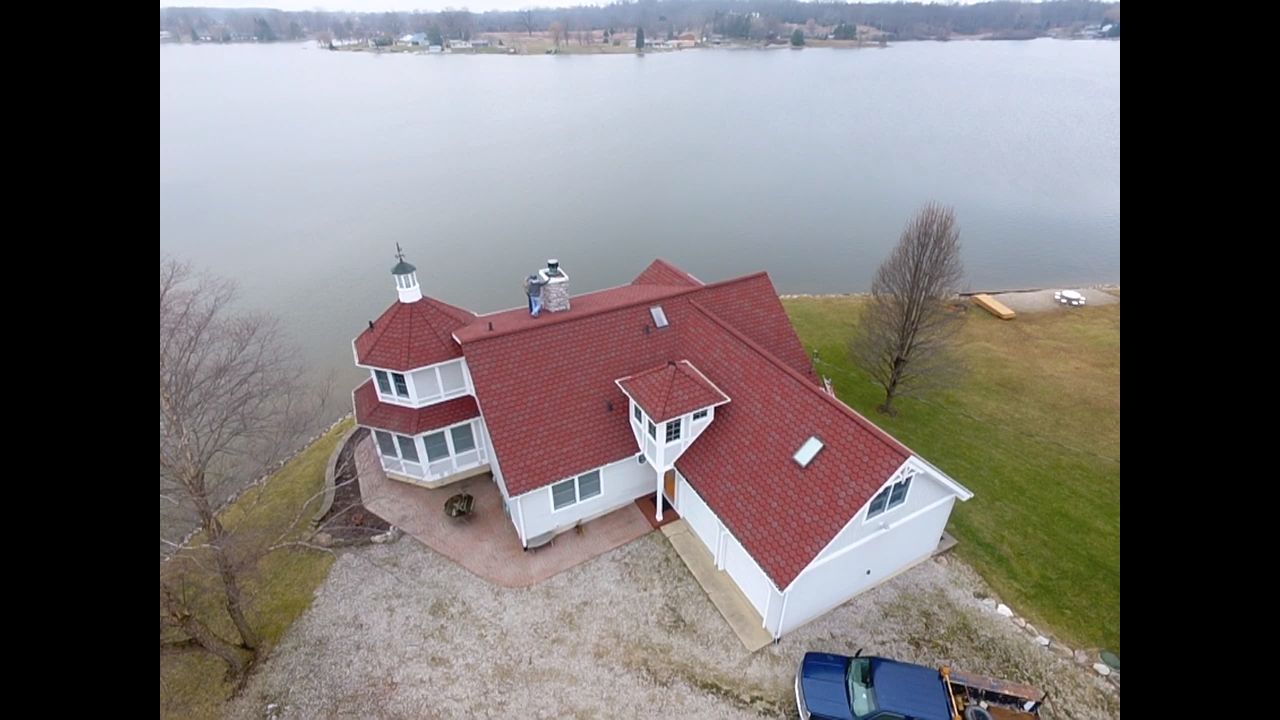


Residential Roofing Project Guide for Homeowners

A roof project usually starts the same way - a leak after a hard rain, shingles in the yard after a windstorm, or the quiet realization that your roof is simply at the end of its life. A good residential roofing project guide should make that moment less stressful. Homeowners do not need sales pressure or vague promises. They need a clear path, honest expectations, and a contractor who treats the roof as the protection system it is.
For homeowners in southern Michigan, northern Indiana, and nearby Northwest Ohio, that clarity matters even more. Weather can be rough on roofing systems, and many homes in the region deal with strong winds, ice, heavy rain, tree coverage, and aging materials. If you also own a lake house or vacation property, the challenge grows. You may not be on site to monitor every detail, so planning and communication become just as important as workmanship.
What a residential roofing project guide should cover
A roofing project is not just about putting on new shingles or metal panels. It includes inspection, budgeting, material selection, scheduling, property protection, cleanup, and warranty understanding. If storm damage is involved, insurance documentation may also become part of the process.
That is why the best approach is to think of roofing as a managed project, not a one-day transaction. Some roofs can be completed quickly with an experienced crew, but quick work only has value when the scope is correct, the installation is sound, and the details are handled properly.
Start with the real condition of the roof
Many homeowners ask the right question first: do I need a repair or a full replacement? The answer depends on age, damage pattern, and how the roof was installed in the first place. A few missing shingles on a newer roof may call for a targeted repair. Widespread granule loss, repeated leaks, soft decking, or multiple past patch jobs often point toward replacement.
An honest inspection should look beyond surface symptoms. Flashing around chimneys, valleys, vents, and wall intersections often causes trouble before the field of the roof does. Ventilation matters too. Poor attic airflow can shorten roof life, contribute to moisture issues, and create temperature-related problems that show up as roofing failure.
For older homes, there may also be hidden layers to consider. If decking needs replacement or structural issues appear once tear-off begins, the project can shift. That is not unusual. What matters is whether your contractor prepares you for that possibility and explains how those decisions will be handled.
Budgeting without guesswork
Roof pricing depends on more than square footage. Pitch, complexity, material type, tear-off requirements, underlayment, flashing details, ventilation upgrades, chimney work, and site access all affect cost. A simple ranch home is different from a steep multi-level roof with dormers, valleys, and attached structures.
Material choice is one of the biggest drivers. Asphalt shingles remain a practical and popular option because they balance appearance, performance, and affordability. Metal roofing costs more upfront, but many homeowners choose it for durability, lower maintenance, and a distinctive finished look. Standing seam metal roofing is especially appealing when long-term performance and clean lines matter.
The cheapest proposal is often cheap for a reason. Sometimes key items are missing from the scope. Sometimes labor is rushed, protection is minimal, or warranties are unclear. A better estimate should show what is included, what could change, and how the crew plans to protect your home, landscaping, and cleanup areas.
Choosing the right roofing material for your home
There is no single best roofing material for every property. The right fit depends on budget, architectural style, exposure to weather, and how long you plan to keep the home.
Asphalt shingles work well for many residential properties. They offer broad style options and can perform very well when installed correctly with quality ventilation and flashing. For homeowners who want a solid return without overcomplicating the project, shingles often make sense.
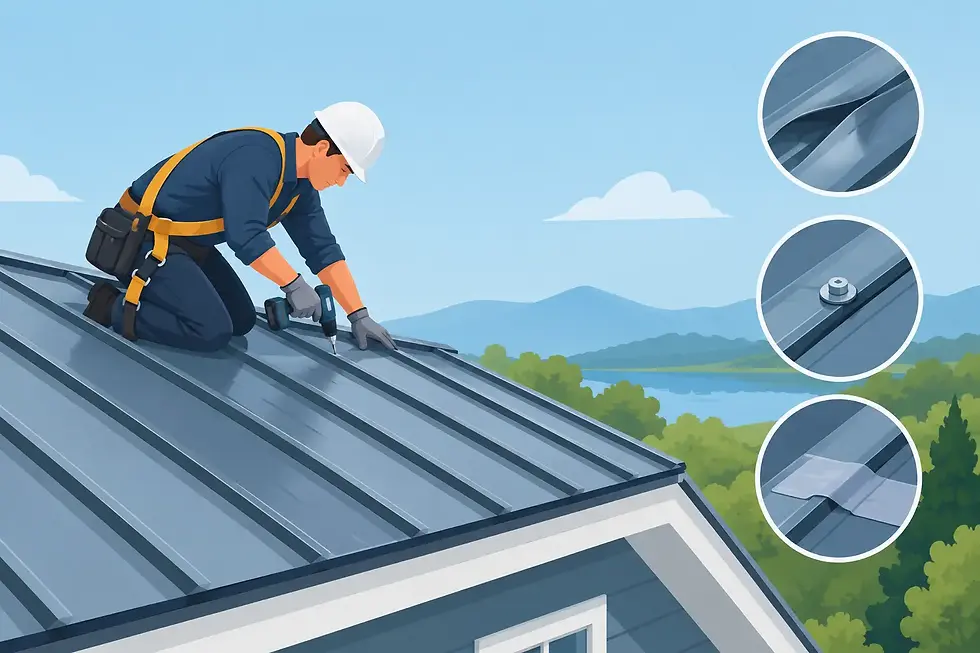
Metal roofing deserves a serious look if longevity is high on your list. It stands up well to harsh weather, sheds water efficiently, and can be a strong choice for homes with open exposure or owners who want a longer-term solution. Standing seam systems bring a more premium appearance and are often chosen for both primary residences and lake homes where appearance and durability carry equal weight.
It also depends on the house itself. A historic-looking home may suit one style better than another. A vacation property may benefit from a lower-maintenance option. A contractor with both roofing and broader construction experience can help you match the roof to the structure instead of forcing a one-size-fits-all recommendation.
Timing the project the right way
Most homeowners would rather replace a roof on their schedule than after an emergency. If your roof is nearing the end of its life, planning ahead gives you more control over materials, crew timing, and budget. Waiting until water enters the home can turn a roofing project into a roofing and restoration project.
That said, not every urgent roof problem can wait. Storm damage often creates immediate exposure, and temporary measures may be needed while permanent work is scheduled. In those moments, responsiveness matters. Fast turnaround is valuable, but the crew still needs to verify the scope, document damage if insurance is involved, and make sure the repair or replacement is done for the long haul.
Season also plays a role. Roofing can be completed in different weather windows, but temperature, moisture, and storm patterns affect scheduling. A dependable contractor will explain realistic timing instead of making promises that fall apart the first time the forecast changes.
If insurance is involved, paperwork matters
After hail or wind damage, homeowners often feel stuck between the insurance carrier and the contractor. That is where documentation becomes critical. Photos, measurements, written scope details, and a clear assessment of storm-related damage can help move the claim forward.
Insurance does not automatically mean everything will be covered, and not every roof issue qualifies as storm damage. Wear and age are different from sudden loss. Homeowners are best served when the contractor is straightforward about that distinction. Clear help with the process is valuable. Inflated promises are not.
A contractor experienced in restoration work can often make this stage less frustrating by helping you understand what the adjuster is reviewing, where damage tends to show up, and how scope differences are resolved.
Communication is part of the job
This is where many roofing projects go wrong. The installation itself may be decent, but the homeowner spends days wondering when the crew is coming, what happens next, or who to call when a question comes up.
Strong communication should begin before the first shingle is removed. You should know the scope, material plan, estimated start date, daily expectations, and how change orders or hidden conditions will be discussed. You should also know who is accountable.
For remote owners, this becomes even more important. A lake house owner may need photos, schedule updates, and a clear record of progress without being physically present. Detailed scopes and web-based communication can make a major difference in peace of mind.
How to choose a contractor with confidence
A roofing contractor is not just selling materials. They are taking responsibility for one of the most important protective systems on your property. That is why trust matters as much as price.
Look for experience that goes beyond basic installation. A company with real construction management background can often anticipate jobsite issues, coordinate details better, and handle related work if the roof project uncovers siding, framing, or water damage concerns. Family-operated companies often bring a stronger sense of accountability because their reputation is tied directly to the communities they serve.
Ask practical questions. Who will supervise the work? How will property protection be handled? What happens if damaged decking is found? How is cleanup managed? Is there help available if insurance is part of the project? Good answers tend to be specific, not polished.
In this region, local knowledge counts too. Weather patterns, building styles, storm exposure, and even the needs of seasonal properties vary from town to town. A contractor who understands Hillsdale, Coldwater, Angola, and surrounding communities is often better prepared to recommend what actually works here. That local, service-driven approach is a big reason homeowners turn to companies like Carbon Construction Company when they want both roofing expertise and broader project support.
What to expect on project day
Roof replacement is noisy, busy work. Crews will protect access points, remove old material, inspect the decking, install underlayment and flashing, and complete the roofing system according to the agreed scope. On some homes, the work can be completed in a single day. On more complex homes, it may take longer.
The most important thing is not speed by itself. It is organized execution. A well-run project should leave the property clean, the details finished properly, and the homeowner informed from start to finish.
A new roof is a major investment, but it should also bring relief. If your next step is asking questions, reviewing options, or confirming whether repair or replacement makes sense, that is time well spent. The right project starts with clear information and ends with the kind of confidence you still feel the next time the weather turns.


Comments