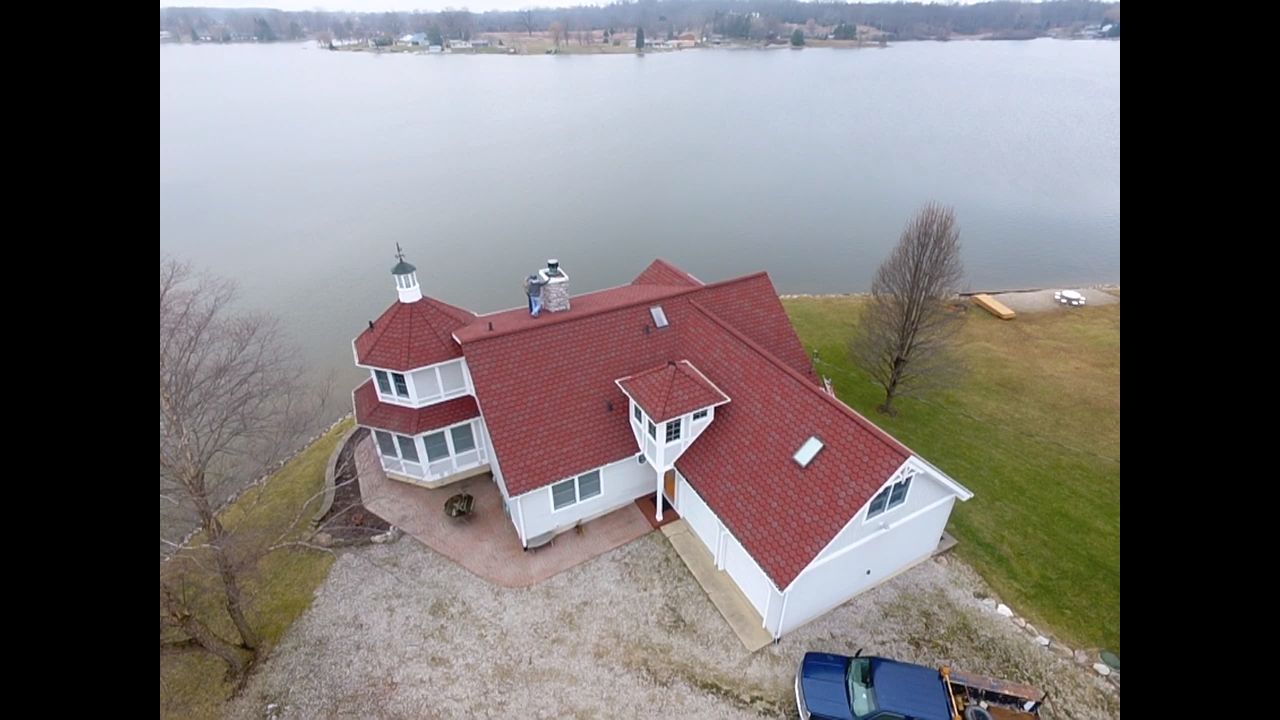


Roof Repair Versus Replacement

A roof leak rarely shows up at a convenient time. It starts as a water stain on the ceiling, a few shingles in the yard after a windstorm, or a call from a tenant saying something does not look right. That is usually when the real question begins: roof repair versus replacement. For most property owners, the right choice comes down to the roof’s age, the extent of the damage, and whether a short-term fix will truly protect the building.
That decision matters even more in southern Michigan, northern Indiana, and Northwest Ohio, where roofs take a beating from snow load, freeze-thaw cycles, summer heat, hail, and high winds. A roof can look serviceable from the ground and still have hidden issues around flashing, decking, ventilation, or underlayment. On the other hand, not every damaged roof needs to be torn off. A careful inspection often reveals whether a targeted repair will buy solid years of performance or whether replacement is the smarter investment.
How to think about roof repair versus replacement
The simplest way to frame it is this: repair makes sense when the problem is isolated and the rest of the roof system is still in good condition. Replacement makes sense when the damage is widespread, the roof is nearing the end of its service life, or repeated repairs are starting to cost more than they are worth.
That sounds straightforward, but real roofs are not always that simple. A missing section of shingles after a storm may look like a quick patch. If water has already worked under surrounding materials or the decking has softened, the scope changes. The same goes for older roofs that have had multiple repairs over the years. A repair may stop the immediate leak, but it may not solve the larger problem.
For homeowners, the goal is usually peace of mind and long-term value. For commercial property owners and managers, it is often about avoiding interior disruption, protecting tenants, and making a financially sound decision. For vacation home owners, especially lake property owners who are not always on-site, the right answer also depends on how much confidence you need when you are miles away.
When a roof repair is the right call
Roof repair is often the best option when damage is limited to one area and the rest of the system still has useful life left. That might include a handful of wind-damaged shingles, a minor flashing failure around a chimney or vent, or a small leak caused by an isolated problem rather than full-roof wear.
A newer roof is usually a strong candidate for repair. If the roof is well under its expected lifespan and was installed properly, a targeted repair can restore protection without the cost of a full replacement. This is especially true after storm damage, where the issue may be specific to one slope or one section of the roof.
Repairs also make sense when the materials can still be matched reasonably well. With asphalt shingles, that is not always guaranteed, especially on older roofs where color fade and discontinued products can make patches more noticeable. Functionally, the repair may still work well, but appearance matters too. On a visible front slope, some property owners decide that an obvious patch is not worth it.
There is also a timing factor. If a leak needs to be stopped quickly and the roof still has good structure and service life, repair can be the practical move. The key is making sure the repair is not just covering symptoms while deeper issues continue underneath.
Signs a repair may be enough
If the roof is relatively young, the decking is sound, and damage is limited to a small section, repair is often appropriate. The same is true when leaks are tied to a specific flashing point, a pipe boot, or a localized storm impact rather than broad material failure.
An honest inspection should also look at ventilation, attic moisture, and surrounding components. Sometimes what appears to be a roofing failure is partly caused by heat buildup or condensation. If the root cause is identified and corrected, a repair can hold up well.
When roof replacement makes more sense
Replacement becomes the better choice when problems are no longer isolated. If shingles are curling, cracking, losing granules across large areas, or failing in multiple places, the roof is telling you the system is wearing out. At that point, another repair may only postpone a larger expense.
Age is one of the biggest factors. Asphalt shingle roofs can perform well for many years, but they do not last forever, especially in a climate with wide seasonal swings. Metal roofing often has a longer lifespan, but even metal systems can require replacement if installation details were poor or if aging components around the system are failing.
Replacement is also worth serious consideration after significant storm damage. If wind has lifted materials across multiple sections, hail has compromised the roof surface, or water intrusion has reached the decking or interior, a full replacement may provide a cleaner and more dependable result than trying to patch scattered damage.
Then there is the cost pattern. If you are paying for repeated service calls, patching one area this season and another next season, the total can add up quickly. In many cases, replacement offers better value because it resets the life of the system, improves appearance, and reduces the chance of ongoing surprise expenses.
Signs replacement is likely the better investment
A roof that leaks in more than one area, shows visible aging across the field, or has soft spots beneath the surface is often beyond simple repair. The same goes for roofs with a history of multiple patches, underlying wood damage, or poor installation from the start.
Property owners planning to stay long term often lean toward replacement because it removes uncertainty. If you own a rental, a commercial building, or a second home, that reliability can matter even more than the upfront savings of a repair.
Cost matters, but so does value
It is natural to compare the immediate cost of repair against the higher price of replacement. Repair is cheaper at the moment, and sometimes that is the right move. But the lowest invoice is not always the best value.
A repair that extends the roof’s life by five to ten years can be money well spent. A repair that buys six months before another leak shows up is a different story. The question is not only what this fix costs today, but what it prevents or delays.
Replacement has a bigger upfront cost, but it can improve energy performance, curb appeal, insurability, and resale value. It also gives you a chance to address the full system, including underlayment, ventilation, flashing, and any damaged decking. That complete approach can be especially important after wind or water damage.
If insurance is involved, the conversation changes again. Storm-related damage may qualify for coverage, while age-related wear usually does not. That is one reason documentation and a detailed inspection matter so much. A contractor who understands both roofing and restoration can help property owners sort out what is damaged, what is worn out, and what steps make sense next.
The material on your roof affects the answer
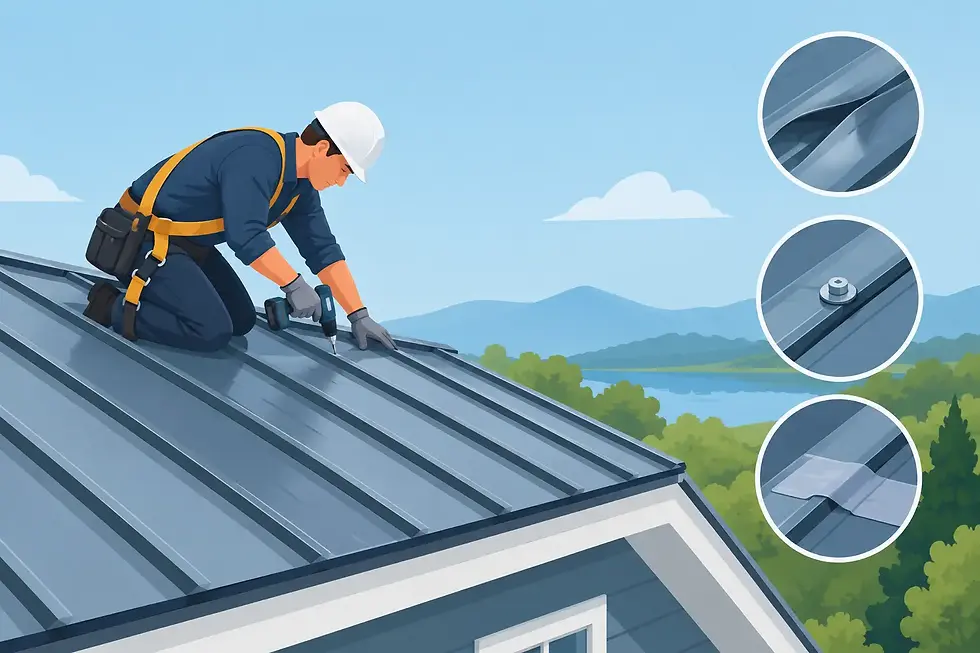
Not every roofing system should be judged the same way. Asphalt shingle roofs are often easier to repair in small sections, although matching can become an issue over time. Metal roofing, including standing seam systems, can offer excellent longevity, but the right repair depends on panel condition, fasteners, seam integrity, and flashing details.
A newer metal roof with an isolated issue may be a very good repair candidate. An older roof with recurring fastener problems, widespread corrosion, or failed details around penetrations may point toward replacement or more extensive restoration work. Commercial roofs can add another layer of complexity depending on membrane type, drainage conditions, and roof traffic.
That is why a blanket rule does not work. The right recommendation should reflect the material, the age, the building use, and the actual cause of the problem.
What a good inspection should tell you
A proper roof inspection should do more than confirm that a leak exists. It should identify where water is getting in, whether the visible problem matches the actual source, and how much of the system is affected. It should also look at the condition of flashing, ventilation, decking, gutters, and attic spaces when accessible.
For remote owners, clear communication is just as important as the inspection itself. Photos, a written scope, and a straightforward explanation of options can make a major difference when you are managing a lake house or second property from a distance. That kind of accountability helps you make a confident decision instead of guessing based on a single stain on the ceiling.
At Carbon Construction Company, that practical approach matters because many property owners are not just looking for a roofer. They are looking for a trusted local team that can assess damage honestly, move quickly when needed, and handle larger construction issues if the problem extends beyond the roof.
The best choice is the one that solves the real problem
If your roof has isolated damage and solid years left in it, repair may be the smart, cost-effective move. If the roof is aging, leaking in multiple areas, or showing widespread wear, replacement is often the safer investment. The answer is not about choosing the cheaper option or the bigger project. It is about choosing the option that protects your property, fits your timeline, and gives you confidence the next time the weather turns.


Comments