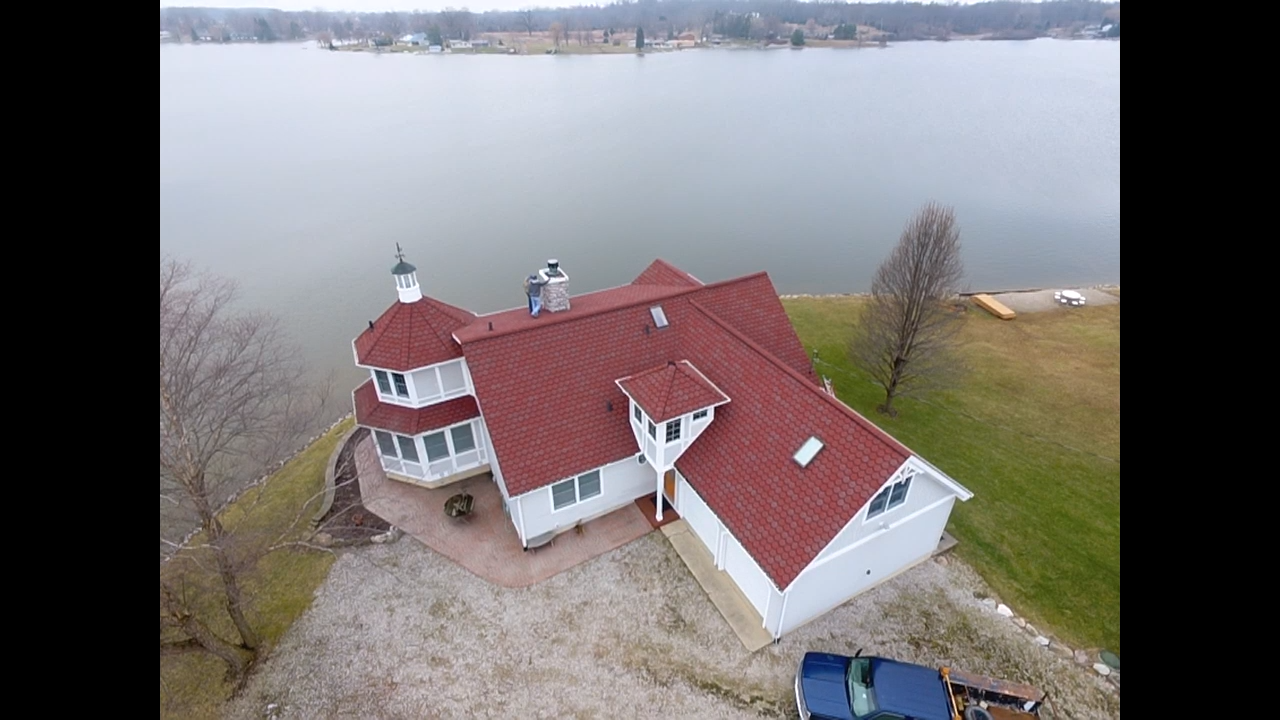

When Roof Replacement Is the Right Call for You

A roof rarely fails at a convenient time. A few missing shingles after a Hillsdale windstorm can become a ceiling stain months later, and a small leak at a lake house may go unnoticed until a weekend visit reveals a much larger problem. Roof replacement is a major decision, but waiting too long can turn a planned investment into an emergency repair involving insulation, framing, drywall, or personal belongings.
The right choice depends on the roof's age, the extent of damage, the material already in place, and how well the entire system is performing. Homeowners and property managers do not need to be roofing experts. They do need clear information, an honest inspection, and a contractor who can explain the options without pressuring them into work they do not need.
When Roof Replacement Makes More Sense Than Repair
A repair is often the responsible answer when damage is isolated. One damaged plumbing boot, a small flashing issue around a chimney, or a limited area of wind-lifted shingles may be corrected without replacing the entire roof. A sound roof with many years of useful life should not be replaced simply because it needs routine maintenance.
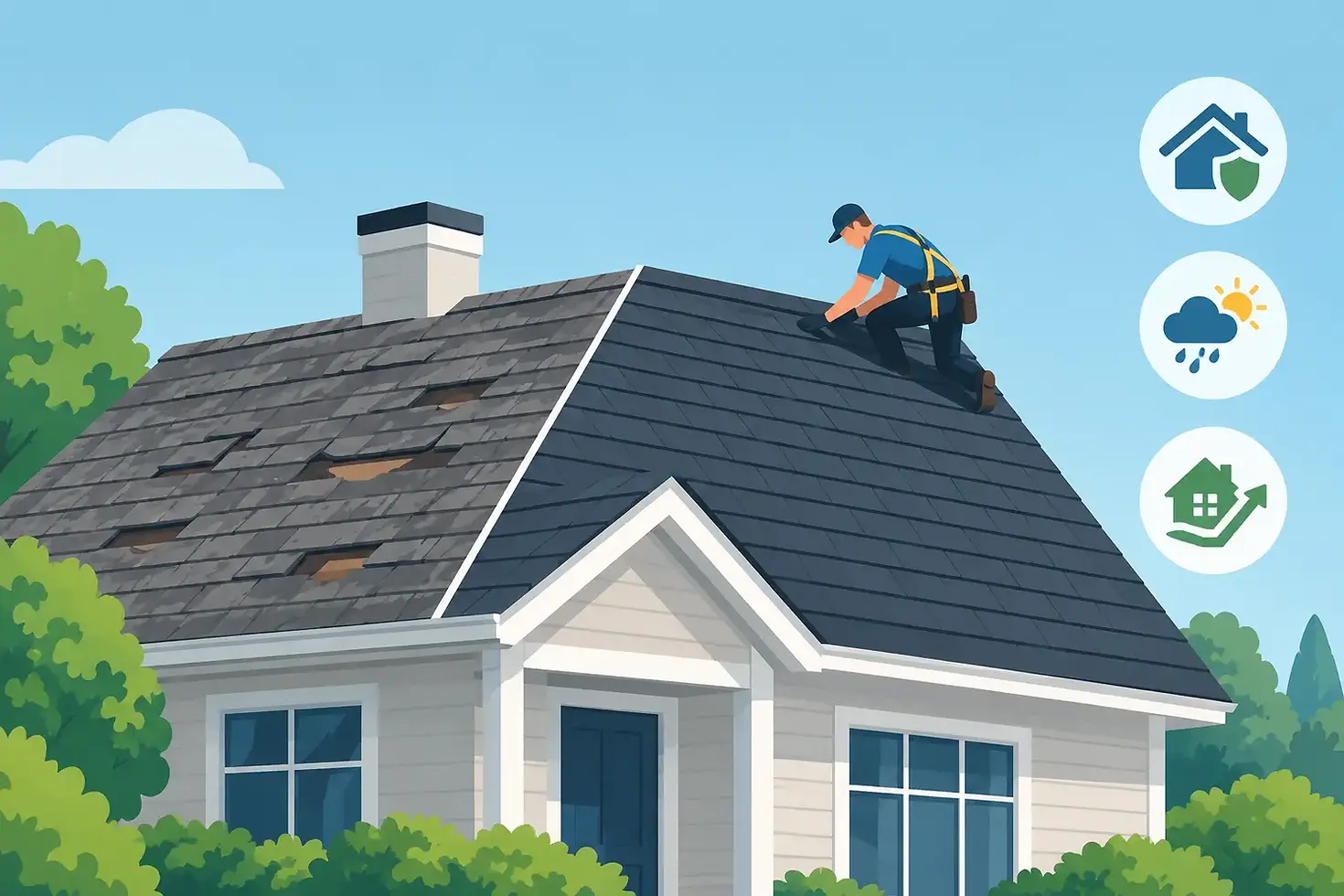
Replacement becomes the better long-term value when repairs are becoming frequent, leaks appear in more than one location, or the roof has reached the later stage of its expected service life. Asphalt shingles commonly show their age through curling edges, cracking, widespread granule loss, and bare-looking areas. On metal roofs, loose fasteners, deteriorated sealants, corrosion, or problems at penetrations can allow water in even when the panels themselves still look serviceable.
Storm damage also changes the calculation. Wind can break shingle seals or remove shingles entirely. Hail may bruise the shingle mat beneath the granules. Heavy snow, ice dams, and repeated freeze-thaw cycles can expose weaknesses around valleys, eaves, skylights, and wall transitions. If damage is widespread, patching scattered areas can leave a roof uneven in appearance and harder to maintain.
An inspection should look beyond the visible surface. The condition of decking, ventilation, flashing, underlayment, gutters, and attic moisture all matter. A new covering installed over unresolved ventilation or flashing problems may not deliver the protection a property owner expects.
Signs Your Roof Should Be Inspected Soon
A roof does not have to be actively leaking to deserve attention. Water can travel along decking or framing before it appears inside, which makes the visible ceiling stain the last sign rather than the first one. Schedule an inspection if you notice shingles in the yard, granules collecting in gutters, rusted flashing, sagging rooflines, stained sheathing in the attic, or recurring ice buildup along the eaves.
Age is another practical trigger. If an asphalt roof is approaching the end of its expected lifespan, an inspection can help you plan ahead rather than make decisions during the next severe storm. For owners of vacation homes around Coldwater and Angola, a seasonal inspection is particularly valuable. A roof problem at an unoccupied property has more time to grow before someone sees it.
Commercial property owners should also pay close attention to drainage. Ponding water, clogged drains, damaged edge metal, and failing seams can affect the roof system and interrupt business operations. Early evaluation gives owners time to budget and schedule work around tenants, customers, or seasonal demand.
Choosing the Right Material for a Roof Replacement
Material selection should fit the home, the budget, and the owner's plans for the property. The lowest initial price is not always the lowest cost over time, especially when future repairs, energy performance, maintenance, and resale are considered.
Asphalt shingles
Asphalt shingles remain a popular choice because they offer dependable weather protection, a broad range of colors, and a practical price point. Architectural shingles provide more dimension and durability than basic three-tab shingles and work well for many homes throughout southern Michigan, northern Indiana, and Northwest Ohio.
The trade-off is lifespan. Even a quality shingle roof will eventually weather under sun, wind, snow, and temperature changes. For homeowners who expect to sell within several years or want a proven, economical roofing option, shingles can be an excellent fit.
Metal and standing seam roofing
Metal roofing offers long service life, strong wind resistance, and a clean appearance that works on farmhouses, lake homes, residential properties, and certain commercial buildings. Standing seam metal roofing takes that performance further by using concealed fasteners and raised seams, reducing exposed points where water can enter.
The upfront investment is generally higher than asphalt shingles, but metal can be a wise choice for owners planning to keep a property for the long term. It is especially worth discussing when a roof has a low slope, difficult valley layout, heavy snow exposure, or a design where long-term maintenance matters. Proper installation is essential. Details around chimneys, skylights, transitions, and penetrations determine how the system performs just as much as the panels themselves.
What a Well-Managed Project Looks Like
Good roof replacement work begins before the first old shingle is removed. A detailed scope should identify the roofing material, underlayment, flashing work, ventilation plan, decking allowances, cleanup expectations, and any related repairs. Property owners should understand what is included and what could change if concealed damage is found after tear-off.
Once work begins, protection of the property matters. Crews should take care around landscaping, siding, windows, decks, and driveways while keeping the jobsite organized. For most straightforward homes, dedicated crews can complete a roof quickly, sometimes in one day, but speed should never mean skipping the careful work at valleys, edges, vents, and wall connections.
Communication matters just as much for remote owners. A lake house owner may not be present to see the condition of the decking or approve a necessary repair in person. Photos, clear updates, documented change discussions, and an agreed-upon scope help keep the project moving while giving the owner confidence in the work being done.
Insurance Claims and Storm Damage
After a storm, take photos from the ground if it is safe to do so, protect the interior from active water intrusion, and request a professional assessment. Avoid climbing onto a damaged roof or making assumptions based only on what can be seen from the yard. Some damage is visible immediately, while other issues require a closer inspection.
Insurance may cover qualifying storm damage, but coverage depends on the policy, the cause of loss, the deductible, and the insurer's findings. A contractor can help document damage, explain the repair scope, and communicate clearly about the work, but the insurance company makes coverage decisions. Be cautious of anyone promising a particular claim outcome before the facts are reviewed.
Questions to Ask Before You Hire a Roofing Contractor
The best contractor is not necessarily the one who promises the fastest start date or the lowest number on paper. Ask who will perform the work, how the roof will be ventilated and flashed, what happens if damaged decking is discovered, and how the jobsite will be cleaned. Request a written scope and make sure the proposed materials are clearly identified.
Local experience has real value after the installation is complete. A family-owned contractor with established roots in the community has a reputation to protect and is easier to reach if a question arises later. Carbon Construction Company brings roofing knowledge together with broader construction experience, which is useful when a roofing project reveals related needs involving siding, framing, porches, additions, or storm restoration.
A careful inspection now can give you time to choose the material, budget, and schedule that serve your property best. Whether the answer is a targeted repair or a full replacement, the goal is the same: a roof you can rely on when the weather turns.


Comments