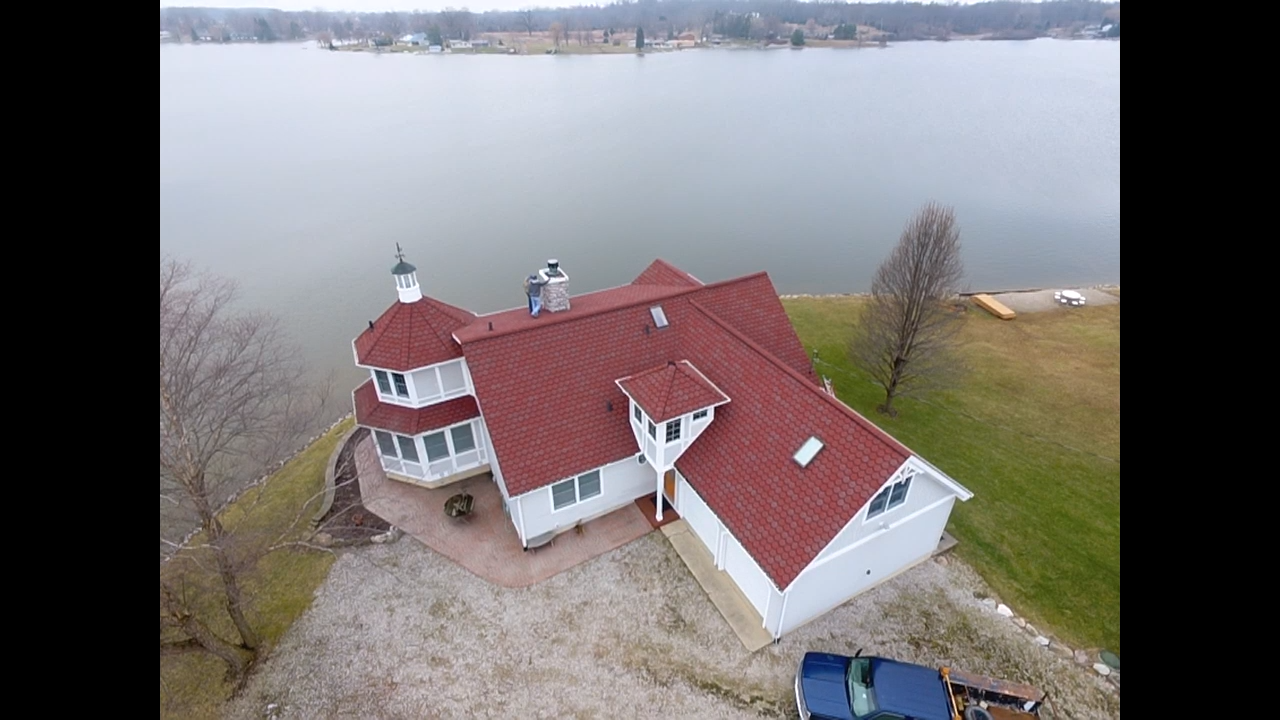


Lake House Roof Maintenance for Every Season

A lake house roof does more than keep the rain out. It protects the place where family gathers, where weekends are planned, and where costly damage can go unnoticed when no one is there. Lake house roof maintenance deserves a more watchful approach than a typical in-town home, especially around Hillsdale, Coldwater, Angola, and Northwest Ohio, where wind, heavy rain, lake-effect weather, snow, and falling branches can all take a toll.
The best time to deal with a roof problem is before water reaches the ceiling, insulation, or framing. A consistent inspection routine helps owners address small repairs while they are still manageable and plan ahead for a roof replacement when the time is right.
Why Lake Homes Need Extra Roof Attention
Water is the central concern at any lake property. Homes near the shore often face stronger wind gusts across open water, which can lift aging shingles, loosen ridge caps, and drive rain beneath vulnerable flashing. Trees that make a lake lot beautiful can also drop leaves, needles, acorns, and branches onto the roof and into the gutters.
Seasonal occupancy adds another layer of risk. If the property sits empty for weeks, a loose shingle or backed-up gutter may not be discovered until a slow leak has caused staining, mold, or damaged drywall. A roof can look acceptable from the driveway while water is working its way in around a chimney, skylight, vent pipe, or valley.
That does not mean every lake home needs a new roof sooner than a comparable home elsewhere. Roof life depends on material, installation quality, ventilation, tree coverage, weather exposure, and previous repairs. It does mean lake house owners should be deliberate about inspections and maintenance rather than waiting for an obvious leak.
A Seasonal Lake House Roof Maintenance Plan
A simple seasonal routine gives you a reliable record of the roof's condition and makes it easier to spot changes. Take photos from the ground during each visit. Comparing those photos over time can reveal missing shingles, sagging gutters, moss growth, or damage after a storm.
Spring: Look for Winter Damage
Once snow and ice are gone, walk around the home and check the roof from the ground. Look for lifted or missing shingles, bent flashing, granules collecting near downspouts, and gutters that have pulled away from the fascia. Examine the attic, if it is safely accessible, for damp insulation, water marks on framing, or daylight near penetrations.
Spring is also a good time to clear branches and debris from valleys and gutters. Water needs a clear path off the roof. When leaves or pine needles hold moisture in a valley, they can speed up wear and force water under shingles during a hard rain.
If ice dams formed over the winter, do not assume the roof is fine simply because the ice has melted. Ice dams can damage shingles and flashing, but they also point to an attic ventilation or insulation issue. The right solution may involve improving airflow and air sealing, not just patching the visible area.
Summer: Watch Trees, Heat, and Storms
Summer storms can bring fast, damaging wind. After a major storm, look for shingles on the ground, exposed nail heads, dented metal components, damaged vents, or branches resting on the roof. Do not climb onto a steep, wet, or questionable roof to investigate. A qualified roofing professional can safely determine whether a repair is needed and document damage if an insurance claim becomes necessary.
Tree trimming matters at lake homes. Limbs should not scrape across shingles in the wind or hang over the roof where they could break during a storm. Keep in mind that removing every nearby tree is not always the answer. Shade can be welcome in summer, but branches need enough clearance to protect the roof and make routine cleaning possible.
Heat also exposes weak attic ventilation. A hot, stale attic can shorten shingle life and make upper rooms harder to cool. On metal roofs, proper underlayment, ventilation, fasteners, and flashing are equally important because the roof system must manage expansion, condensation, and wind-driven rain.
Fall: Prepare for Snow and Freeze-Thaw Cycles
Fall is often the most valuable time for preventive roof work. Clean gutters and downspouts after the majority of leaves have fallen, and make sure downspouts discharge away from the foundation. Check that gutter guards, if installed, are not trapping fine debris or creating overflow at the roof edge.
This is also the season to inspect caulked areas, pipe boots, chimney flashing, and roof-to-wall transitions. These details are small compared with the total roof area, but they are common leak locations. A roof may have years of service left while still needing a targeted flashing or ventilation repair before winter.
For homes that will be vacant during the coldest months, make arrangements for periodic property checks. A trusted local contact can look for storm damage, fallen limbs, ice buildup, or interior signs of a leak before the problem grows.
Winter: Monitor Safely From the Ground
Winter roof maintenance is mostly about observation and timely response. Watch for unusually heavy snow loads, large icicles, ice dams, or water stains inside the home. Avoid chopping ice from shingles or using sharp tools that can damage the roof covering. Do not climb a snow-covered roof.
A professional can advise whether snow removal is warranted based on roof design, snow depth, structural condition, and the type of snow involved. Not every snow-covered roof needs intervention. The concern is persistent, heavy accumulation, uneven loading, visible sagging, or ice that is forcing meltwater back under the roofing.
Know What Your Roof Is Telling You
Some roof concerns are easy to see. Curled, cracked, or missing shingles often signal age or wind damage. Rusted fasteners, loose trim, or separated seams can indicate that a metal roof needs attention. Moss and algae may be cosmetic at first, but thick growth holds moisture and should be evaluated rather than aggressively pressure-washed.
Other warning signs appear indoors. A musty attic smell, peeling paint near exterior walls, damp insulation, or a brown ceiling stain should be investigated promptly. The visible stain is not always directly below the source of the leak. Water can travel along framing before it appears inside.
Age matters, but it should not be the only factor in a replacement decision. An asphalt shingle roof near the end of its expected service life may be a candidate for replacement even without an active leak, especially if repairs are becoming frequent. A properly installed standing seam metal roof can be an excellent long-term choice for a lake property, but it is a larger upfront investment. The right material depends on budget, architecture, expected ownership, surrounding trees, and the level of maintenance the owner is prepared to manage.
Remote Owners Need Clear Communication
For owners who live elsewhere, roof care depends on reliable eyes on the property. Ask for dated photos, a written scope when repairs are recommended, and straightforward explanations of what is urgent versus what can be planned. That clarity matters when you cannot stand in the yard and see the condition yourself.
Carbon Construction Company works with lake house and vacation property owners who need detailed planning and consistent project updates from a distance. Whether the need is a small repair, storm assessment, or full replacement, a clear scope helps prevent surprises and gives owners confidence in the work being performed.
Keep records of inspections, repairs, warranties, storm dates, and photos. This documentation is useful for future maintenance decisions, resale, and insurance conversations. It also helps a roofing contractor understand what has already been done and whether a recurring problem has a larger cause.
When to Call a Roofing Professional
Call promptly if you see active leaking, missing shingles, damaged flashing, fallen limbs, sagging roof areas, or interior water stains. It is also wise to schedule an inspection after a significant windstorm or hail event, even when the roof looks normal from the ground.
For most lake homes, a professional roof inspection once a year is a practical baseline, with an additional check after severe weather. The inspection should consider the entire system: roofing material, flashing, valleys, vents, gutters, attic ventilation, and any areas where the roof meets siding, chimneys, or additions.
A well-maintained roof lets you spend your time at the lake enjoying the property instead of worrying about what the next storm may reveal. A few timely checks each year can protect the home, preserve its value, and keep a small issue from becoming the project no one planned for.



Comments