
Steel Siding Versus Vinyl Siding for Your Home

A siding decision can feel very different after a southern Michigan windstorm, a hard Indiana freeze, or a week of summer heat. When homeowners compare steel siding versus vinyl siding, they are usually asking a practical question: Which material will protect the property, look right, and remain worth the investment over time?
Both materials can be good choices when they are properly selected and installed. The better fit depends on the building, the budget, the exposure to weather, and how long you plan to own the home or commercial property. For a lake house or a rental property you cannot visit every week, maintenance needs and long-term dependability may matter even more than the initial price.
Steel Siding Versus Vinyl Siding: The Main Difference
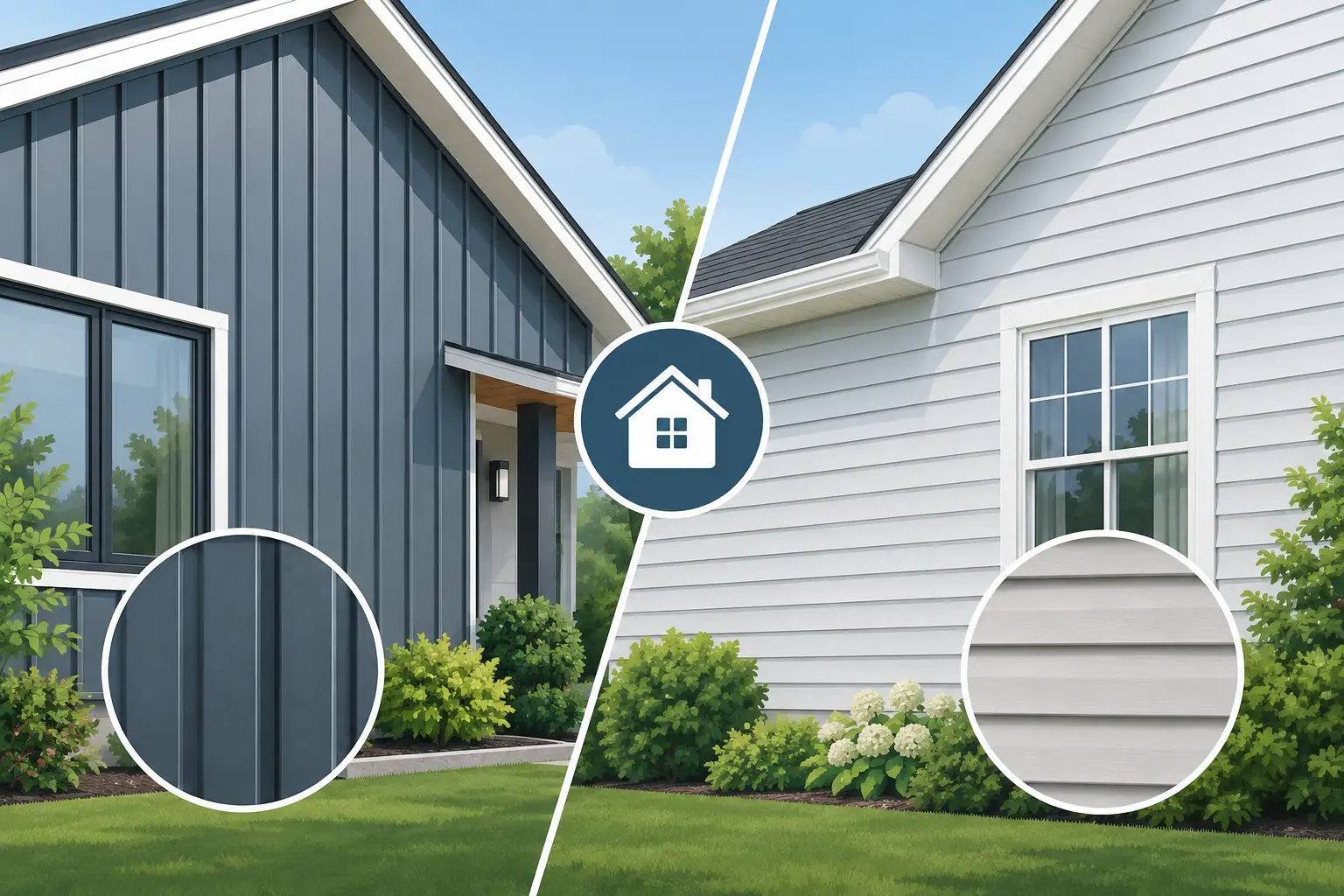
Steel siding is a metal exterior product, commonly formed into horizontal panels, vertical panels, or board-and-batten-style profiles. Quality steel siding is protected with a factory-applied coating and paint finish designed to resist corrosion, fading, and weather exposure. It has a firmer feel than vinyl and is often chosen by property owners who want a durable, substantial exterior.
Vinyl siding is a PVC-based product installed in overlapping panels. It is widely used because it is available in many colors and styles, requires little routine upkeep, and generally costs less than steel. Vinyl has come a long way in appearance, particularly in thicker insulated products and styles designed to mimic traditional lap siding.
The difference is not simply metal versus plastic. It is a choice between two systems with different strengths, installation requirements, and responses to Midwest weather.
Durability in Wind, Hail, and Temperature Changes
Steel siding has a clear advantage in overall impact resistance. It will not become brittle during cold weather, and it is less likely to crack from a flying branch or hail strike. Steel can dent under a sharp impact, but a dent is often a cosmetic issue rather than a break in the material. Properly fastened steel panels also perform well in high winds.
That makes steel a strong consideration for exposed rural homes, lake properties, outbuildings, and buildings that regularly see wind-driven rain. It is also noncombustible, which may matter for property owners thinking about fire exposure or insurance considerations.
Vinyl siding holds up well under normal weather conditions, but it expands and contracts as temperatures change. That movement is expected and must be accounted for during installation. In extreme cold, vinyl can be more vulnerable to cracking if it is hit. In high heat, especially near reflected sunlight from certain windows or roofs, it can warp or distort.
A well-installed vinyl system can serve a home for many years. Still, owners should be realistic about the environment. A heavily shaded neighborhood home with limited impact risk may be an excellent vinyl candidate. A house on an open lot, near a lake, or in a location that takes frequent storms may justify the added resilience of steel.
Appearance and Curb Appeal
Vinyl offers a broad range of colors, profiles, and trim options. It can complement traditional ranch homes, colonials, farmhouses, and many newer builds. Because the material is common, repairs and matching components are often straightforward, although older faded siding can be difficult to match exactly.
Steel siding has a more tailored, architectural appearance. Vertical steel panels can give a home, garage, or commercial building a clean modern look, while horizontal steel profiles can suit more traditional designs. It pairs especially well with metal roofing, stone accents, timber details, and darker exterior color palettes.
The right look depends on the building. A homeowner restoring a classic property may prefer the softer visual texture of a quality vinyl profile. Someone updating a lake house, pole barn, detached garage, or contemporary home may prefer steel's crisp lines and more substantial finish.
Color deserves a practical conversation, not just a style conversation. Dark colors can create a dramatic exterior, but they show dust, pollen, and water spotting more readily. They may also absorb more heat. Your siding contractor should help you evaluate samples outside, next to the roof, windows, masonry, and surrounding landscape rather than making a decision from a small indoor swatch.
Upfront Cost and Long-Term Value
Vinyl siding usually has the lower upfront cost. Material pricing, labor, wall preparation, trim work, and removal of existing siding all affect the final estimate, but vinyl often provides a budget-friendly path to a fresh exterior.
Steel siding generally costs more initially. The added expense reflects the material itself as well as the care needed to plan details around windows, doors, corners, soffits, and transitions. If the project includes structural repairs, new insulation, house wrap, or exterior trim replacement, those items may have a greater effect on the total project cost than the siding material alone.
The lower initial price is not always the lower lifetime cost. Steel may make sense for owners who expect to keep a property for decades, want stronger storm resistance, or prefer fewer concerns about cracking and breakage. Vinyl may be the wiser choice when a project needs to stay within a defined budget and the building has moderate weather exposure.
For resale, both can improve curb appeal when installed correctly. Buyers tend to notice condition and craftsmanship before they notice a specific siding material. Straight courses, clean trim lines, properly flashed openings, and repaired substrate matter on every exterior project.
Maintenance Expectations
Neither steel nor vinyl requires painting as part of normal care. Both benefit from an occasional gentle wash to remove dirt, mildew, and pollen. Avoid aggressive pressure washing, especially around seams, trim, and window openings, where water can be forced behind the siding.
Steel siding should be checked periodically for scratches, exposed edges, or damaged fasteners. Small scratches should be addressed according to the manufacturer's recommendations so moisture does not reach bare metal. Quality coated steel is designed to resist rust, but the coating system and installation details are essential.
Vinyl should be inspected for cracked panels, loose sections, heat damage, and gaps around trim. Because vinyl moves with temperature changes, it should never be installed too tightly. A panel that cannot move naturally may buckle, while one that is not properly secured can rattle or lift in wind.
For vacation home owners, both products can be manageable from a distance. Steel can be especially appealing when the property is exposed and unoccupied for periods of time. Vinyl can work well, too, provided the installation is sound and someone can report storm damage promptly.
Installation Is Where the Decision Becomes Real
Siding is only as dependable as the wall system behind it. Before new siding goes on, a professional contractor should inspect for damaged sheathing, rot, failed flashing, pest damage, and moisture issues. Covering a problem does not solve it. It often makes the eventual repair more expensive.
Steel requires careful cuts, proper fasteners, and attention to penetrations so the finish is not compromised. Vinyl requires correct fastening, clearance for expansion, and proper flashing to manage water. Neither material should be treated as a simple cosmetic cover-up.
This is particularly important when siding work is combined with roofing, window replacement, deck work, or storm restoration. These projects meet at vulnerable points around roof-to-wall transitions, kickout flashing, doors, and exterior trim. A contractor with experience across the whole exterior can coordinate those details instead of treating each trade as a separate problem.
Carbon Construction Company helps property owners evaluate siding as part of the complete building envelope, including roofing, trim, drainage, and needed repairs. That broader view helps prevent a good-looking project from hiding a future water issue.
Which Siding Is Right for Your Property?
Choose steel siding when impact resistance, wind performance, a metal-forward appearance, and long-term durability are priorities. It is often a sensible investment for exposed homes, lake properties, garages, agricultural-style buildings, and owners who want an exterior that feels solid and low-maintenance.
Choose vinyl siding when initial cost, broad style selection, and dependable everyday performance are the main goals. It remains a practical option for many homes, particularly where storm exposure is moderate and a well-planned exterior update is needed without stretching the project budget.
Before choosing a color or profile, ask for a clear scope that identifies repairs, water-management details, trim work, material specifications, and cleanup expectations. The best siding choice is the one that fits the property and is installed with the same care you expect from the roof over it.


Comments