

Can Insurance Cover Roof Leaks After a Storm?

A roof leak often starts with a small brown ceiling stain, a damp spot near the chimney, or water found in the attic after a hard Michigan or Indiana storm. The question is immediate: can insurance cover roof leaks? Sometimes, yes. But coverage usually depends far more on what caused the leak than on the leak itself.
Most homeowners insurance policies are designed to cover sudden, accidental damage from a covered event. They generally are not designed to pay for a roof that has simply reached the end of its service life. Knowing the difference can help you act quickly, protect your property, and avoid surprises when you speak with your insurance carrier.
When can insurance cover roof leaks?
A roof leak may be covered when it results from a sudden event your policy lists as a covered peril. Wind that tears off shingles, hail that damages roofing materials, a tree limb that punctures the roof, or ice damage that allows water into the home may support a claim. If covered damage to the roof lets rainwater into the house, the policy may also cover certain resulting interior damage, such as wet insulation, damaged drywall, or ruined flooring.
The word “sudden” matters. Insurance adjusters will look for evidence that a specific event caused the opening in the roof. For example, shingles scattered in the yard after high winds, fresh hail strikes, a fallen branch, or visible storm damage around a roof penetration can help establish the cause.
Coverage is never automatic, and policy language varies. Your deductible, roof age, roofing material, prior claims, and the type of policy you carry can all affect the final outcome. Some policies pay replacement cost for a damaged roof, while others pay actual cash value, which accounts for depreciation. A 20-year-old shingle roof may receive a very different settlement than a newer standing seam metal roof.
The roof leaks insurance commonly does not cover
A leak caused by wear, deferred maintenance, faulty installation, or gradual deterioration is typically excluded. Insurance is intended for unexpected loss, not routine upkeep or predictable aging.
For instance, a claim may be denied if cracked pipe boots, deteriorated flashing, curled shingles, worn sealant, or old underlayment allowed water to enter over time. The same can be true when gutters are clogged, attic ventilation has been neglected, or an old roof has been leaking slowly without being addressed.
That can feel frustrating, especially because the water damage may appear suddenly inside the home. But from the insurer’s perspective, the key question is whether the roof failed because of a covered event or because it needed maintenance or replacement.
There are gray areas. A roof with some age may still sustain legitimate wind or hail damage. Likewise, a small pre-existing weakness does not necessarily erase coverage if a severe storm caused new, identifiable damage. This is where a careful inspection and clear documentation matter.
What to do when you find a roof leak
First, protect people and limit additional damage. Move furniture and valuables away from the affected area, place a container under active drips, and use towels to contain water where it is safe to do so. If water is near electrical fixtures or the ceiling is sagging, stay clear of that area and contact a qualified professional.
Next, document what you see before cleanup changes the evidence. Take photos and short videos of the interior leak, ceiling stains, wet belongings, attic conditions, and any visible exterior damage from the ground. Note the date, time, and weather conditions. If high winds, hail, or a fallen limb occurred, record that as well.
Then arrange for a professional roof inspection as soon as practical. A contractor can identify whether the issue appears related to storm damage, aging materials, flashing failure, ventilation concerns, or another source. A good inspection should look beyond the visible leak. Water can travel along roof decking, rafters, insulation, and wall cavities before it becomes visible on a ceiling.
Avoid climbing onto a wet or damaged roof yourself. Aside from the safety risk, walking in the wrong area can worsen damage or complicate the condition of the evidence.
Filing a roof leak claim without creating more stress
If the leak appears connected to a covered event, contact your insurance carrier promptly. Be factual and specific: explain when you discovered the problem, what weather event occurred, and what damage you have observed. Provide photographs, inspection findings, and receipts for reasonable emergency mitigation, such as temporary covering or water removal.
Do not wait for a claim decision before taking reasonable steps to prevent further damage. Most policies require homeowners to protect the property after a loss. Temporary repairs can be appropriate, but save all invoices and avoid authorizing a full roof replacement until you understand the claim process and scope of work.
Your insurer will usually assign an adjuster to inspect the property. The adjuster’s role is to evaluate the loss under the terms of the policy. Your roofing contractor’s role is different: they assess the roof’s actual condition, identify damage, develop a repair or replacement scope, and help you understand the construction work involved.
Those roles can work together, but they are not the same. If the insurer’s estimate does not appear to address visible storm damage or necessary components of the repair, ask questions. A detailed contractor estimate, photos, measurements, and notes about code-required work can help clarify the scope. Keep communications organized and ask for claim decisions or coverage explanations in writing.
Your deductible and roof payment options
Even when a claim is approved, the insurance payment may not cover every dollar of the project. The deductible is your responsibility, and it may be a fixed amount or a percentage of the home’s insured value. In storm-prone areas, wind or hail deductibles can be higher than a standard deductible.
It is also worth confirming how your policy values the roof. Replacement cost value generally pays the cost to replace covered damage with comparable materials, subject to policy terms and depreciation procedures. Actual cash value coverage pays less because it subtracts depreciation for the roof’s age and condition.
This distinction can be significant for older roofs. If an aging asphalt shingle roof is damaged by wind, the claim may help with the covered loss, but it may not fund every upgrade a homeowner wants. Choosing a longer-lasting material, changing the roof design, or adding optional improvements may create out-of-pocket costs. Those choices can still be worthwhile, but they should be discussed openly before work begins.
Why a prompt inspection protects your property
A leak is not always where the water enters. Around chimneys, skylights, valleys, vents, walls, and roof-to-wall transitions, water can travel several feet before it shows up indoors. What looks like a minor stain can point to wet insulation, damaged decking, or hidden mold conditions if ignored.
Prompt inspection also helps separate fresh storm damage from long-term deterioration. That is useful whether you file a claim or pay for repairs yourself. You need a clear answer about the roof’s condition, the source of the leak, and the work needed to make the building weather-tight again.
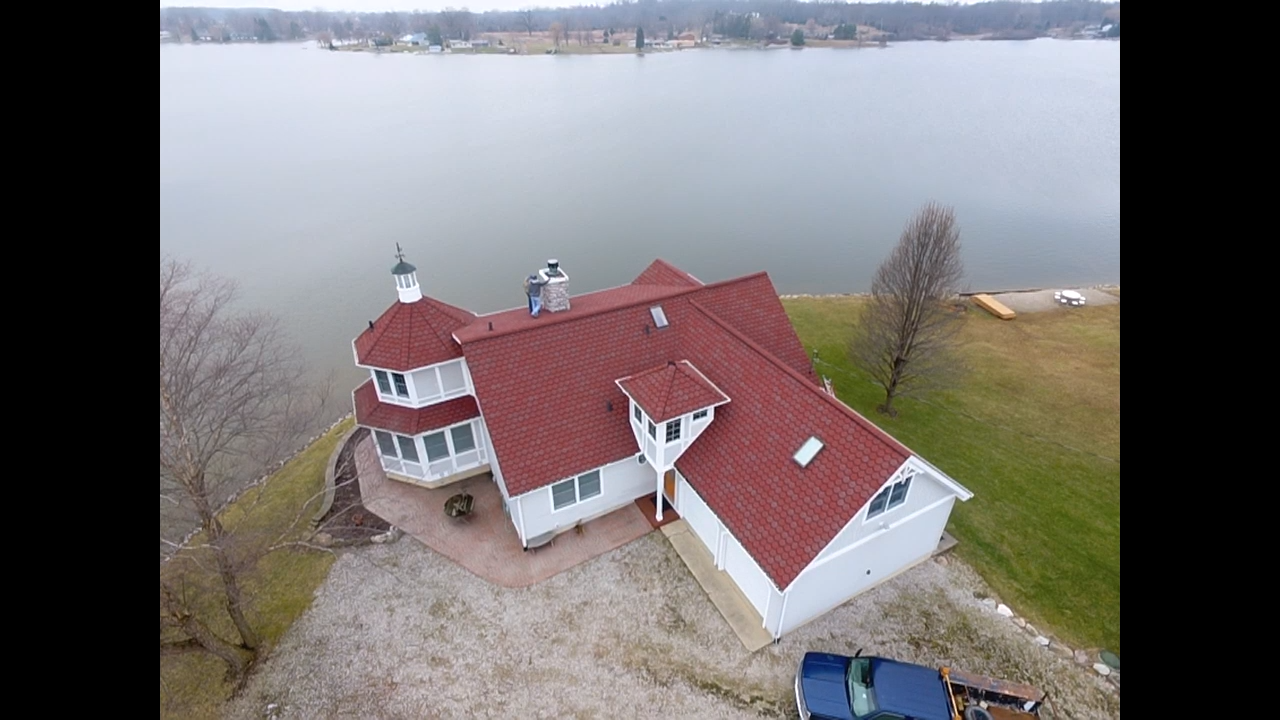
For lake homes and vacation properties, this is especially important. A leak may continue for days or weeks before anyone is present to notice it. Remote owners benefit from timely inspections, photographs, a written scope, and clear updates so decisions can be made with confidence from a distance.
A practical way to approach the decision
Start by asking two questions: Did a recent event damage the roof, and is there evidence connecting that damage to the leak? If the answer is yes, a claim may be worth discussing with your insurer. If the roof is worn out or the leak developed gradually, a repair or replacement plan may be the more realistic path.
Carbon Construction Company has seen how quickly a small leak can become a larger restoration issue when storms move through southern Michigan, northern Indiana, and Northwest Ohio. A thorough inspection provides the facts you need before making an insurance decision, whether the solution is a targeted repair, storm-damage restoration, or a new roofing system built for the years ahead.
The best next step is not to assume coverage or assume the worst. Get the leak evaluated promptly, keep good records, and make the decision based on the condition of your roof and the terms of your policy.


Comments