
Asphalt Shingle Roof Replacement Cost

If you are pricing a new roof, you have probably already learned that asphalt shingle roof replacement cost is not a one-number answer. Two homes on the same road can get very different estimates, even if the roof looks similar from the ground. The difference usually comes down to roof size, roof shape, shingle quality, labor, decking condition, and how much detail work is involved around valleys, chimneys, skylights, and ventilation.
For homeowners in southern Michigan, northern Indiana, and nearby Northwest Ohio, cost also has to be weighed against weather exposure. Snow loads, wind, ice, heavy rain, and seasonal temperature swings all put pressure on a roofing system. A cheaper price upfront can become an expensive choice if the installation is rushed or key components are skipped.
What is the average asphalt shingle roof replacement cost?
In most cases, homeowners can expect asphalt shingle roof replacement cost to fall somewhere between about $8,000 and $18,000 for a standard single-family home. Smaller, simpler roofs may come in below that range, while large homes, steep roofs, and premium shingle systems can push well above it.
That spread may sound wide, but it reflects the real market. A basic ranch with one layer of old shingles and easy access is a very different project than a two-story home with multiple peaks, old flashing issues, and damaged roof decking under the existing roof.
The best way to think about pricing is by understanding what is included, not just looking at the final total. One estimate may cover full tear-off, underlayment, ice and water protection, upgraded ventilation, cleanup, and disposal. Another may leave out details that matter later.
The biggest factors that affect cost
Roof size is the starting point. More square footage means more shingles, underlayment, labor, and disposal. But size alone does not tell the full story.
Roof pitch and complexity
A steep roof costs more to replace than a low-slope roof because it takes more time, more safety equipment, and more labor. Complexity adds to the price as well. Dormers, valleys, intersecting rooflines, chimneys, and skylights all create cut-up areas that require slower installation and more flashing detail.
This is one reason homeowners are sometimes surprised when a modest-looking home gets a higher-than-expected quote. The roof may not be huge, but if it has a lot of detail, the labor side of the project rises quickly.
Tear-off versus overlay
A full replacement usually means tearing off the old shingles down to the decking. That is the right approach in many situations because it allows the contractor to inspect the wood deck and address hidden problems before the new roof goes on.
An overlay, where new shingles are installed over old ones, can reduce upfront cost, but it is often a short-term decision with trade-offs. It adds weight, can hide decking issues, and may shorten the life of the new roof. In many cases, a full tear-off is the better long-term value.
Decking repairs
Once the old roof is removed, damaged or rotted decking may need to be replaced. This is one of the most common variables in roofing estimates. If the roof has had leaks around pipe boots, chimneys, valleys, or ice dam areas, there is a chance some wood repair will be needed.
No honest contractor can guarantee exact decking replacement costs before tear-off unless the damage is already visible. What matters is that the estimate explains how those repairs would be handled if they are found.
Shingle type and system components
Not all asphalt shingles are the same. Basic three-tab shingles generally cost less, while architectural shingles are thicker, more durable, and more common on homes today. Premium designer shingles cost more again, usually because of appearance, impact resistance, or stronger warranty coverage.
The shingle itself is only part of the system. Underlayment, ice and water shield, ridge vent, starter shingles, hip and ridge caps, flashing materials, pipe boots, and fasteners all affect price. A roof is only as dependable as the full system underneath and around the shingles.
Ventilation and flashing upgrades
Roof replacement is often the right time to correct poor attic ventilation or aging flashing. These items may add to the initial cost, but they can protect the life of the new roof and help prevent moisture issues, heat buildup, and early shingle wear.
This is where low bids can be misleading. If one estimate includes proper ventilation corrections and another does not, the lower number is not necessarily the better deal.
Regional conditions matter
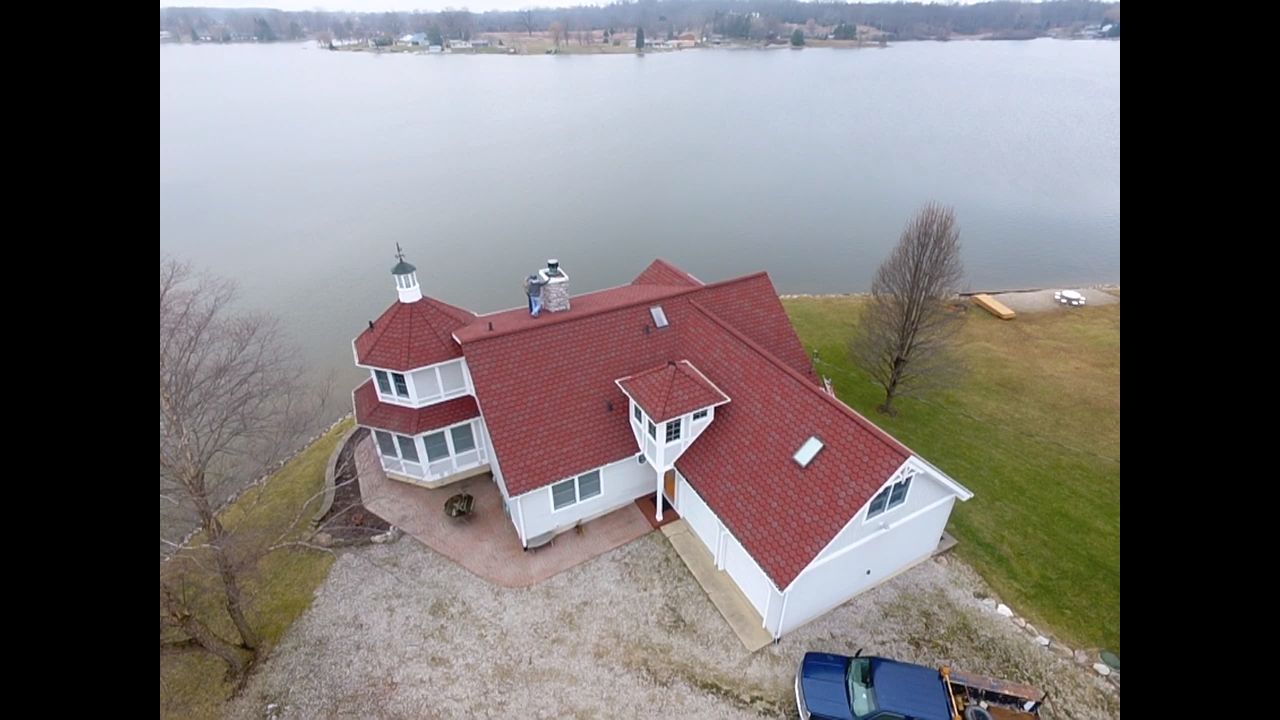
In our area, roofs take a beating. Winter ice, strong winds, tree debris, and sudden storms all affect how long a roof lasts and what kind of replacement work is needed. Homes near lakes can see added moisture and weather exposure, and vacation properties sometimes go longer between inspections, which can allow small issues to grow.
That local reality matters when comparing estimates. Materials and installation details should reflect regional weather, not just national pricing averages. A roof built for local conditions is usually a smarter investment than the cheapest option available.
Why estimates can vary so much
If you collect three roofing quotes, you may end up with prices that are thousands of dollars apart. That does not always mean one company is overcharging. It may mean the scope of work is different.
One contractor may price for basic replacement only. Another may include upgraded underlayment, chimney flashing replacement, ventilation improvements, permit handling, and a more complete cleanup process. Some crews are also faster and more organized because roofing is a core service, not something they do occasionally.
Experience, insurance coverage, crew quality, workmanship standards, and warranty support all show up in pricing, even if they are not obvious at first glance. For a major investment like a roof, those details are worth paying attention to.
How to compare asphalt shingle roof replacement cost the right way
The smartest comparison is not price versus price. It is scope versus scope.
Ask whether each estimate includes full tear-off, underlayment type, ice and water protection, flashing replacement, ventilation, decking repair terms, dumpster and disposal, property protection, and final cleanup. Make sure the shingle brand and product line are clearly listed. If a quote is vague, it is hard to know what you are really buying.
It also helps to ask who will supervise the job, how communication will be handled, and what happens if hidden damage is found. For remote owners or lake house owners who may not be on-site, clear updates and dependable project management are especially important.
Insurance claims and storm damage
Sometimes roof replacement cost is not only a budget issue. It starts with storm damage.
If hail or wind has damaged the roof, insurance may cover part or all of the replacement, depending on your policy and the claim outcome. In those cases, good documentation matters. A contractor with restoration experience can help identify storm-related damage, explain the scope of work, and support the process with clear information.
Homeowners should still pay attention to what is being installed. Even when insurance is involved, the goal is not just to get the roof replaced. The goal is to get it replaced correctly.
Is financing worth considering?
For many property owners, yes. Roof replacement is often necessary before it feels convenient, and waiting too long can increase interior damage, decking rot, insulation issues, and repair costs.
Financing can make sense when it allows you to replace the roof before leaks spread or structural damage gets worse. The key is to weigh monthly payment comfort against the risk of delay. A well-timed replacement can protect the rest of the home.
What a fair price usually looks like
A fair roofing price is not the highest bid or the lowest bid. It is a clear, well-explained proposal for the right scope of work, installed by a contractor with a strong reputation, proper coverage, and a process you can trust.
At Carbon Construction Company, that conversation starts with giving homeowners a realistic picture of what drives cost, what can wait, and what should not. The right roof should protect your home for years, not just get you through the next storm.
When you review estimates, look for honesty more than sales language. A dependable contractor should be able to explain the price in plain terms, point out the trade-offs, and help you make a decision that fits both your property and your budget. That kind of clarity is often worth as much as the shingles themselves.


Comments