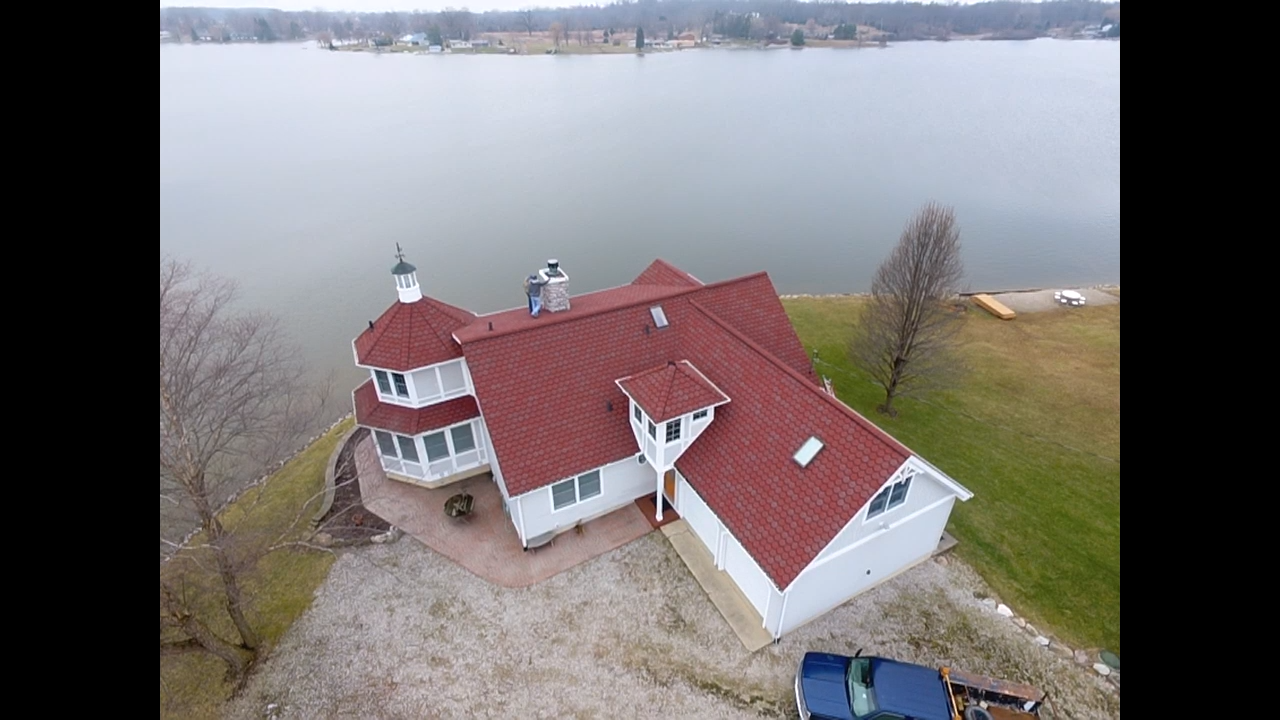


How to Choose Custom Porch Builders Near Me

A porch is not a minor cosmetic upgrade. It is an addition that has to stand up to rain, snow, summer heat, changing temperatures, foot traffic, and the way your family actually uses the space. When homeowners search for custom porch builders near me, they are usually looking for more than someone who can install posts and decking. They need a contractor who can plan the project correctly, protect the connection to the home, and build something that looks like it belongs there.
For homes throughout Hillsdale, Coldwater, Angola, and nearby communities, a custom porch can create a more welcoming entrance, provide a comfortable place to sit outside, or make a lake house more useful for family and guests. The quality of the design and construction matters just as much as the finished appearance.
What a Custom Porch Should Solve
A good porch begins with a practical purpose. Some homeowners need a covered front entry that keeps rain and snow off the doorway. Others want a broad wraparound porch for relaxing, entertaining, or enjoying a view. A screened porch may make sense when mosquitoes and other insects limit how often the space can be used. For a vacation property, the goal may be a durable, low-maintenance outdoor area that can handle long stretches without daily attention.
Those needs affect nearly every decision: the size of the porch, roof design, materials, railings, screens, lighting, stairs, and drainage. A standard, one-size-fits-all layout may be less expensive at the start, but it may not suit the home or the way the property is used.
Custom work does not have to mean overly complicated work. It means the project is designed around the house, site conditions, budget, and priorities. In many cases, the best porch is one that feels simple, solid, and original to the home.
How to Compare Custom Porch Builders Near Me
It is easy to compare contractors based only on a quoted price. It is much harder to compare what each contractor has actually included in the work. Before choosing a builder, homeowners should look for clear planning, detailed scope information, and the experience to handle both the visible features and the structural details behind them.
Ask how the porch will connect to the home
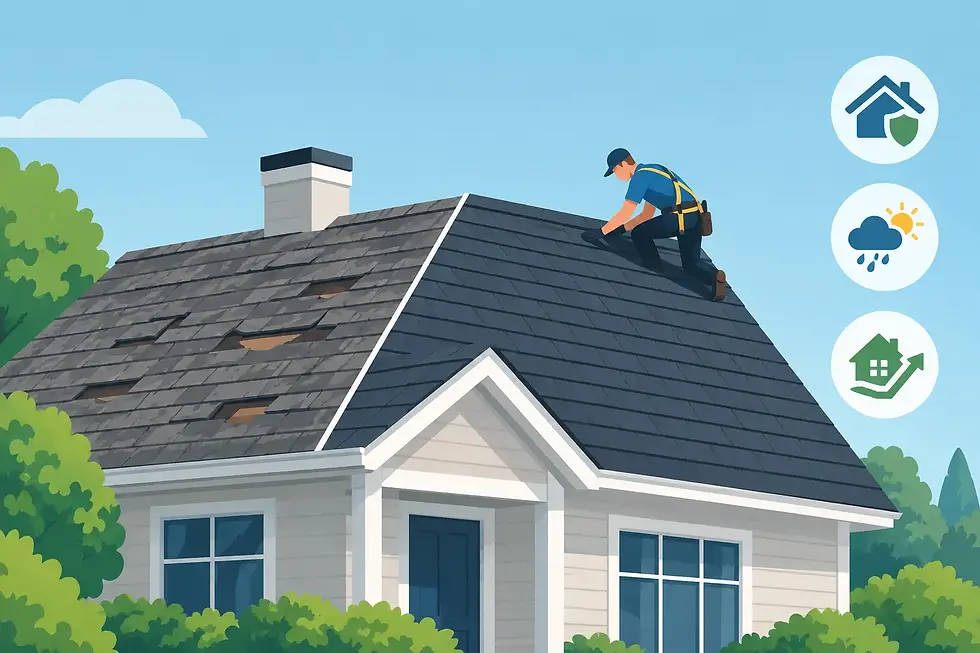
The connection between a porch and the existing house deserves close attention. A porch roof must tie into the home in a way that directs water away from vulnerable areas. If flashing, roofing transitions, or drainage are handled poorly, a new porch can create leaks or hidden rot around the exterior wall.
This is one reason a contractor with strong roofing and construction experience can be especially valuable. The porch roof is not separate from the home’s protection system. It must work with the existing roofline, siding, gutters, and framing.
Ask how the builder will inspect the attachment area, what flashing details are planned, and whether damaged wood or siding will be addressed if it is discovered during the project. A dependable contractor should be comfortable explaining the approach in straightforward terms.
Look beyond the surface materials
Decking, columns, railings, and ceiling finishes are the features most people notice first. The structure underneath is what determines whether the porch stays level, feels solid, and performs well over time.
A builder should consider footings appropriate for local conditions, proper framing, beam and post placement, secure connections, and stair construction. Material choices also matter. Pressure-treated lumber can be a practical choice for framing and certain applications, while composite decking may reduce routine maintenance. Natural wood has a classic appearance but may require more regular staining or sealing.
There is no single best material for every porch. A covered front porch may have different needs than an exposed lakeside porch. The right recommendation should reflect weather exposure, desired upkeep, appearance, and long-term budget.
Make sure the design fits the house
A porch that is too small can feel cramped. One that is too large or poorly proportioned can overwhelm the front of the home. Roof pitch, column spacing, railing style, trim details, and flooring should work with the home’s existing character rather than compete with it.
This is especially important on older homes, farmhouses, and lake properties where additions need to complement established architecture. Drawings, measurements, and a clear visual plan help prevent costly misunderstandings before construction begins.
For remote owners, those plans are also useful for making decisions from a distance. Detailed scopes and consistent project updates provide confidence when you cannot stop by the property every day.
Plan for Weather, Water, and Maintenance
Southern Michigan, northern Indiana, and Northwest Ohio properties experience all four seasons in full. A porch needs to account for snow loads, wind-driven rain, freeze-thaw cycles, and drainage around the foundation.
Water management is one of the most important parts of the project. Roof runoff should be directed away from the porch and home. Gutters and downspouts may need to be extended or adjusted. The finished grade should move water away from the foundation rather than allowing it to collect beneath the porch.
Ventilation and material selection also affect longevity. Wood components need protection from moisture, while enclosed or screened spaces need thoughtful airflow. If a porch roof is being added near an existing roof, matching materials and ensuring proper transitions can protect the home while creating a more finished appearance.
Maintenance should be discussed honestly before work begins. A painted wood ceiling, decorative trim, or natural wood flooring may be worth the upkeep for homeowners who love the look. Others may prefer more durable, lower-maintenance materials. Neither approach is wrong, but the choice should be made with clear expectations.
Understand the Scope Before Construction Starts
A trustworthy proposal should make it easier to understand what is being built and what is not included. Homeowners should know the planned dimensions, major materials, roofing approach, railing or screening details, steps, electrical work, and cleanup expectations.
Permits, inspections, and local code requirements may apply depending on the size and type of porch. Setbacks, height, structural requirements, and electrical components can all affect the project. An experienced local contractor will help identify these issues early instead of treating them as an afterthought once construction is underway.
It is also wise to discuss the possibility of hidden conditions. Older homes sometimes reveal rot, water damage, inadequate previous work, or framing issues after siding or trim is removed. No contractor can promise that these conditions will never exist, but they should explain how discoveries will be documented and how change decisions will be handled.
Clear communication is often the difference between a stressful project and a manageable one. You should know who will oversee the work, how questions will be answered, and how schedule updates will be shared if weather or material availability affects timing.
Choose a Contractor With the Right Range of Experience
Porch construction often crosses several trades. It may involve framing, roofing, siding, trim, electrical work, drainage, and repairs to the existing home. A contractor who understands the full exterior system can spot concerns that a narrowly focused installer might miss.
Carbon Construction Company brings more than 25 years of construction management experience to projects across the region, including porches, decks, additions, roofing, siding, and restoration work. That broader perspective matters when a porch project requires more than a new floor and roof. It allows the work to be planned as part of the home, not as an isolated feature.
Local experience matters, too. A builder who works regularly in the area understands the weather patterns, common home styles, and expectations of nearby homeowners. A strong local reputation is built over time through completed projects, responsive service, and customers who are comfortable referring friends and family.
Questions Worth Asking Before You Hire
Before making a final decision, have a direct conversation with the contractor. Ask whether they have completed similar porch projects, how they address roof and flashing connections, what materials they recommend for your goals, and how they manage permits and inspections. Ask who will supervise the job and how changes will be communicated.
You should also ask for a written estimate that clearly describes the work. The lowest number is not always the best value if important details are missing. A complete proposal may cost more than a bare-bones quote, but it can reduce surprises and protect the investment you are making in your property.
Pay attention to how the contractor responds before the project begins. If communication is unclear during the estimate process, it is unlikely to improve once construction is underway. Homeowners deserve straightforward answers, realistic expectations, and a team that treats their home with care.
A well-planned porch gives a home more than curb appeal. It creates a sheltered place to greet guests, watch a storm move through, or enjoy a quiet evening outside. The right builder will help make sure that space is built to look good on day one and perform well for many seasons to come.

Comments