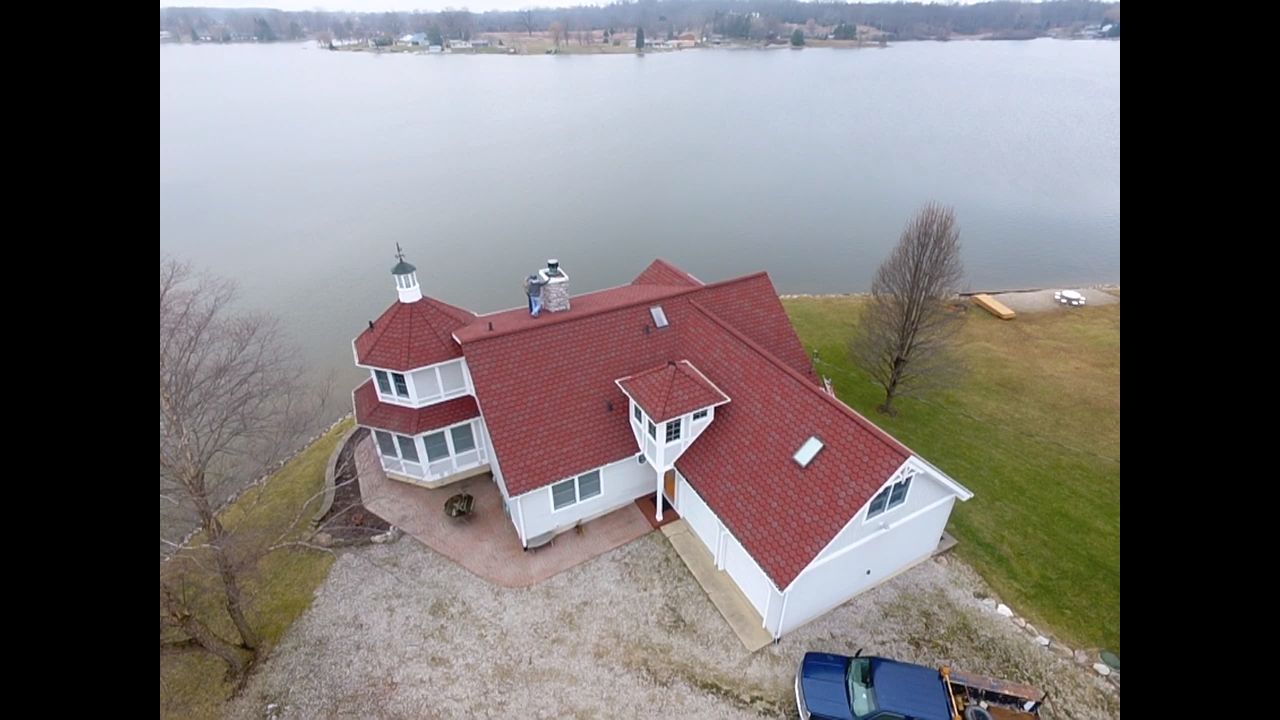


Wind Damage Roof Repair Done Right

A roof does not have to lose half its shingles to have a serious storm problem. In southern Michigan, northern Indiana, and nearby Northwest Ohio, strong gusts can loosen shingles, lift flashing, and open small entry points that turn into expensive leaks weeks later. That is why wind damage roof repair should start quickly, even when the damage looks minor from the ground.
After a wind event, many property owners notice the obvious signs first - a few shingles in the yard, a piece of fascia hanging loose, or water staining on a ceiling. The harder part is spotting the damage that is easy to miss. Wind can break the seal on shingles without tearing them off. It can pull at ridge caps, loosen metal trim, and create gaps around vents, chimneys, and valleys. A roof may still look mostly intact while its weather resistance has already been compromised.
Why wind damage roof repair needs a quick response
Time matters because wind damage rarely stays in one place. Once the roof system is opened up, even slightly, the next rain can push water into decking, insulation, wall cavities, and attic spaces. What began as a repair to a limited section can become interior drywall work, mold concerns, or structural wood replacement.
Quick action also helps with documentation. If an insurance claim may be involved, clear photos and a timely professional inspection can make the process smoother. Waiting too long can create questions about when the damage happened and whether later water intrusion was preventable. For homeowners, commercial owners, and remote lake property owners, that delay can cost both time and money.
There is also a practical labor issue. After major storms, qualified roofing crews get booked fast. Calling early gives you a better chance of getting temporary protection in place and moving from emergency response to permanent repair without unnecessary delay.
Signs your roof may have wind damage
Not every roof reacts to wind the same way. Older shingles may crease or tear more easily. Metal roofing can hold up extremely well, but trim, fasteners, or edge details may still need attention after a severe event. The roof pitch, age of materials, and surrounding tree cover all make a difference.
Some warning signs are easy to spot. Missing shingles, bent flashing, exposed underlayment, or debris impact are all reasons to schedule an inspection. Other clues are more subtle, such as lifted tabs, granules collecting in gutters, leaks around roof penetrations, or pieces of siding and trim damaged at the same time. If the wind was strong enough to move outdoor furniture or drop limbs, it was strong enough to stress the roof.
For vacation homes or rental properties, the challenge is often not seeing the problem right away. A property can sit unattended for days or weeks after a storm. In those cases, prompt inspection and good communication matter just as much as the repair itself.
What a proper wind damage roof repair inspection should include
A real inspection goes beyond a quick glance from the driveway. The goal is to understand not just what was damaged, but how far the damage extends and whether repair is the right fix.
A qualified contractor should look at the field shingles or panels, ridge areas, flashing, vents, valleys, edges, gutters, fascia, soffits, and any related exterior components affected by the storm. Interior signs matter too. Attic moisture, stained sheathing, or damp insulation can reveal entry points that are not obvious from above.
Documentation is a big part of the process. Clear photos, written notes, and a defined scope of work help property owners make decisions and support insurance conversations when needed. Good contractors also explain the trade-offs. Sometimes a targeted repair is the smartest choice. Other times, matching existing materials is difficult, damage is spread across multiple slopes, or the roof is already near the end of its service life. In those cases, a larger restoration may make more sense than patching one section at a time.
Repair or replacement? It depends on the roof
This is where experience matters. A newer roof with limited wind damage can often be repaired successfully if the surrounding materials are still sound and replacement products are available. That is especially true when the damage is isolated to one area and the rest of the system remains in good condition.
On the other hand, repair is not always the lower-cost decision in the long run. If shingles are brittle, previous repairs are failing, or the storm exposed multiple weak points, a replacement may provide better protection and better value. The same is true when matching color and profile is nearly impossible. A patch that stands out may not bother some owners, but others want a finished result that protects curb appeal as well as the home.
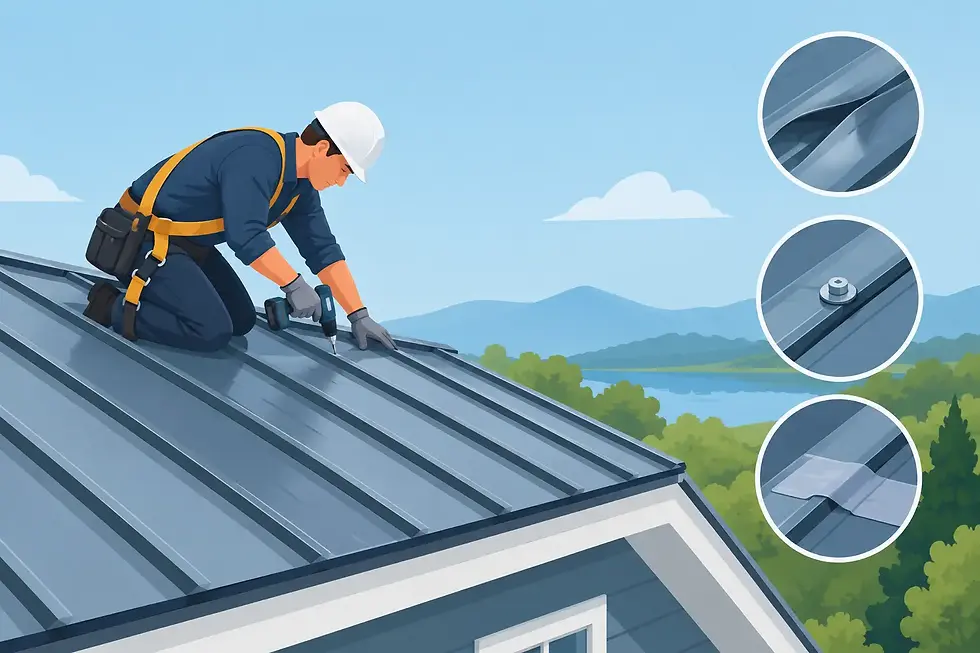
Metal roofing adds another layer of judgment. Many metal systems perform exceptionally well in wind, but storm damage can still affect trim pieces, seam areas, fasteners, or accessory penetrations. A contractor who understands both shingle and metal systems is in a better position to recommend the right path instead of forcing every roof into the same solution.
The insurance side of wind damage roof repair
Storm damage is stressful enough without trying to sort out claim language, photos, and adjuster meetings on your own. A contractor should not replace your insurance company, but an experienced one can help you document conditions clearly and prepare a repair scope that reflects the actual work required.
That support matters because wind damage is not always obvious in a few photos. Creased shingles, lifted tabs, punctured underlayment, and damaged flashing can be missed if no one takes time to inspect carefully. Property owners benefit when the damage is explained in plain language and backed up with thorough documentation.
If a claim is approved, the work still needs to be managed properly. Temporary protection, material coordination, scheduling, and final repairs all have to happen in the right order. If the claim is not approved or only partially covered, you still need a clear understanding of what should be fixed now and what can be planned for later.
Choosing a contractor after storm damage
Storm season brings out more than bad weather. It also brings out high-pressure sales tactics, vague promises, and out-of-town crews chasing insurance work. That is why local reputation matters.
A dependable contractor should be willing to explain what they found, what they recommend, and why. They should give you a defined scope, not a handshake and a promise to figure it out later. They should also have the capacity to move quickly when protection is urgent, without sacrificing workmanship.
For many property owners, especially older homeowners and remote owners, communication is just as important as roofing skill. You want to know when the crew is arriving, what is being repaired, what changed if hidden damage is found, and what the final outcome will be. A family-owned company with strong local ties often understands that expectation better than a storm chaser who will be gone in a month.
Carbon Construction Company works with homeowners and property owners who need that kind of steady support - from inspection and documentation to repair, replacement, and broader restoration when the storm damage reaches beyond the roof.
How wind damage roof repair protects more than shingles
The roof is the first concern, but it is rarely the only one. Wind can damage siding, gutters, fascia, soffits, windows, porches, and detached structures at the same time. If water gets in, the scope may expand to insulation, ceilings, trim, and interior finishes.
That is one reason broader construction experience is valuable. When one contractor can see the full picture, the repair plan tends to be more complete. Instead of fixing only the most visible roof problem, they can address the related issues that affect the building envelope and prevent repeat damage.
This is especially helpful for commercial properties and lake homes. A business owner may need work completed with minimal disruption. A remote owner may need photos, updates, and confidence that the full scope is being handled without constant site visits. In both cases, disciplined project management makes a real difference.
A good roof repair after wind damage is not just about replacing what blew off. It is about restoring the system so it performs the way it should in the next storm. That means proper fastening, correct flashing details, compatible materials, and careful attention to the areas where roofs usually fail first.
If your property has been through a wind event, trust what the storm may be telling you. Small signs often point to bigger vulnerabilities, and a timely inspection can prevent a much larger repair later. The right response is not panic. It is getting clear answers from a contractor who knows the region, knows roofing, and knows how to protect what matters most.


Comments