

Roof Insurance Claim Help That Works

A storm moves through at night, and by morning you notice shingles in the yard, a water spot on the ceiling, or metal trim pulled loose by wind. That is usually when people start looking for roof insurance claim help - not because they want paperwork, but because they want their home protected and the process handled correctly the first time.
For many property owners in southern Michigan, northern Indiana, and nearby Northwest Ohio, the hardest part is not spotting the damage. It is figuring out what to do next without making a costly mistake. Insurance claims can move smoothly when the damage is clear, documented well, and addressed quickly. They can also stall when the inspection is incomplete, the scope is too narrow, or the repair plan does not match what the roof actually needs.
What roof insurance claim help should include
Real roof insurance claim help is more than meeting an adjuster and pointing at missing shingles. It starts with an experienced inspection that looks at the full roofing system, not just the most obvious problem areas. Wind can lift shingles without tearing them off. Hail can bruise shingles, damage vents, dent flashing, and shorten the life of components that still look acceptable from the ground.
A good claim support process also includes documentation. That means photos, notes, measurements, and a clear explanation of what was damaged by the storm versus what may be older wear. This matters because insurance carriers are looking for cause, extent, and repairability. If those pieces are not presented clearly, the claim can be underpaid or partially denied.
Just as important, you need a contractor who can explain what the insurance scope does and does not cover. Sometimes the first estimate captures everything. Sometimes it does not. When that happens, the next step is not guessing or arguing. It is providing accurate, professional support for supplemental items that are necessary to complete the repair properly.
The first steps after roof damage
After a storm, speed matters, but rushing the wrong decision can create bigger problems. If your roof is actively leaking, the first priority is preventing further damage. Temporary protection such as tarping may be needed while the claim is being reviewed. Waiting too long can lead to interior water damage that complicates the situation for everyone involved.
Once the property is stable, the next step is a qualified roof inspection. This is where experience makes a real difference. A seasoned roofing contractor knows how to distinguish between cosmetic issues, functional damage, and signs that a roof may need partial or full replacement. That judgment affects the entire claim.
It also helps to keep your own records early. Save photos from the day damage was noticed, note the date of the storm if you know it, and keep any communication from your insurance company. Those details may seem minor, but they help create a cleaner timeline.
Why homeowners get frustrated with insurance claims
Most frustration comes from mismatched expectations. Homeowners assume the insurance company will identify every issue automatically. Insurance companies assume the reported damage will be specific and supported. Contractors sometimes focus only on getting the job instead of helping the owner understand the process. When those assumptions collide, delays follow.
Another common problem is incomplete scoping. An adjuster may inspect the roof and write for surface materials but miss code-related items, flashing details, ventilation components, or collateral damage to gutters, siding, or other exterior features. That does not always mean anyone acted in bad faith. It often means a second review and better documentation are needed.
Older roofs can add another layer of complexity. If the roof already had wear before the storm, the question becomes whether the storm caused repairable damage, accelerated failure, or created conditions that justify replacement. These are not always simple yes-or-no decisions. They depend on roof type, age, installation history, and the pattern of damage across the system.
Roof insurance claim help for different property types
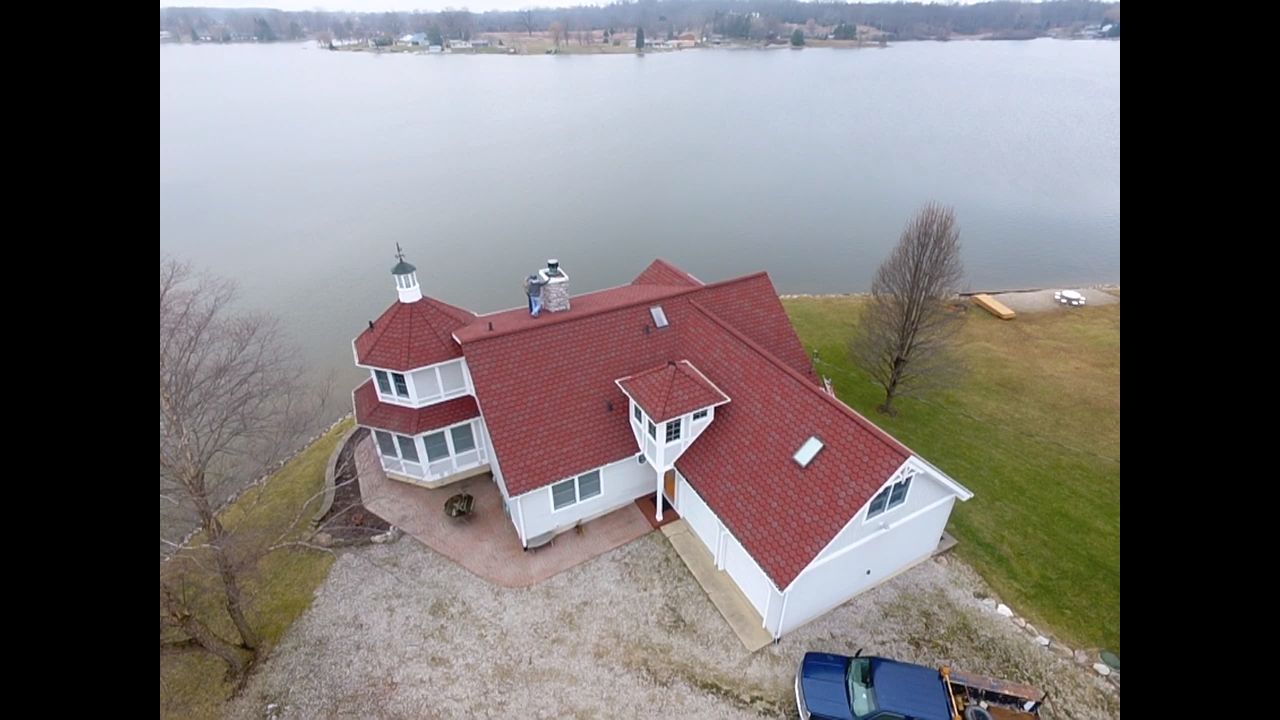
Not every claim looks the same. A primary residence with visible shingle loss is usually more straightforward than a lake house that sits empty part of the week, or a commercial property with low-slope sections and multiple penetrations.
For vacation and lake property owners, communication becomes especially important. If you are not on-site regularly, you need detailed updates, photos, and a contractor who can manage the inspection and repair process responsibly from a distance. Small issues can become large ones when they go unnoticed for days or weeks.
Commercial owners and property managers often need a more detailed scope because the roofing system may tie into insulation, drainage, mechanical units, and interior operations. In those cases, roof insurance claim help is not just about replacement cost. It is about minimizing disruption and making sure the repair plan fits the building.
How an experienced contractor supports the claim process
The contractor's role is not to act as your insurance company. It is to provide an honest assessment of storm-related damage, document the necessary work, and communicate clearly about what it will take to restore the roof properly.
That starts with a thorough inspection and a written scope. It may also include meeting with the adjuster to review findings on-site. When the contractor knows roofing systems well, especially both metal and asphalt roofing, the conversation tends to be more productive because the damage can be explained in practical terms, not general claims language.
If the approved insurance scope is missing necessary items, the contractor can submit supporting documentation for those additions. This is where construction management experience matters. A roof is not just shingles or panels. It is underlayment, flashings, ventilation, edges, penetrations, and tie-ins to other building components. If one part is left out of the scope, the finished project may not perform as it should.
At Carbon Construction Company, this kind of support is part of helping owners move from storm damage to a completed repair with less confusion and fewer surprises.
What to watch for before you sign with any roofer
Storm season often brings out contractors who knock doors, offer quick promises, and disappear after the job. That does not mean every company that responds quickly is a problem. It does mean you should slow down enough to check who you are dealing with.
Look for a contractor with a real local presence, a solid reputation, and experience not only replacing roofs but handling restoration work. Ask how they document damage, how they communicate during the claim, and whether they can address related exterior or structural issues if the storm affected more than the roof.
This matters because some claims turn into broader restoration projects. Water can affect insulation, drywall, framing, siding, or trim. A contractor with broader construction capabilities can often manage those pieces more efficiently than a company that only handles one narrow part of the work.
When a repair makes sense and when it does not
Not every damaged roof needs full replacement. If the storm affected a limited area and matching materials are available, a targeted repair may be the right answer. That can be the most cost-effective path for both the property owner and the insurer.
But sometimes a repair is technically possible and still not the best long-term decision. If the roof has widespread wind damage, brittle materials, discontinued shingles, or multiple vulnerable areas, patching one section may only delay the real problem. A dependable contractor should be willing to explain that trade-off honestly.
Metal roofs deserve special attention here. Some storm effects are cosmetic, while others compromise seams, fasteners, trim, or water shedding details. Knowing the difference requires product knowledge and installation experience, not guesswork from the ground.
Getting to the finish line without extra stress
The claim is only part of the job. Once approved, the work still needs to be scheduled, installed correctly, and cleaned up properly. Fast turnaround is valuable, but only if the workmanship is solid and the communication stays clear.
For homeowners, that means knowing what to expect before crews arrive, during tear-off, and after completion. For remote owners, it means timely updates and confidence that the project is being managed carefully. For commercial properties, it means coordination that respects tenants, staff, and operations.
Good roof insurance claim help should leave you with more than paperwork. It should leave you with a roof that is built right, a property that is protected, and a process that felt organized rather than overwhelming.
If your roof has been hit by wind, hail, or falling debris, the smartest next step is not to guess. Get the damage inspected, get the facts documented, and work with a contractor who treats your property like it matters - because it does.


Comments