

Do New Roofs Need Gutters? What Homeowners Should Know

A new roof is one of the best times to look closely at where rainwater goes after it leaves your home. But do new roofs need gutters? Not always. A roof can be installed correctly without new gutters, yet the drainage plan still has to protect the foundation, siding, landscaping, walkways, and lower roof areas.
For many homes in southern Michigan, northern Indiana, and Northwest Ohio, gutters are a practical part of that protection. Our region sees steady rain, spring thaws, snow, ice, and occasional heavy storms. When water is allowed to pour directly off a roof edge near the house, even a sound new roofing system can be paired with drainage problems that become expensive over time.
Do New Roofs Need Gutters on Every Home?
No. Gutters are not automatically required simply because a roof is being replaced. Whether they are needed depends on the roof design, the way the home is built, the slope of the ground, local building requirements, and where water naturally drains.
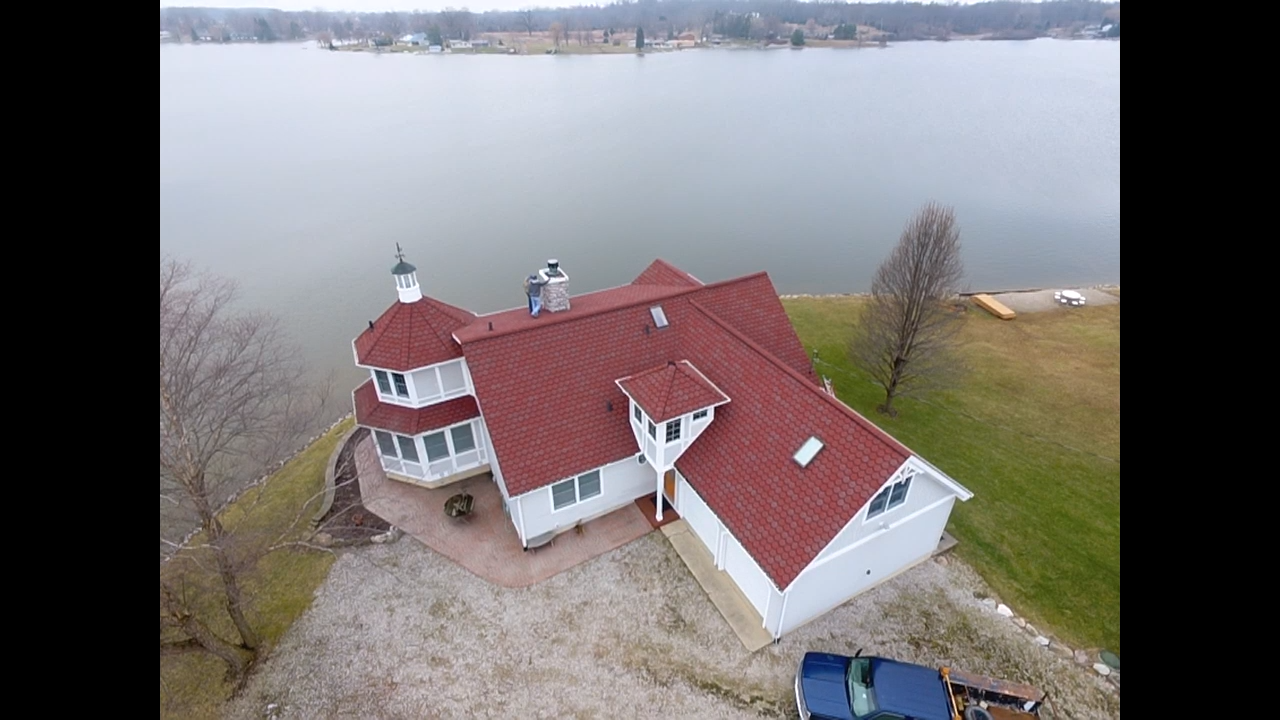
Some homes can perform well without gutters. A house with wide roof overhangs, deep eaves, a properly graded lot, and plenty of open space around the foundation may direct water safely away from the structure. Certain rural buildings, garages, sheds, and agricultural-style structures may also be designed without a gutter system.
That said, many residential properties benefit greatly from gutters, especially when roof runoff lands close to the foundation or creates concentrated areas of erosion. A larger new roof can shed a surprising amount of water in a short storm. The question is less about whether gutters are standard and more about whether the home has a dependable way to manage that water.
Why Roof Drainage Matters as Much as the New Roof
A roofing system is designed to move water off the roof surface. Gutters and downspouts take the next step: they control where that water goes. Without a plan for runoff, water can repeatedly saturate the soil beside the home, splash against exterior finishes, or freeze on an entry path in winter.
Over time, uncontrolled roof runoff may contribute to foundation moisture, basement leaks, stained siding, washed-out mulch, damaged flower beds, and soil erosion. It can also undermine patios, steps, and driveways if water is routinely directed toward them. These issues are not always immediate, which is why homeowners sometimes overlook them when budgeting for a roof replacement.
The roof itself can be in excellent condition while the property still experiences drainage trouble. Looking at the roof, gutters, downspouts, grading, and foundation as one exterior system provides a clearer picture of what the home needs.
The roof shape changes the answer
Roof design has a major impact on gutter needs. A simple gable roof concentrates runoff along two long eaves. A hip roof distributes water across more sides of the house. Valleys can direct large volumes of water to one small area, while dormers and intersecting rooflines create additional drainage points that deserve attention.
A steep roof sheds water quickly. Metal roofing, particularly standing seam metal, moves rain and melting snow efficiently. That performance is one reason metal is valued for long-term durability, but it also means the gutter system needs to be properly sized, securely fastened, and positioned to receive runoff.
For homes with metal roofs, snow movement deserves special consideration. Snow can slide suddenly from smooth metal panels, placing stress on gutters or creating a hazard below. In appropriate locations, snow guards can help manage that movement. The right approach depends on the roof pitch, panel style, entrance locations, and how the home is used.
The ground around the home matters, too
A home on a gentle slope may be more vulnerable on the uphill side, where saturated soil and runoff can gather near the foundation. A flat lot can also be challenging if water has nowhere to drain after a storm. In both situations, gutters and downspout extensions may be part of a larger drainage solution.
Downspouts should discharge water away from the foundation, not merely dump it at the base of the wall. A short downspout that empties beside the house often defeats the purpose of the gutter. Depending on the property, extensions, buried drainage lines, splash blocks, or grading improvements may be appropriate.
When It Makes Sense to Replace Gutters With a New Roof
If your existing gutters are leaking, sagging, undersized, poorly pitched, or damaged, replacing them during a roofing project often makes sense. The roofing crew already has access to the eaves, and the work can be coordinated so the fascia, drip edge, roof edge, and gutter installation work together properly.
It is also a good time to inspect the fascia boards behind the gutters. Hidden rot is common where old gutters have overflowed or leaked for years. Installing new gutters over damaged wood may leave a problem concealed behind a fresh exterior finish.
Homeowners do not necessarily need to replace gutters just because they are getting a new roof. Well-maintained gutters that are the right size, securely attached, and properly draining may continue to serve the home. However, a roof replacement is the right time to evaluate them honestly rather than assuming they are fine because they are still hanging in place.
A contractor should also consider drip edge details. Drip edge helps guide water off the roof and into the gutter while protecting the roof deck and fascia edge. If gutters sit too low, too far from the roof edge, or are installed in a way that interferes with drainage, water can miss the system altogether.
Signs Your New Roof Should Include Gutters
Gutters are usually a wise investment when you see recurring evidence that roof runoff is affecting the property. Pay close attention if water pools near the foundation after rain, mulch and soil wash away from planting beds, or basement walls become damp during wet weather.
They are also valuable when water falls over doors, patios, sidewalks, decks, or driveways. In Michigan and Indiana winters, runoff that refreezes near an entry or walkway becomes more than an inconvenience. It can create a real slip hazard.
Consider adding or upgrading gutters if any of these conditions apply:
The roof has valleys or large roof planes that concentrate water in one area.
Your home has little or no roof overhang.
The lot drains toward the foundation or has areas of standing water.
Existing gutters overflow in heavy rain or pull away from the fascia.
Water damages siding, landscaping, masonry, patios, or walkways.
A metal roof or steep roof sheds water and snow quickly near entrances or traffic areas.
Gutters Are Not a Fix for Every Water Problem
Gutters help manage roof runoff, but they cannot correct poor grading, a failed foundation drain, damaged flashing, or an existing basement water issue by themselves. If water is entering the home, the source should be identified before assuming a larger gutter will solve it.
Likewise, oversized gutters will not perform well if they are clogged with leaves, installed without proper slope, or connected to downspouts that discharge too close to the house. Routine cleaning and inspection still matter. For wooded lots and vacation properties that sit empty for parts of the year, gutter guards may reduce debris buildup, though they do not eliminate the need for periodic checks.
Remote owners should be especially careful about drainage. A blocked gutter can overflow for weeks without anyone noticing, staining siding and saturating areas around the home. Clear communication, photos, and a documented plan during a roofing project can provide useful peace of mind when you cannot be there in person.
Ask for a Complete Drainage Conversation
Before approving a new roof, ask your contractor where water will leave the roof, where it will land, and whether the existing gutters are adequate for the roof's layout. Discuss valley locations, lower roof transitions, downspout placement, snow movement, and any visible signs of water around the foundation.
At Carbon Construction Company, we believe a roof replacement should protect more than the shingles or metal panels overhead. It should account for the parts of the exterior that work with the roof to keep water moving safely away from the property.
The best decision is not always to add gutters everywhere. It is to make sure your new roof has a drainage plan that fits your home, your lot, and the weather it will face for years to come.


Comments