

Exterior Remodeling Trends That Earn Their Keep

A new exterior should do more than look good from the road. Around Hillsdale, Coldwater, Angola, and nearby Northwest Ohio communities, it has to handle high winds, driving rain, snow loads, summer heat, and the day-to-day wear that comes with real family life. The exterior remodeling trends worth considering are the ones that improve curb appeal while making a home easier to protect, maintain, and enjoy for years.
For many property owners, that means moving away from cosmetic changes made in isolation. A roof, siding, gutters, windows, porches, trim, and drainage system all work together. When they are planned as one exterior project, the finished result tends to look more intentional and perform better through changing Michigan and Indiana weather.
Exterior Remodeling Trends Built for Real Weather
The strongest trend is not a particular color or material. It is a shift toward durable, coordinated improvements that solve known problems before they become expensive repairs. Homeowners are asking practical questions: Will this roof stand up to storms? Can this siding reduce upkeep? Will this porch add usable space? How will the new materials look together five or ten years from now?
That focus is especially useful for older homes, lake houses, rental properties, and homes that have experienced wind or water damage. The goal is not to chase every new idea. It is to choose improvements that fit the property, the budget, and the way the owner plans to use it.
Metal roofing with a more residential look
Metal roofing continues to gain attention, particularly standing seam metal roofing. It offers clean lines, strong weather resistance, and a lifespan that can make sense for homeowners planning to stay in their homes for the long term. Modern metal roofing is available in colors and profiles that work with farmhouses, cottages, traditional homes, and updated lake properties without making the house feel overly commercial.
The trade-off is upfront cost. A quality metal roof typically costs more than an asphalt shingle roof, and proper installation matters greatly. Flashing details, ventilation, underlayment, and the way the roof meets chimneys, dormers, and walls all affect performance. For a home that needs an economical replacement, architectural asphalt shingles may remain the better choice. For an owner focused on longevity and low maintenance, metal can be a smart investment.
Dark, grounded exterior color palettes
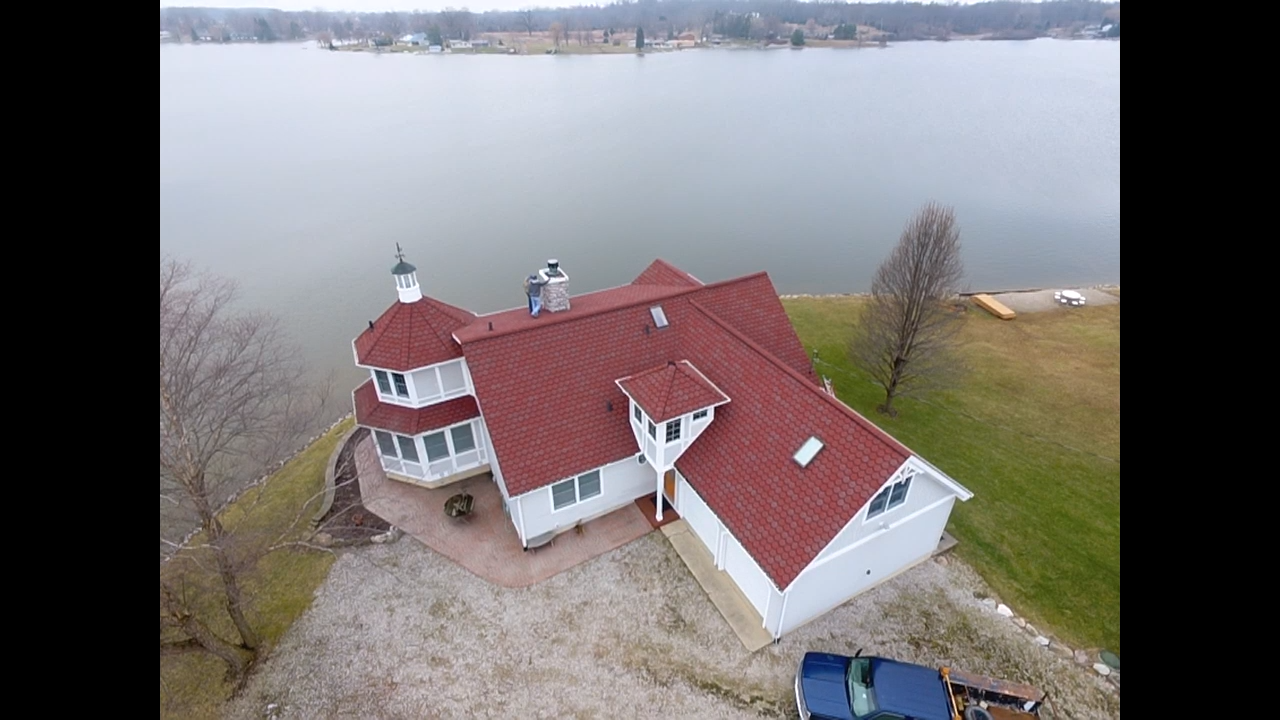
Deep charcoal, bronze, black, dark green, and warm gray are showing up on roofs, siding, doors, and accent trim. These colors can give an older home a cleaner, more current appearance without requiring a dramatic redesign. Darker roofing also pairs well with natural stone, wood tones, brick, and lighter siding colors.
Color needs to be chosen with the whole property in mind. A dark roof can look excellent, but it should complement the siding, masonry, shutters, and nearby landscape. On a lake house or wooded property, softer earth tones may feel more natural than high-contrast black and white. Sample boards and roofing swatches are worth viewing outdoors, where sun and shade can change their appearance considerably.
Siding that reduces maintenance without looking flat
Vinyl siding remains popular because it is cost-conscious and easy to care for, but homeowners increasingly want more dimension. Board-and-batten accents, horizontal lap siding, shake-style details, and contrasting trim can add character without covering every wall in expensive specialty materials.
Fiber cement and engineered wood products are also part of the conversation when homeowners want a more substantial appearance or a specific architectural style. Each material has different maintenance needs, installation requirements, and price points. The right decision depends on the home’s condition, local exposure to moisture, and whether the project includes insulation, sheathing repairs, or window replacement.
A good siding project also looks beyond the panels themselves. Damaged trim, poorly sealed penetrations, missing flashing, and improper transitions around windows can allow water behind the siding. Those details are not always visible from the driveway, but they make a major difference in how well an exterior holds up.
Covered outdoor spaces that extend the season
Porches, covered patios, screened areas, and roofed deck sections are becoming more valuable because they create usable space without the cost of a full room addition. A simple covered porch can provide a dry place to greet guests, relax after work, or enjoy a lake view when the weather is less than perfect.
The best design depends on how the space will be used. A small front porch may need only enough depth for chairs and a clear walkway. A rear deck intended for family gatherings may need room for a grill, dining table, steps, lighting, and traffic flow. If the roof structure is tied into the home, it must be properly designed so water is directed away from the house and snow loads are accounted for.
For vacation property owners, a covered outdoor area can make limited weekends at the lake feel more useful. It also allows the property to be enjoyed with less concern about sudden rain or harsh afternoon sun.
Low-maintenance decking and railings
Composite decking and metal or cable-style railings remain strong choices for homeowners who want to spend less time staining and repairing exterior wood. Composite materials have improved in appearance, with more realistic grain patterns and color variation than earlier products. They are particularly appealing around pools, lakes, and shaded areas where moisture can take a toll on traditional wood.
Still, low maintenance does not mean no maintenance. Decking needs regular cleaning, and every deck needs sound framing, proper fasteners, secure footings, and safe stairs and railings. In many older decks, the structure below the boards deserves as much attention as the surface material. Replacing deck boards without addressing a weakened frame is rarely money well spent.
Design the Exterior as One Connected System
One of the most useful exterior remodeling trends is better project coordination. Rather than replacing a roof one year, adding siding years later, and repairing gutters after a leak, homeowners are looking at the sequence of work from the start. That does not mean every project has to happen at once. It means the work should be planned so future improvements are not made harder or more costly.
For example, if a roof replacement is coming soon, it may be wise to complete chimney repairs, skylight decisions, or attic ventilation improvements at the same time. If new siding is planned, it can be the right opportunity to address housewrap, window trim, or structural repairs discovered after old materials are removed. Coordinating the scope protects the work already completed and often produces a cleaner finished appearance.
Drainage deserves the same attention. New roofs and gutters are only as effective as the path water takes after it leaves the roofline. Downspouts should move water away from foundations, patios, decks, and walkways. On properties with grading issues or heavy runoff, a broader drainage plan may be needed before investing in finishes that could be damaged by standing water.
Improvements That Matter for Remote and Lake Properties
Remote owners often have different priorities than homeowners who are on-site every day. They need detailed scopes, dependable scheduling, clear photographs, and consistent communication when work is underway. They also need materials selected for durability, because small maintenance issues can go unnoticed longer at a seasonal property.
Roofing, siding, decking, and exterior trim should be evaluated for how they will handle periods of vacancy, high humidity near the water, falling branches, and storm exposure. A contractor with both roofing and general construction experience can be especially helpful when a project reveals more than one issue, such as roof damage combined with fascia rot, leaking windows, or deteriorated deck framing.
Choose Trends That Match Your Home and Your Plans
A trend is useful only when it serves the property. A sleek standing seam roof may be the right fit for one home, while a high-quality architectural shingle roof better suits another. Dark accents can sharpen a home’s appearance, but they should not overpower its existing character. A large covered deck can add value to a family gathering place, while a modest porch may be more appropriate for a smaller home.
Before selecting materials, start with the condition of the exterior. Look for roof age, missing or damaged shingles, soft spots in trim, siding gaps, drainage concerns, deck safety, and signs of storm damage. Then consider your time horizon. Are you preparing to sell, making repairs after a storm, improving a forever home, or protecting a lake property you visit seasonally?
Carbon Construction Company approaches exterior work with that practical perspective: protect the home first, make the project fit the way the owner lives, and communicate clearly from estimate through completion. The right upgrade should give you confidence when the next storm rolls through, not another item to worry about.


Comments