

Insurance Restoration Trends Property Owners Should Watch

A roof leak after a hard spring storm, a fallen limb over a lake house, or smoke damage after a small fire can turn into a major decision quickly. Insurance restoration trends are affecting how claims are documented, how repairs are scoped, and what property owners may need to do before work can begin. For homeowners and commercial property owners across southern Michigan, northern Indiana, and Northwest Ohio, the best response is still a prompt one: protect the property, document the damage, and work with experienced professionals who can communicate clearly from inspection through repair.
Insurance Restoration Trends Affecting Local Property Owners
The biggest change many owners notice is greater attention to documentation. Carriers are asking for clearer evidence of the cause, extent, and timing of damage. Photos from several angles, measurements, material information, and detailed repair scopes can all matter when an adjuster reviews a claim.
That does not mean every claim will be difficult. It does mean that vague descriptions and rushed inspections can create delays. A contractor who understands both roofing and broader construction can help identify related damage that may not be obvious at first glance, such as wet decking beneath shingles, damaged flashing, compromised siding, or interior water intrusion caused by a roof opening.
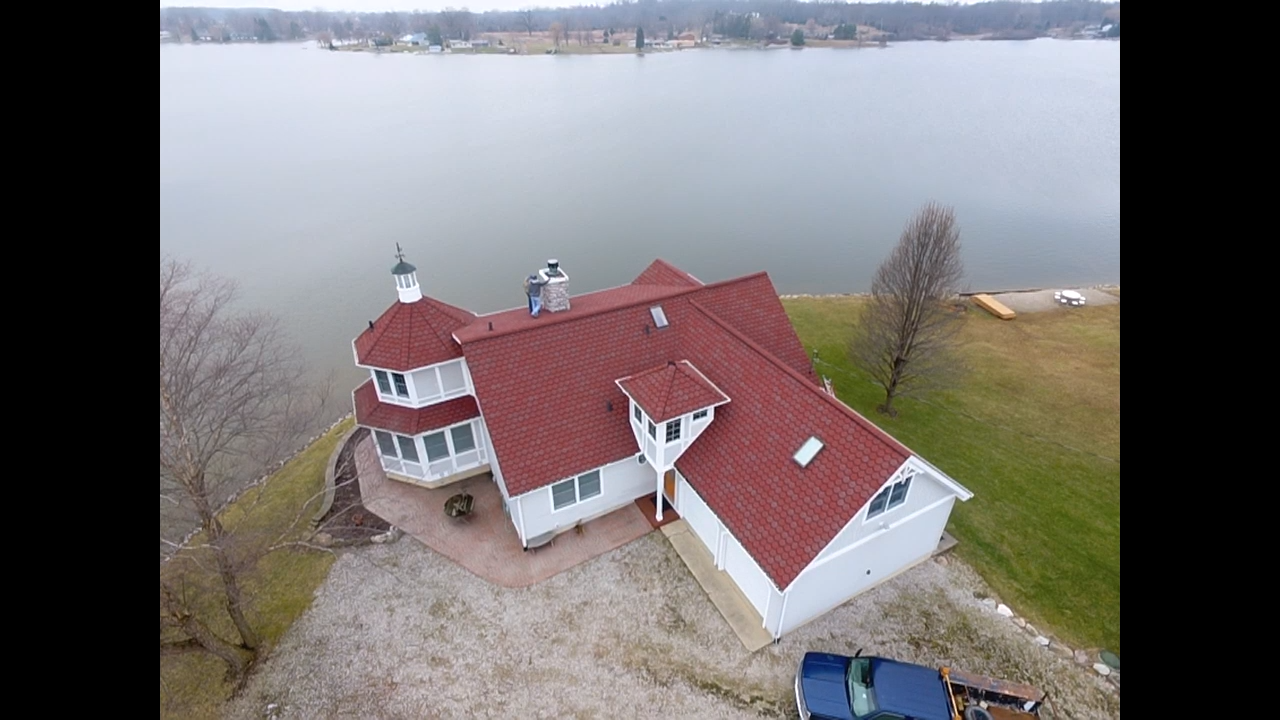
For remote lake house and vacation property owners, documentation is especially valuable. If you cannot get to the property immediately, timely photos, a written condition report, and regular project updates give you a much clearer picture of what happened and what needs attention. They also help distinguish new storm damage from existing wear.
Repairs Are Being Reviewed More Closely
Insurers commonly separate sudden, accidental damage from maintenance-related issues. Wind may tear shingles from an otherwise serviceable roof, while long-term granule loss, aging sealant, or an old flashing failure may not receive the same coverage consideration. The details of a policy and the circumstances of the loss matter.
This is why an honest inspection is so important. Property owners deserve to know whether a repair is practical, whether replacement is the better long-term choice, and which portions of the work may fall under an insurance claim. A dependable contractor should not promise coverage before the carrier makes its decision. Instead, they should provide accurate information that supports the claim process and helps the owner make a sound decision.
Faster Mitigation Is Becoming More Important
A small opening in a roof can become a much larger restoration project after one heavy rain. Water can travel beyond the visible stain, affecting insulation, ceiling materials, framing, flooring, and electrical systems. Carriers expect reasonable steps to prevent additional damage after a loss, and property owners benefit from acting quickly as well.
Temporary roof covering, water removal, debris cleanup, and securing broken windows or damaged siding are not cosmetic tasks. They are protective measures. The goal is to stop the condition from getting worse while a full scope is developed.
Fast mitigation should still be done carefully. A tarp installed improperly can trap water, damage shingles, or create a safety concern. The right response depends on the structure, weather conditions, roof pitch, and the size and location of the damage. For a commercial building, protecting operations and safely managing access may be just as urgent as the repair itself.
Material Choices Are Shaping Restoration Decisions
Restoration does not always mean putting back the exact same materials without discussion. When a roof, siding section, or exterior feature has sustained substantial damage, owners often use the opportunity to consider durability, appearance, maintenance, and future storm resistance.
Asphalt shingles remain a practical choice for many homes because they provide reliable protection at a range of price points. However, some owners dealing with repeated wind exposure or planning to stay in a property for decades may consider metal roofing. Standing seam metal roofing can offer long service life, clean lines, and strong performance when properly designed and installed.
The best material is not automatically the most expensive one. A lake house may need a system suited to wind, snow, and periods when the owner is away. A historic home may require careful attention to appearance. A commercial property may prioritize drainage details, service access, and minimal interruption to operations. Restoration decisions should fit the building and the owner’s plans, not just the immediate claim.
Matching Existing Materials Can Be Complicated
Color and material matching has become a more frequent concern as products change and older materials become unavailable. Sun exposure, age, and weathering can make even a current product look different from an existing roof or wall.
Sometimes a targeted repair is the sensible answer. In other cases, a noticeable mismatch or the condition of surrounding materials may lead to a broader replacement discussion. The claim decision rests with the insurer and policy language, but a detailed contractor assessment can explain why a repair may or may not create a consistent, durable result.
Skilled Labor and Project Coordination Matter More Than Ever
Insurance restoration often requires more than one trade. A wind event may involve roofing, gutters, siding, trim, interior drywall, insulation, and painting. Water damage can affect structural components and finishes well beyond the initial leak. Fire restoration may require repairs to framing, roofing, exterior cladding, and interior spaces.
Coordinating that work under a clear plan reduces confusion and helps prevent missed details. A roofing-only approach may solve the visible problem but overlook damaged sheathing, ventilation concerns, or related exterior repairs. On the other hand, a full rebuild is not always necessary. The right scope should be based on the actual condition of the property.
This is where established local contractors bring real value. Carbon Construction Company combines roofing experience with broader construction and remodeling capabilities, allowing damaged properties to be evaluated as complete structures rather than as a single repair line item. That can be particularly helpful when a storm claim reveals an opportunity to correct an older issue or complete a needed exterior improvement at the same time.
Communication Is Part of the Restoration Work
A claim can involve the property owner, insurance adjuster, contractor, mortgage company, property manager, and sometimes tenants. Clear communication keeps the process moving. Owners should expect straightforward explanations of the damage, proposed repairs, material choices, scheduling, and any work that falls outside the approved claim.
It also helps to keep a simple record. Save claim numbers, adjuster contact information, inspection notes, photos, estimates, invoices, and correspondence. If additional damage is uncovered after work begins, ask for the finding to be documented before authorizing changes. Hidden damage does happen, especially after water intrusion, but it should be explained clearly.
Be cautious of contractors who arrive immediately after a major storm and pressure you to sign before you have had time to review their information. Urgent protection work may be necessary, but a large repair agreement deserves careful attention. Check credentials, ask who will manage the project, and make sure the scope is written in terms you understand.
How Property Owners Can Prepare Before Damage Happens
Preparation makes a stressful situation more manageable. Review your policy before storm season and understand your deductible, roof settlement terms, and any coverage limits that may apply. Keep photos of your property’s exterior and major interior spaces, especially after a renovation or roof replacement.
Routine maintenance also matters. Clean gutters, inspect roof penetrations, trim hazardous limbs, and address small leaks before they become major issues. Maintenance cannot prevent every loss, but it reduces the chance that a storm will exploit an existing weak point.
For vacation homes, arrange for regular property checks and make sure a trusted local contact can report damage promptly. A few hours can make a meaningful difference when water is entering an unoccupied building.
When damage occurs, focus first on safety and protecting the property from further loss. Then choose a contractor who will give you a clear assessment, a detailed scope, and the steady communication needed to move from disruption to a well-finished repair.


Comments