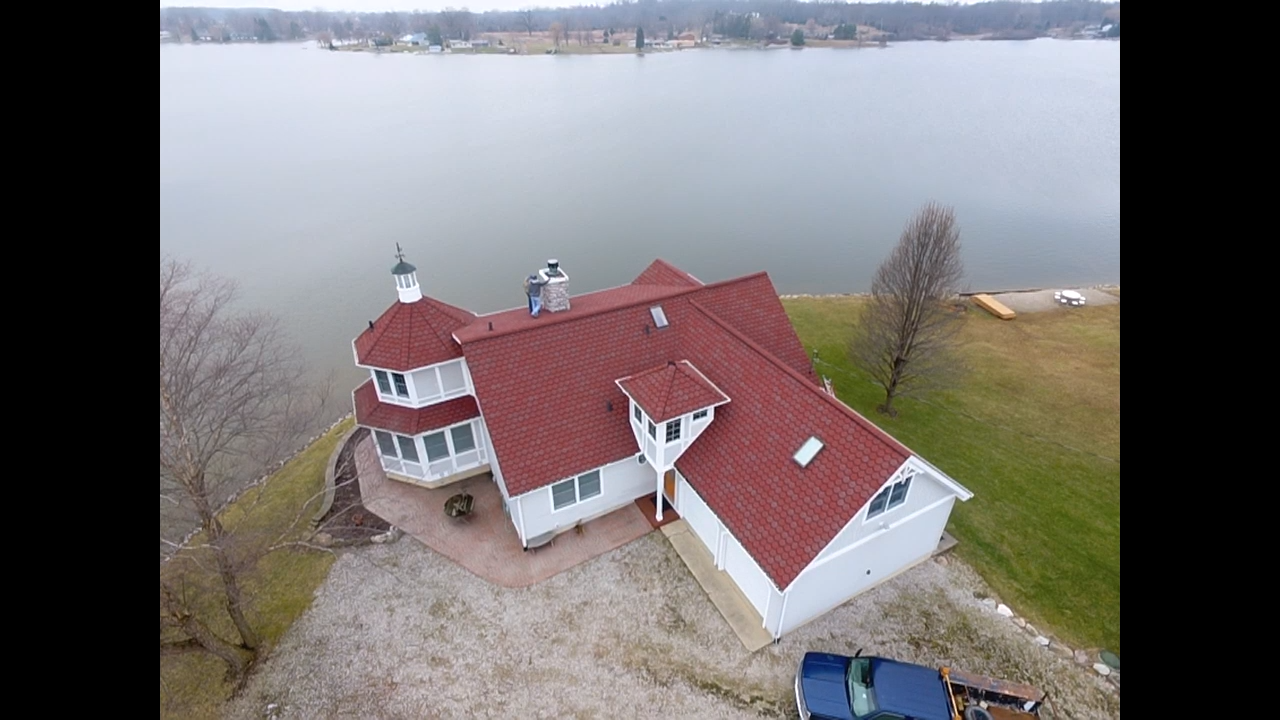


Roof Leak Signs Checklist for Homeowners

A roof leak rarely announces itself with a steady drip in the middle of the floor. More often, it starts with a faint ceiling stain after a hard rain, a musty smell in an upstairs room, or a wet spot that seems to disappear when the weather clears. This roof leak signs checklist can help you recognize trouble early, before a small opening becomes damaged insulation, rotted framing, mold growth, or an interior repair.
For property owners in southern Michigan, northern Indiana, and Northwest Ohio, timing matters. Wind-driven rain, ice buildup, heavy snow, and summer storms can expose weak areas in a roof quickly. A careful look inside and outside your property can tell you whether you need to monitor an issue, schedule an inspection, or take immediate steps to limit damage.
Roof Leak Signs Checklist: What to Look for Indoors
The inside of your home or building often provides the first reliable clue. Water does not always appear directly below the damaged area of the roof. It can travel along decking, rafters, pipes, wiring, or insulation before it reaches a ceiling or wall surface.
Start by checking rooms below the roofline, upper-floor ceilings, closets, and attic access areas. Look for these signs:
Brown, yellow, or gray rings on ceilings or walls, especially stains that grow after rain or snowmelt.
Peeling paint, bubbling drywall, soft wall surfaces, or cracked ceiling texture.
A damp, musty odor in an attic, bedroom, hallway, closet, or storage space.
Water dripping from a light fixture, ceiling vent, or smoke detector area.
Sagging drywall or a ceiling area that feels soft or looks swollen.
Mold or mildew on attic sheathing, insulation, or interior surfaces.
A single old stain is not always proof of an active leak. It may be leftover evidence from a past repair. The question is whether it is damp, expanding, or returning after weather events. If you are unsure, take a dated photo and check it again after the next rain.
Check the Attic Carefully
If your attic is safely accessible, inspect it during daylight hours and again after a rainstorm if possible. Look for darkened roof decking, damp insulation, rusty nail tips, or water marks on rafters. A beam of daylight coming through the roof deck is an obvious warning sign, but many leaks are too small to show that clearly.
Do not step on exposed ceiling drywall, and avoid disturbing wet insulation. If there are electrical concerns, a sagging ceiling, or visible active dripping, stay out of the area and call a professional. Water and wiring are never a do-it-yourself combination.
Exterior Warning Signs of a Roof Leak
Exterior clues can point to the source, though finding the exact entry point takes experience. The location of an interior stain may be several feet away from where water enters, particularly on sloped roofs or around penetrations.
From the ground, use binoculars if needed rather than climbing onto the roof. Watch for missing, cracked, curled, or lifted shingles. Granules collecting heavily in gutters or at downspout exits can also indicate aging asphalt shingles, although some granule loss is normal on a newer roof.
Pay close attention to flashing. Metal flashing is installed where the roof meets a chimney, wall, skylight, vent pipe, or valley. Loose flashing, cracked sealant, rust, gaps, or bent sections can all allow water beneath the roofing material. Roof penetrations and transitions are common leak locations because they require precise installation and ongoing maintenance.
On metal roofs, look for loose or missing fasteners, damaged seams, lifted trim, deteriorated sealant, and areas where branches or debris may have scratched the finish. Standing seam metal roofing has fewer exposed fasteners than some metal systems, but it still depends on properly detailed seams, flashings, and penetrations.
Also inspect gutters and the ground around the building. Overflowing gutters, clogged valleys, or downspouts that dump water next to the foundation can create moisture problems that look like roof leaks. The repair approach depends on the cause, which is why a full inspection is more useful than simply adding caulk where water is visible.
Signs That Often Get Mistaken for a Roof Leak
Not every water stain starts at the roof. Condensation from inadequate attic ventilation, a leaking plumbing line, a failed bathroom exhaust vent, masonry moisture, ice dams, or a poorly sealed window can create similar symptoms. In commercial buildings, rooftop mechanical units and drain systems can add other possible sources.
A useful clue is the timing. Damage that worsens during or shortly after rainfall is more likely connected to the roof, flashing, gutters, or exterior wall details. Moisture that appears after showers, laundry use, or changes in indoor temperature may point elsewhere.
Ice dams deserve special attention in our region. They form when snow melts on a warm roof surface and refreezes near the colder eaves. Water can then back up under shingles and enter the home. Removing visible ice alone may not solve the underlying issue. The roof, attic insulation, air sealing, and ventilation may all need to be evaluated.
When a Leak Needs Immediate Attention
Some warning signs should not wait for a convenient appointment. Active water near electrical fixtures, a visibly sagging ceiling, water entering a finished living space, or widespread wet insulation calls for prompt action. Move furniture and valuables away from the area, place containers under drips when safe, and avoid puncturing a ceiling unless you understand the risks and can do so safely.
If a storm has removed shingles, damaged metal panels, or torn flashing, temporary protection may be needed to prevent further water intrusion. Document visible damage with photos for your records and insurance claim, but do not delay reasonable emergency measures while waiting for an adjuster. A qualified contractor can help identify storm-related damage, provide a clear scope of work, and support the documentation process.
For a vacation property or lake house, remote monitoring is especially valuable. Ask a neighbor, caretaker, or local contractor to check the attic and interior after severe weather. A small issue left unnoticed through a wet season can become a much larger restoration project by the time an owner returns.
What to Do After You Find a Possible Leak
First, make note of where and when you saw the problem. Photos of stains, wet materials, exterior damage, and weather-related changes give a roofing professional useful context. If conditions are safe, check whether gutters are blocked by leaves or debris, but do not try to diagnose a roof from a ladder in poor weather.
Next, schedule a professional roof inspection. A dependable inspection should look beyond the obvious stain to assess shingles or metal panels, flashing, valleys, vent boots, skylights, gutters, attic conditions, and nearby siding or wall transitions. The best repair is one that addresses the source of the water, not just the interior mark it left behind.
It also helps to discuss the age and overall condition of the roof. A localized repair can be a sensible, cost-effective answer when the surrounding system is in good shape. If the roof has widespread wear, recurring leaks, storm damage, or failing details in several areas, a replacement may offer better long-term value. There is no one answer for every property.
Carbon Construction Company works with homeowners and property owners who need clear answers, timely roofing work, and dependable communication when water damage puts a property at risk. Whether the concern turns out to be a minor flashing repair or a broader roofing and restoration need, early action gives you more options and helps protect the investment you have worked hard to maintain.
A ceiling stain may look small, but it deserves a closer look. Pay attention after storms, check your attic when conditions allow, and arrange an inspection before the next stretch of hard weather turns a manageable repair into a larger disruption.


Comments