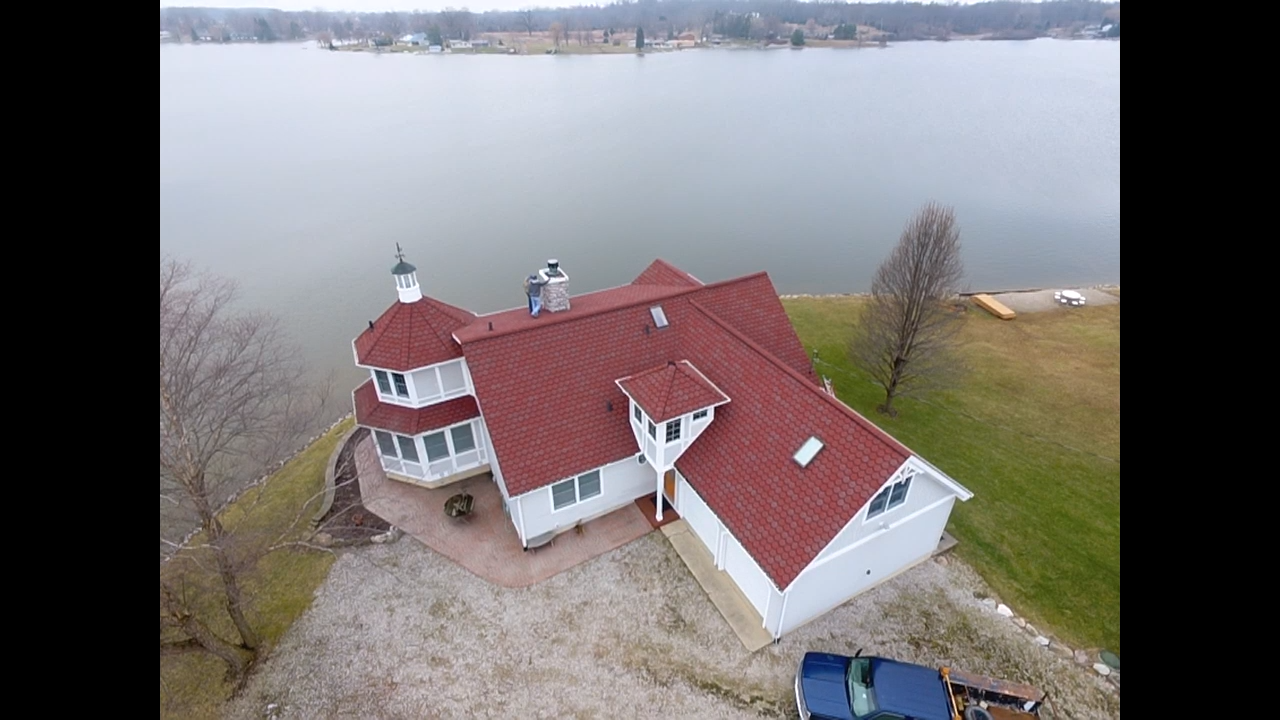


A Guide to Remodeling Vacation Properties

A vacation property should feel ready when you arrive, not like a list of repairs waiting for your attention. A thoughtful guide to remodeling vacation properties starts with that reality: lake homes, cabins, and seasonal houses need improvements that hold up through changing weather, long periods without occupancy, visiting family, and the extra wear that comes with a place everyone loves to use.
For owners who live out of town, the challenge is not simply choosing new finishes or adding a room. It is finding the right order of work, setting a clear scope, and working with a contractor who communicates consistently while the property is empty. Good planning protects both the home and the time you intended to spend enjoying it.
Start With Protection Before Appearance
Many vacation-home owners would like to begin with a new kitchen, an updated bathroom, or a larger gathering space. Those can be worthwhile investments, but exterior and structural needs should come first. A leaking roof, failing siding, damaged flashing, poor drainage, or an unprotected deck can turn an interior remodel into an expensive repair.
Begin with an honest assessment of the property envelope: the roof, gutters, siding, windows, foundation drainage, porches, and deck framing. This is especially important around the lakes of southern Michigan and northern Indiana, where homes may face heavy rain, snow loads, high winds, humidity, and freeze-thaw cycles. A material that looks good on day one is not necessarily the right material for a home that may sit vacant for weeks at a time.
Roofing deserves careful attention. A dependable roofing system protects every other improvement below it. If the roof is approaching the end of its service life, replacing it before finishing ceilings, walls, or insulation is usually the smarter sequence. Depending on the home, a standing seam metal roof may offer long-term durability and low maintenance, while quality asphalt shingles can be an excellent fit for budget, style, and existing construction. The right choice depends on the roof design, exposure, surrounding trees, and the owner's long-term plans.
Build a Remodeling Plan Around How You Use the Home
A primary residence and a vacation property are not used the same way. Vacation homes often need to accommodate more guests, more gear, wetter clothing, and more activity in a smaller window of time. The best remodeling decisions come from considering how the property functions on a busy summer weekend, not only how it looks when empty.
Think through arrival, hosting, sleeping, cooking, and departure. Is there enough room near the entry for shoes, towels, life jackets, and bags? Can several people move through the kitchen without creating a bottleneck? Are bathrooms sized and located for guests? Does the outdoor space make it easier to enjoy the view, grill dinner, or gather after a day on the water?
A room addition, enclosed porch, deck expansion, garage, or storage building can bring more practical value than a cosmetic update if the existing layout no longer works. On the other hand, an addition can affect setbacks, drainage, utilities, and permit requirements. A contractor should help determine what is realistic before design decisions become expensive promises.
Prioritize the Improvements That Reduce Ongoing Work
For a second home, convenience has real value. Owners may appreciate finishes that are attractive, but they usually benefit even more from choices that reduce maintenance between visits. Durable flooring, moisture-resistant wall finishes, easy-to-clean shower materials, protected exterior trim, and properly installed decking can make the property easier to care for year after year.
Storage is another frequently overlooked improvement. Built-in cabinets, a dedicated utility closet, garage organization, and secure space for seasonal equipment keep the living areas from becoming cluttered. If the home is used by extended family or rented occasionally, clearly organized storage also makes turnover easier.
Do not assume the most expensive option is automatically the most durable. Some materials require specialized care, while others are designed for practical, high-use spaces. The best fit depends on the amount of sun exposure, whether pets and children regularly use the home, how often the property is occupied, and how much upkeep the owner wants to handle.
Make the Scope Clear Before Construction Begins
A detailed scope is one of the strongest protections a property owner has. It should describe the work in plain language, identify key materials, clarify what is included, and address the conditions that may affect cost or schedule. Drawings are particularly helpful for additions, major layout changes, porches, garages, and projects involving structural work.
Older cottages and lake houses can reveal surprises after walls or roofing are opened. Water damage, outdated wiring, inadequate framing, hidden rot, or previous repairs may need attention before new work can proceed. That does not mean a project is poorly planned. It means the contractor should explain possible unknowns early, document discoveries clearly, and provide options before moving forward.
A realistic budget should include more than the visible upgrade. Consider permits, demolition, disposal, utility changes, site access, structural repairs, and a contingency for concealed conditions. It is usually better to phase a project thoughtfully than to stretch the budget so tightly that critical repair work gets postponed.
Plan for Remote Ownership and Clear Communication
Remote owners need more than occasional updates. They need confidence that someone is watching the details while they are away. Before work starts, establish how communication will happen, who will make decisions if questions arise, and how changes will be approved.
For many vacation-property projects, web-based communication, photos, written updates, and a single point of contact make a major difference. Regular progress photos can help an owner see completed roofing work, framing, siding installation, or interior progress without having to make repeated trips to the property. Clear documentation is also useful if the work involves an insurance claim after wind, water, or fire damage.
Access and security should be discussed as well. A vacant property may need arrangements for keys, gate codes, utility access, deliveries, and protection of materials. If a project will continue through changing weather, the contractor should explain how the home will be secured and protected at the end of each workday.
Schedule Around Weather, Access, and Your Time at the Lake
Timing is often more complicated for vacation properties than for full-time homes. Owners may want work completed before summer, but spring weather can delay exterior construction. Some projects are better suited for the off-season, particularly interior remodeling, while roofing, siding, decks, and additions depend more heavily on site conditions and weather.
Access can also affect the schedule. Narrow drives, steep lots, mature trees, limited parking, waterfront setbacks, and septic systems may all influence equipment placement and material delivery. Discuss these factors before construction begins, not after a crew arrives on site.
If the property will be used during the project, be direct about that expectation. Some work can be phased to preserve access to part of the home. Other projects, especially major renovations or restoration work, are safer and faster when the home is vacant. A dependable contractor will be honest about the trade-off rather than promising an unrealistic timeline.
Choose a Contractor With the Right Range of Experience
Vacation-property remodeling often crosses several trades. A new roof may lead to siding repairs. A porch project may require framing, electrical work, drainage planning, and roofing integration. A water-damage repair may uncover the need for structural restoration before cosmetic work can begin.
That is why it helps to work with a contractor who understands both exterior protection and broader construction. Carbon Construction Company brings roofing knowledge together with remodeling, additions, decks, garages, and restoration services, helping owners coordinate related work under a clear plan rather than managing disconnected projects themselves.
Ask practical questions before selecting a contractor. How will the scope be documented? Who will oversee the work? How are changes handled? What updates can an out-of-town owner expect? Are permits and inspections part of the plan? Straight answers to these questions often say more about a contractor's reliability than a sales presentation.
A vacation home is where family traditions take shape, whether that means quiet mornings on the porch, holiday weekends, or a full house after a day at the lake. Plan the remodel around protecting that time, and choose improvements that will keep serving the property long after the work is finished.


Comments