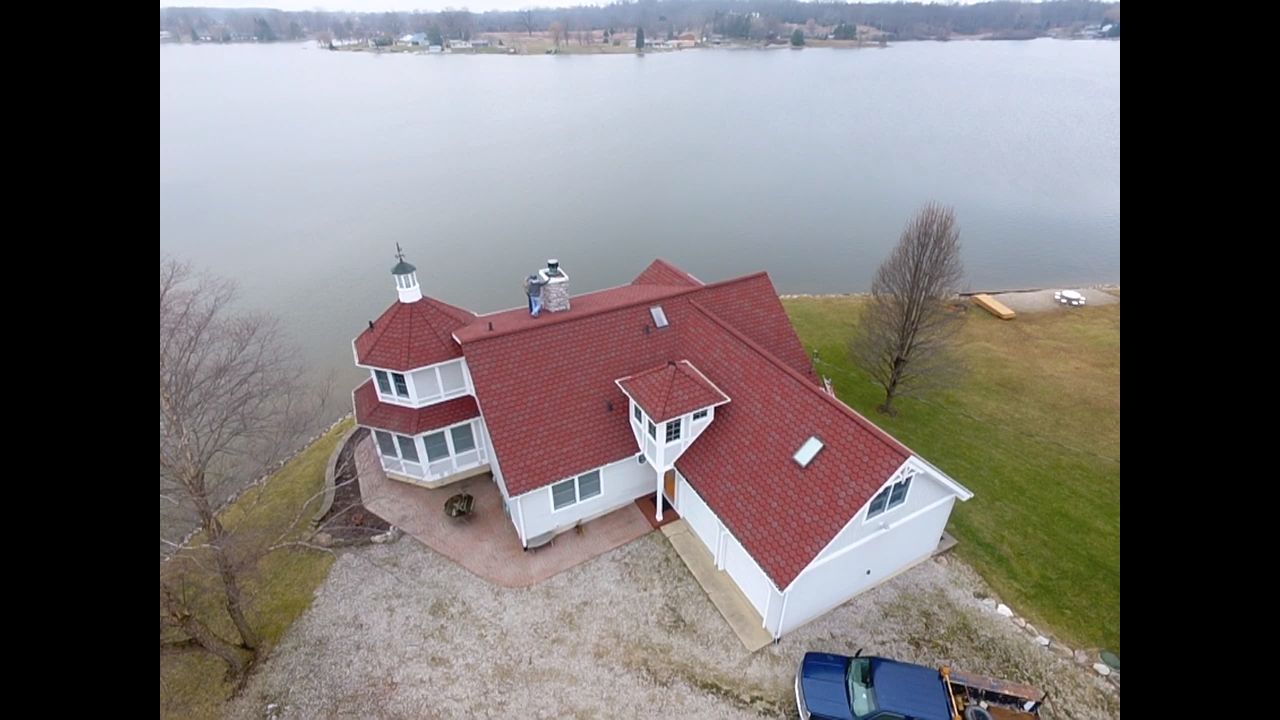


A Practical Guide to Commercial Roof Inspections

A small roof issue can become a business interruption faster than many property owners expect. A blocked drain, lifted seam, or damaged flashing may look minor from the ground, but repeated rain, snowmelt, and freeze-thaw cycles can push water into insulation, decking, ceilings, and tenant spaces. This guide to commercial roof inspections explains what to look for, when to schedule an inspection, and how to turn what you find into a sensible maintenance plan.
For commercial property owners and managers in southern Michigan, northern Indiana, and Northwest Ohio, roof inspections are not simply a maintenance chore. They are a way to protect the building, avoid avoidable emergency repairs, and make better decisions about repair versus replacement.
When to Schedule Commercial Roof Inspections
Most commercial roofs should be professionally inspected at least twice a year, usually in the spring and fall. Spring inspections identify problems left behind by snow loads, ice, wind, and fluctuating temperatures. Fall inspections help prepare the roof and drainage system for another winter.
A roof should also be inspected after a major weather event. High winds can loosen metal panels, edge flashing, fasteners, and rooftop equipment details. Hail can damage membranes, coatings, seams, and metal surfaces in ways that are not always obvious from the ground. Heavy rainfall may expose drainage or ponding problems that have been developing for months.
The right schedule depends on the roof type, the age of the system, tree cover, rooftop traffic, and the building's use. A newer standing seam metal roof may need fewer repairs than an older low-slope system, but it still needs regular review of penetrations, seams, gutters, and flashings. A building with HVAC units or frequent service activity on the roof often deserves closer attention because foot traffic can create damage around equipment.
What a Commercial Roof Inspection Should Cover
A useful inspection is more than a quick look at the roof surface. It should examine the entire system that keeps water moving away from the building.
Roof Surface and Material Condition
The inspector begins by reviewing the visible condition of the roofing material. On low-slope roofs, this may include looking for blisters, splits, punctures, open seams, worn coatings, and areas where water collects. Ponding water is not always an immediate failure, but standing water that remains long after rainfall can accelerate wear and point to drainage or structural concerns.
On metal roofing, the focus shifts to panel condition, fasteners, seams, sealants, rust, scratches, and movement around transitions. Metal roofs are durable and long-lasting, but they depend on properly detailed connections. A loose fastener or failed sealant at a penetration can allow water into places that are difficult to see until interior damage appears.
Inspectors also look for signs of aging that may affect the roof's remaining service life. A repairable issue is very different from widespread material breakdown. Knowing the difference helps owners avoid replacing a roof prematurely while also avoiding repeated patchwork on a system that is nearing the end of its useful life.
Flashing, Edges, and Penetrations
Many roof leaks begin at the details, not in the middle of the roof field. Flashing around walls, vents, skylights, pipes, HVAC curbs, chimneys, and other penetrations needs careful attention. These areas are exposed to movement, temperature changes, and water flow from several directions.
The roof perimeter matters as well. Inspectors check coping, edge metal, gutters, downspouts, scuppers, and transition points. Wind often places extra stress on roof edges, especially during Michigan and Indiana storms. Loose edge details can become a water-entry point and, in severe cases, lead to larger sections of roofing material lifting.
Drainage and Debris
A roof is designed to shed water, but that process only works when drains and drainage paths stay clear. Leaves, branches, sediment, nesting materials, and stray construction debris can block drains and scuppers. On a flat or low-slope roof, even a partial blockage can leave water sitting where it should not.
During an inspection, drains should be checked for clogs and the surrounding roof area should be reviewed for signs of standing water, algae, or sediment lines. Gutters and downspouts should be securely attached and directed away from the building foundation. If drainage problems recur, cleaning alone may not be enough. The roof's slope, drain placement, or surrounding site conditions may need further evaluation.
Interior Warning Signs
A complete commercial roof inspection includes a look inside the building when access allows. Ceiling stains, peeling paint, wet insulation, musty odors, mold growth, and discolored wall surfaces may indicate a roof leak, but they can also come from plumbing, HVAC condensation, or wall leaks.
That is why diagnosis matters. Water can travel a long way from the point where it enters the roof to the place where it becomes visible indoors. A qualified contractor should trace the likely source instead of treating every interior stain as a simple roofing problem.
Why Documentation Matters for Property Owners
Every inspection should produce clear documentation. At a minimum, keep the inspection date, photographs, locations of concerns, repair recommendations, and notes about conditions that should be monitored. This record gives owners and property managers a history of the roof rather than a collection of disconnected repair invoices.
Documentation is especially valuable after storm damage. Photos and timely professional observations can support an insurance claim, establish when damage was first identified, and help distinguish storm-related conditions from long-term wear. It also gives an owner a more reliable basis for planning capital expenses.
For remote owners, including lake house owners and investors who are not at the property every week, detailed updates can provide needed peace of mind. A well-organized report should explain what was found, how urgent it is, and whether action is recommended now, later in the season, or as part of a future replacement plan.
Repair, Maintenance, or Replacement?
An inspection should lead to a practical recommendation, not an automatic push toward replacement. Isolated flashing damage, a few failed fasteners, minor seam issues, or clogged drainage can often be repaired efficiently. Addressing those concerns early can add useful years to a roofing system.
Replacement becomes more reasonable when problems are widespread, leaks are recurring in multiple areas, the existing material has reached the end of its service life, or repair costs are mounting without solving the underlying issue. The building's future also matters. If an owner plans an addition, equipment upgrade, solar installation, or major remodel, coordinating that work with roofing decisions can prevent duplicated labor and disturbed new materials.
Cost should be considered over time, not just on the day an estimate is received. The least expensive repair is not always the best value if it must be repeated every season. On the other hand, replacing a roof with remaining service life may not be the right financial decision. A straightforward inspection report helps make that trade-off clearer.
Questions to Ask Your Roofing Contractor
Before approving work, ask what was found, what caused it, and what could happen if the repair is delayed. Ask whether the issue is isolated or part of a larger pattern. You should also understand how the repair will tie into the existing roof system and whether the work includes photos or written documentation.
For a commercial property, communication is part of the service. The contractor should explain how work will affect tenant access, parking, noise, safety, and daily operations. If damage is weather-related, ask whether the contractor can help document the conditions for your insurance carrier.
Carbon Construction Company approaches inspections with the same practical mindset used on roofing, restoration, and construction projects across the region: identify the problem accurately, explain the options clearly, and recommend work that fits the property's real needs.
A commercial roof rarely fails without giving some warning. Scheduling an inspection before the next hard rain, windstorm, or winter freeze gives you the opportunity to address those warnings on your terms, with a plan that protects both the building and the people who depend on it.


Comments