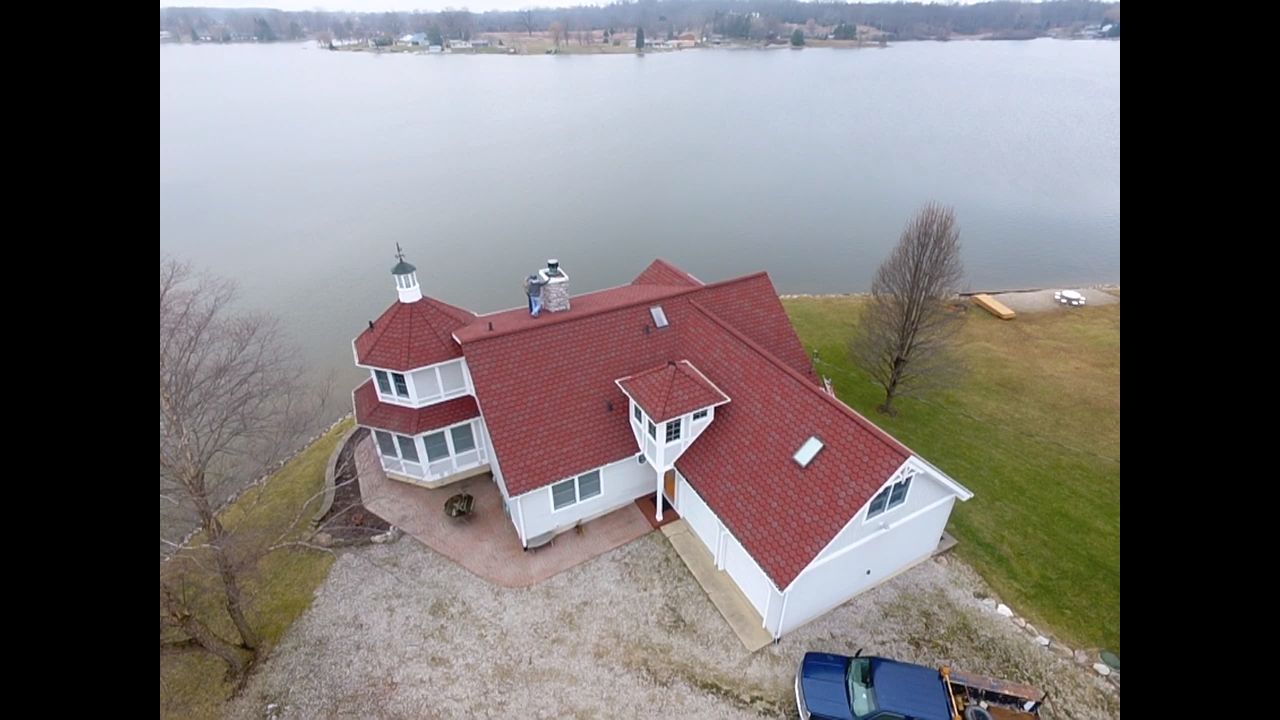


Asphalt Shingle Upgrades That Protect Your Home

A new roof is more than a fresh layer of shingles. The right asphalt shingle upgrades can make a meaningful difference in how your home stands up to wind, rain, snow, ice, and the changing seasons we see across southern Michigan, northern Indiana, and Northwest Ohio. They can also improve curb appeal, extend roof performance, and help prevent the small problems that become expensive repairs.
For many homeowners, the basic shingle is only one decision in a much larger roofing system. Underlayment, ventilation, flashing, starter shingles, ridge caps, and shingle design all work together. Choosing where to invest depends on your roof’s condition, the home’s location, your long-term plans, and what matters most to your family.
Start With the Shingles Themselves
Architectural shingles are one of the most common and practical asphalt shingle upgrades. Unlike traditional three-tab shingles, architectural shingles have a thicker, layered appearance that gives the roof more dimension. They are often available in a wider range of colors and can complement both older farmhouses and newer homes.
The appearance is not the only advantage. Many architectural shingles offer improved wind resistance and a longer expected service life than entry-level three-tab options. That does not mean every architectural shingle is the same. Product quality, installation method, roof pitch, attic ventilation, and local weather exposure all affect performance.
For homeowners planning to stay in the home for years, a higher-quality architectural shingle is often a sensible investment. For a rental property, a home being prepared for sale, or a roof with a limited budget, a dependable standard option may make more financial sense. A clear estimate should explain the difference so you can make the decision with confidence.
Consider Impact-Resistant Shingles for Storm-Prone Areas
Hail and wind-driven debris can damage even a newer roof. Impact-resistant asphalt shingles are designed to better withstand strikes that may crack, split, or bruise standard shingles. They can be a strong consideration for exposed rural properties, lake homes, and houses surrounded by mature trees.
These shingles usually cost more upfront, so they are not automatically the best choice for every roof. Still, homeowners who have dealt with repeated storm claims or repairs may find the added protection worthwhile. Some insurance policies may offer benefits for qualifying impact-resistant materials, but coverage and discounts vary. It is wise to confirm details directly with your insurance provider before making a decision based on a possible discount.
Upgrade the Water Protection Beneath the Roof
Shingles are the visible part of the roof, but much of the protection happens underneath them. Proper underlayment creates a secondary barrier against moisture that gets past the outer shingle layer during severe weather.
Synthetic underlayment is a common upgrade from basic felt. It is typically stronger, lighter, and more resistant to tearing during installation. It can provide reliable protection while the roofing work is underway and adds another layer of defense beneath the finished shingles.
Ice and water shield is especially valuable along roof edges, valleys, around penetrations, and other vulnerable areas. In our climate, snow can melt and refreeze near the eaves, creating ice dams. When water backs up under shingles, it can find its way into decking, insulation, ceilings, and walls. Installing protection in the right locations helps reduce that risk.
A good roofing contractor will assess more than the square footage of your roof. They should look at eave depth, roof valleys, chimneys, skylights, wall transitions, and the history of leaks or ice buildup. Those details determine where enhanced protection will deliver real value.
Do Not Overlook Flashing and Roof Penetrations
Most roof leaks do not begin in the open field of shingles. They often start where the roof changes direction or meets another material. Chimneys, plumbing vents, skylights, dormers, valleys, and sidewalls all need carefully installed flashing.
Upgrading flashing materials and installation methods is one of the most practical decisions a property owner can make. Damaged, reused, or poorly integrated flashing can undermine an otherwise high-quality shingle roof. On older homes, it may be necessary to address hidden deterioration around a chimney or wall before the new roofing system goes on.
This is also where experience matters. Roofing is not simply a matter of removing old shingles and putting on new ones. Proper integration with siding, masonry, gutters, trim, and ventilation components protects the home as a whole. If a roof project reveals damaged decking or water-stained framing, addressing it correctly is better than covering it and hoping the issue does not return.
Improve Ventilation for a Longer-Lasting Roof
Attic ventilation is often invisible to homeowners, but it has a direct impact on roof performance. A balanced system allows air to enter near the soffits and exit near the ridge. This helps reduce excessive heat and moisture in the attic.
During summer, trapped attic heat can raise cooling costs and place additional stress on shingles. During winter, moisture from daily living can collect in the attic, contributing to condensation, mold growth, and wood deterioration. Poor ventilation can also contribute to uneven snow melt and ice dam concerns.
Ridge vent systems are a popular upgrade because they provide continuous exhaust along the roof peak and are less noticeable than many box-style vents. However, ridge vent is only effective when the roof has adequate intake ventilation at the eaves. Every home is different, particularly older properties with additions, cathedral ceilings, or complex rooflines. The best approach is based on an evaluation of the entire attic and roof system, not a one-size-fits-all recommendation.
Add Curb Appeal With Color and Design
A roof makes up a large portion of what people see from the street. Choosing a shingle color and profile that fits the home can improve its appearance immediately. Modern asphalt shingles offer blends that range from warm browns and weathered grays to deeper charcoal and black tones.
Color should work with the siding, brick, stone, trim, and surrounding landscape. A very dark roof can create a bold, clean look, but it may show dust and fading differently than a medium blended color. Lighter shades can soften the appearance of a larger roof. Homes near lakes, open fields, or wooded areas may also look different in changing natural light.
Designer shingles can provide more dramatic texture and a higher-end appearance, sometimes resembling slate or wood shake. They can be a good fit for distinctive homes where appearance is a major priority. Their cost is higher, and they may not be necessary for every property, but they can be a worthwhile choice when the roof is a central part of a larger exterior renovation.
Choose Accessories That Complete the System
A strong roof installation includes the components that secure and finish it. Starter shingles help protect roof edges and improve resistance to wind uplift. Matching ridge cap shingles provide a finished look at the peaks while covering a critical transition point. High-quality fasteners and proper nailing patterns are equally important, especially in areas that experience strong wind.
Gutter condition should also be part of the conversation. New shingles cannot compensate for gutters that are loose, undersized, clogged, or draining water too close to the foundation. If roofing, siding, soffit, fascia, and gutters all need attention, coordinating the work can help create a more complete exterior solution and avoid redoing finished areas later.
For vacation homes and lake properties, these details deserve even more attention. A roof issue may go unnoticed when the owner is away, allowing a minor leak to cause larger interior damage. Clear project scopes, photo updates, and dependable communication help remote owners know their investment is being managed carefully.
Plan Upgrades Around the Roof’s Actual Needs
The best upgrade package is not necessarily the most expensive one. It is the one that addresses the risks and goals specific to your property. A newer home in a protected neighborhood may benefit most from architectural shingles, good ventilation, and quality underlayment. An older home with recurring ice dams may need focused improvements at the eaves, attic ventilation, and insulation planning. A storm-damaged roof may call for impact resistance and carefully documented work for an insurance claim.
At Carbon Construction Company, the goal is to help property owners understand those choices before work begins. A detailed inspection and straightforward estimate make it easier to prioritize the upgrades that will protect your home, fit your budget, and serve you well for years.
When you are ready to replace a roof, ask about the full system behind the shingles. A few well-chosen upgrades today can provide better protection through the next hard rain, heavy snow, and windy season.


Comments