

Vacation Property Renovation Management Tips

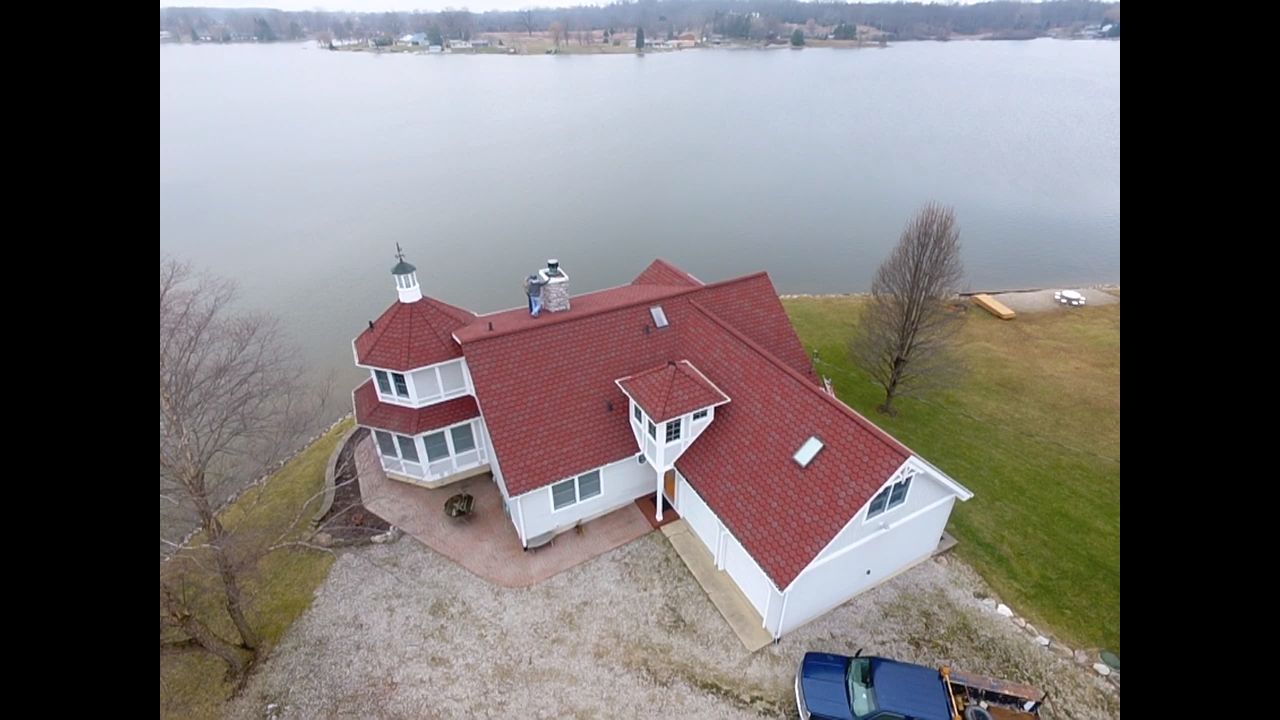
A lake house renovation can go sideways fast when the owner lives two hours away and the first real problem is discovered after demolition starts. What looked like a simple exterior refresh can turn into roof decking repairs, hidden water damage, outdated wiring, or structural issues around a porch or addition. That is why vacation property renovation management matters so much. When you are not on-site every day, the quality of the planning and the way the project is managed become just as important as the work itself.
For many vacation homeowners in southern Michigan, northern Indiana, and nearby Northwest Ohio, the challenge is not deciding what to improve. It is making sure the work is organized, documented, and completed by people who understand both construction and communication. A second home should be a place to enjoy, not a project that creates constant uncertainty from a distance.
What vacation property renovation management really involves
Good vacation property renovation management is more than scheduling crews and ordering materials. It starts with creating a realistic scope of work and continues through budgeting, sequencing, inspections, change decisions, and owner updates. On a remote property, every one of those steps carries more weight because quick in-person decisions are harder to make.
A well-managed project begins by defining the property's priorities. On a vacation home, the priorities are often different from a primary residence. Roof performance, weather protection, low-maintenance exterior materials, and durable finishes usually matter more than trendy details. If the home sits near water, moisture control, ventilation, drainage, and wind resistance deserve extra attention.
That practical approach can save money in the long run. Owners sometimes focus first on cosmetic upgrades because they are easier to picture. But if the roof is near the end of its life, the siding has moisture exposure, or the deck framing is showing age, those issues should move to the front of the line. A strong management process helps owners make those calls before dollars are spent in the wrong order.
Why remote renovations are harder than they look
Distance changes everything. A small delay that would be manageable at your primary home can become a major source of frustration when you are relying on phone calls, photos, and contractor updates. This is especially true if the property is seasonal and you are trying to complete work before summer weekends, fall guests, or winter weather.
The biggest risk is not always poor workmanship. Often, it is poor coordination. A project can suffer when nobody is actively connecting the roofing crew, framing team, electrician, siding installer, and finish trades. One missed measurement or one delayed delivery can affect the whole schedule.
There is also the issue of surprises. Vacation properties often have older additions, multiple remodel phases from past owners, or materials that have aged differently over time. A detached garage, screened porch, deck, or lakeside stair system may have been built in a different era and to a different standard than the main structure. That does not mean the work should stop. It means the project needs enough planning and oversight to absorb discoveries without turning into confusion.
The first step is a complete scope, not a rough idea
If you want a remote project to stay under control, start with details. A rough idea like "update the exterior" is not enough. The scope should clarify what is being repaired, replaced, or built, what materials are expected, what areas will be opened up, and what decisions need owner approval.
This is where drawings, measurements, and written descriptions make a real difference. They reduce misunderstandings and give everyone the same starting point. If a contractor says the deck will be rebuilt, the scope should address framing, stairs, railings, footings if needed, and surface materials. If the project includes roofing and siding, it should define where one scope ends and another begins.
That level of detail is not paperwork for its own sake. It protects the owner and the contractor alike. It also makes allowances and change orders easier to understand later if field conditions shift.
Why scope clarity matters even more on lake homes
Lake and vacation properties often have features that affect cost and timing, including difficult access, shoreline exposure, older outbuildings, and seasonal weather windows. Materials may need to be staged carefully. Deliveries may be slower. Crew access can be tighter than it would be on a standard suburban lot.
Those conditions should be addressed before the first day of work. When they are not, owners tend to feel like costs are growing for no reason. In reality, the project may simply be revealing site conditions that should have been accounted for from the start.
Communication should be built into the job
A remote owner should never have to chase updates. One of the clearest signs of strong vacation property renovation management is a communication system that is established before work begins. That usually means agreed update intervals, photo documentation, key decision points, and one consistent contact person.
Daily updates are not always necessary on every project. Weekly updates are often enough for a straightforward roof replacement or exterior repair. A larger remodel, addition, or restoration project may require more frequent communication, especially during demolition, framing, or insurance-related work. The point is consistency.
Photos matter because they show progress that words cannot fully capture. They also help remote owners understand why a recommendation is being made. If rotten fascia, compromised roof decking, or water-damaged framing is uncovered, photo documentation builds confidence that the added work is justified.
For some owners, web-based communication is the best fit because it keeps messages, approvals, and progress records in one place. That is especially helpful when spouses, siblings, or co-owners are involved. Fewer scattered texts and phone calls usually mean fewer missed decisions.
Budgeting for the project you have, not the one you hope for
Every owner wants a renovation to come in on budget. The best way to improve those odds is to accept early that older or weather-exposed vacation properties need contingency planning. That is not pessimism. It is responsible budgeting.
If the project touches roofing, exterior walls, windows, porches, or additions, there is always a chance that hidden conditions will appear once materials are removed. A contractor who pretends otherwise may sound reassuring at first, but that approach rarely ends well.
A better approach is to establish a base scope and discuss where extra costs are most likely. Maybe the roof replacement could reveal deck repair. Maybe the porch rebuild could expose footing issues. Maybe a siding replacement will require trim and flashing upgrades to perform correctly. Those are not scare tactics. They are normal construction realities.
Owners also need to separate true upgrades from necessary corrections. Choosing a premium roof system, larger deck, or upgraded finish package is one decision. Repairing structural damage or water intrusion is another. The first is elective. The second protects the property.
Timing matters because your season matters
A primary residence renovation can be inconvenient. A vacation property renovation can cost you the short window when you actually use the home. That is why scheduling should reflect the owner's calendar, not just crew availability.
If the property is heavily used in summer, exterior work may need to start in spring. If winter weather creates access or material challenges, the schedule may need to shift earlier. If rental income is part of the equation, downtime should be part of the planning conversation from day one.
There are trade-offs here. Fast scheduling is valuable, but speed should not come at the cost of sequencing. Roofing before interior work makes sense if weather protection is the priority. Structural repairs may need to happen before finish upgrades. Sometimes the best way to finish faster overall is to slow down and organize the early stages properly.
Choosing the right contractor matters more than choosing the lowest number
For remote owners, trust is not a soft factor. It is a project requirement. You need a contractor who can manage more than a single trade, identify issues early, explain options clearly, and follow through without constant supervision.
That matters even more when the project involves mixed scopes such as roofing, siding, porch work, additions, remodeling, or storm restoration. Hiring separate parties for each piece can work, but it often creates gaps in responsibility. When one company can handle both roofing expertise and broader construction management, coordination tends to improve.
In this region, many lake house and vacation property owners want exactly that kind of support - detailed scopes, practical recommendations, and updates they can trust when they are not standing on the jobsite themselves. That is a big reason companies like Carbon Construction Company have become a dependable choice for owners who need both craftsmanship and accountability.
The right fit is not always the contractor with the cheapest estimate or the fastest promise. It is the one who helps you understand the real condition of the property, builds a plan around your priorities, and communicates in a way that reduces uncertainty instead of adding to it.
A vacation home should feel easier to own once the renovation is done. If the management side is handled well from the start, you can spend less time worrying about what is happening at the property and more time looking forward to using it.


Comments