

How to Choose a Roofing Contractor You Can Trust

A roof rarely asks for attention at a convenient time. A windstorm pulls up shingles, a ceiling stain appears after a hard rain, or an aging roof reaches the point where another repair no longer makes financial sense. Knowing how to choose a roofing contractor before pressure sets in can protect your home, your budget, and your peace of mind.
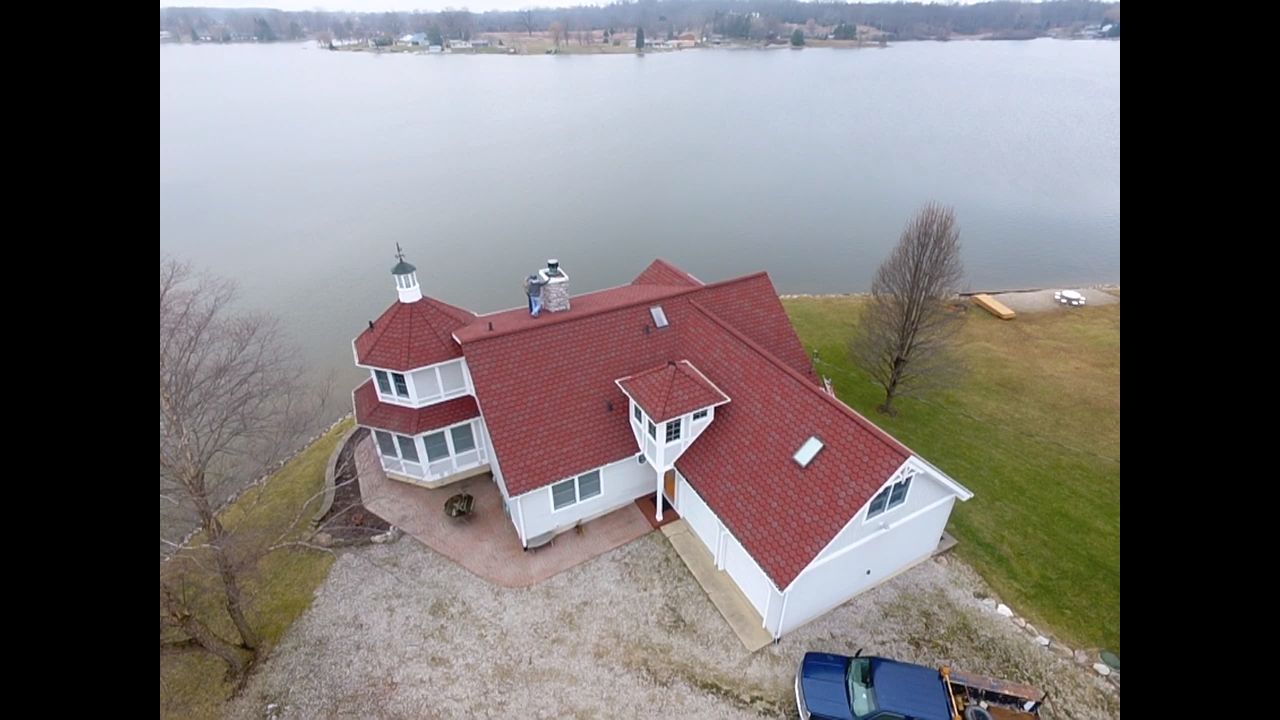
For property owners in southern Michigan, northern Indiana, and Northwest Ohio, the right contractor needs more than a truck and a ladder. They need the experience to recommend the right system for local weather, the organization to manage the work well, and the integrity to stand behind what they install. Whether you are replacing a roof on your primary home, overseeing a lake property from out of town, or maintaining a commercial building, these are the details that matter.
Start With Local Reputation and Relevant Experience
A contractor's reputation is built one project at a time, often over many years in the same communities. Ask how long the company has operated under its current name, where its crews regularly work, and whether it can provide recent local references. A company with established roots has more at stake than a contractor who appears after a storm and may be gone before the first warranty question arises.
Local experience also helps with practical decisions. Roofs in this region face snow loads, freeze-thaw cycles, high winds, heavy rain, ice dams, and summer heat. The right installation methods, ventilation approach, flashing details, and material choices should reflect those conditions. A contractor should be able to explain why a recommendation fits your building instead of offering the same package to every customer.
Experience should match the scope of your project. Replacing a straightforward asphalt shingle roof is different from installing a standing seam metal roof, repairing storm damage, reroofing a large commercial structure, or coordinating a roof replacement with siding, decks, or structural repairs. Ask specifically about work similar to yours. Photos can be useful, but clear answers about process, materials, challenges, and outcomes tell you more.
How to Choose a Roofing Contractor: Verify the Basics
Before comparing prices, confirm that each contractor meets the basic requirements to work responsibly on your property. This is not paperwork for paperwork's sake. It is protection against avoidable risk.
Ask for proof of current general liability insurance and workers' compensation coverage. If a worker is injured or your property is damaged, you want to know the contractor has the proper coverage in place. Do not assume it is included because a company has a professional-looking estimate or a strong social media presence.
Also ask who will perform the work. Some companies use dedicated crews, while others subcontract all or part of a project. Either arrangement can work when it is managed well, but you deserve a direct answer. Find out who supervises the installation, who handles cleanup, and who is responsible if a concern comes up during the job.
A dependable contractor should also provide a written contract that identifies the work to be completed. At minimum, it should address materials, color or finish, estimated schedule, payment terms, removal and disposal, protection of landscaping and property, and warranty information. If an item is unclear, ask before signing. A good contractor will welcome the conversation rather than rush you toward a deposit.
Look Beyond the Lowest Estimate
A low bid can be tempting, especially when a roof replacement was not planned. But estimates are only comparable when they describe the same work. One price may include complete tear-off, high-quality underlayment, new flashing, ventilation improvements, and cleanup. Another may leave some of those items out, use lower-grade materials, or rely on change orders later.
Review the scope line by line. If the roof deck is found to have damaged wood, how is that handled? Is ice-and-water protection included where appropriate? Are flashing details around chimneys, skylights, walls, and pipe penetrations being replaced or simply reused? What happens if the contractor finds concealed damage from a prior leak?
The goal is not to choose the most expensive estimate automatically. It is to understand what you are buying. A fair proposal is detailed enough that you can see the value behind the number and avoid surprises after work begins.
Financing may also be worth discussing if the project needs to happen now but paying all at once would strain your budget. The conversation should be straightforward, with clear terms and no pressure. A responsible contractor helps you weigh your options rather than using urgency to push a decision.
Pay Attention to Communication Before the Job Begins
The way a contractor communicates during the estimate process is often a preview of the project experience. Do calls get returned? Are questions answered directly? Does the estimator take time to inspect the roof and explain the findings? You should not have to chase basic information about a major investment.
Clear communication becomes even more important with storm damage and insurance claims. A contractor can document visible damage, prepare a detailed scope, and help you understand the repair process. However, be cautious of anyone who promises to cover your deductible or guarantees what an insurer will approve. Insurance decisions remain between you and your carrier. Honest guidance is valuable; unrealistic promises are a warning sign.
For lake house and vacation property owners, communication can be the difference between confidence and constant worry. Ask how the contractor shares updates when you are not on-site. Detailed scopes, photos, drawings when needed, and web-based communication can help remote owners stay informed without having to manage every detail from a distance.
Ask the Questions That Reveal Professionalism
A brief conversation can reveal a great deal about how a roofing company operates. Consider asking these questions before you make your choice:
What roofing systems do you recommend for my property, and why?
Will you provide proof of insurance and a detailed written proposal?
Who will manage the crew and be my point of contact during the project?
How do you protect landscaping, driveways, siding, and outdoor belongings?
What is your plan if you discover deck damage or hidden water intrusion?
What manufacturer and workmanship warranties apply, and how do service requests work?
Can you provide recent references for projects similar to mine?
Listen for specific, practical answers. A professional should be able to explain the work in plain language without burying you in jargon. They should also be candid about variables. For example, a one-day roofing crew may complete many standard residential roofs quickly, but weather, complex rooflines, structural repairs, and material availability can affect the schedule. Realistic expectations are a sign of good project management.
Choose Materials With the Whole Building in Mind
The contractor you choose should help you evaluate materials based on durability, appearance, maintenance, budget, and the rest of your property. Asphalt shingles remain a practical choice for many homes because they offer dependable protection and a range of styles at a lower initial cost. Metal roofing may cost more upfront, but it can offer long service life, strong weather performance, and a distinctive look that suits many homes, barns, and lake properties.
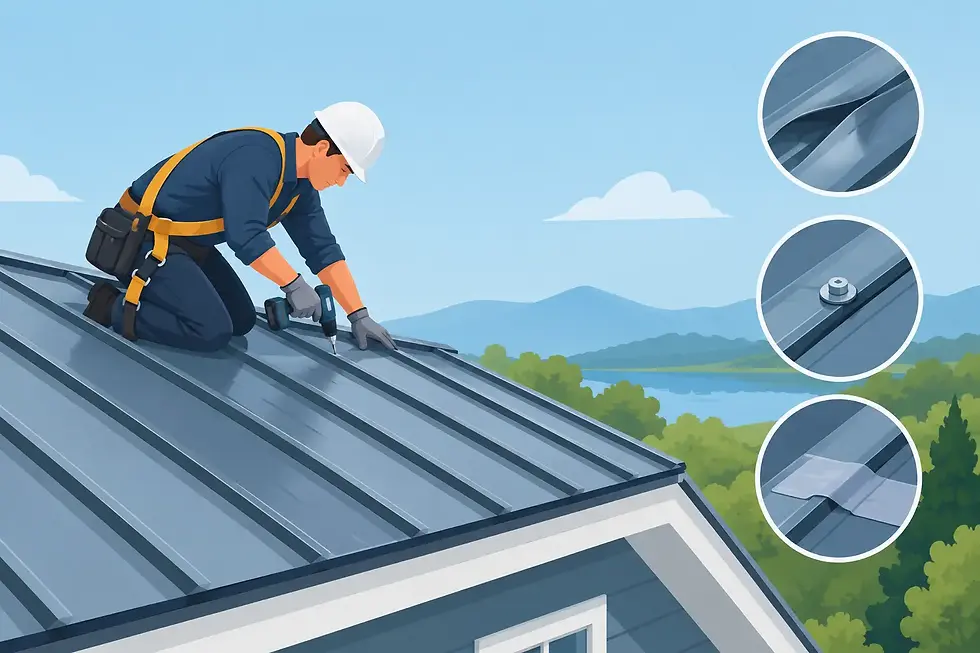
Standing seam metal roofing is another option worth discussing when clean lines, concealed fasteners, and long-term performance are priorities. Still, material alone does not make a roof successful. Proper details at valleys, transitions, penetrations, edges, and ventilation points matter just as much. The best contractor will not sell a material in isolation. They will consider how the entire roofing system works together.
If your roof project involves siding repairs, a porch addition, a garage, or damage from wind, water, or fire, a contractor with broader construction capabilities can be especially helpful. Coordinating related work under one accountable team may reduce delays and prevent the finger-pointing that can happen when several unrelated contractors are involved.
Trust the Process, Not Pressure
A legitimate roofing concern can be urgent, especially when water is entering the building. Urgency, however, is not a reason to skip due diligence. Be wary of high-pressure sales tactics, vague estimates, requests for full payment upfront, or anyone who insists you sign immediately because a special price expires that day.
Give yourself enough time to compare proposals, check references, and review the contract. If your roof is actively leaking, ask about temporary protection while you make a sound long-term decision. A contractor who respects your need for clarity is more likely to respect your property once the work begins.
The right roofing contractor should leave you feeling informed, not cornered. Choose the company that earns your confidence through clear answers, proven local work, careful planning, and a commitment to being available after the last piece of debris is cleaned up. Your roof protects everything beneath it, and the people you hire to build it should treat that responsibility accordingly.


Comments