

Roof Coating Versus Replacement: What to Choose

A roof can look worn long before it has reached the end of its useful life. It can also look acceptable from the ground while hidden moisture, failing seams, or soft decking are creating a much larger problem. That is why the decision between roof coating versus replacement should begin with a professional assessment, not a quick estimate based on appearance alone.
For property owners in southern Michigan, northern Indiana, and Northwest Ohio, the decision carries extra weight. Heavy snow, freeze-thaw cycles, wind-driven rain, summer heat, and falling branches all put roofing systems to the test. The right solution is the one that protects the building, fits the roof's condition, and makes financial sense for the years ahead.
What a Roof Coating Is Designed to Do
A roof coating is a liquid-applied material that cures into a protective membrane over an existing roof surface. Depending on the roof type and coating system, it can help seal minor surface wear, improve water shedding, reflect sunlight, and extend the service life of a sound roof.
Coatings are most often considered for low-slope commercial roofs, flat roofs, and certain metal roofing systems. They are not simply paint. A properly specified coating system involves surface preparation, repairs to seams and penetrations, treatment of rust where necessary, and application at the correct thickness.
When the roof beneath the coating is structurally sound, coating can be a practical way to postpone a full tear-off. It may also minimize disruption for an occupied commercial building or a property that needs to remain operational during the work.
When coating may be the right investment
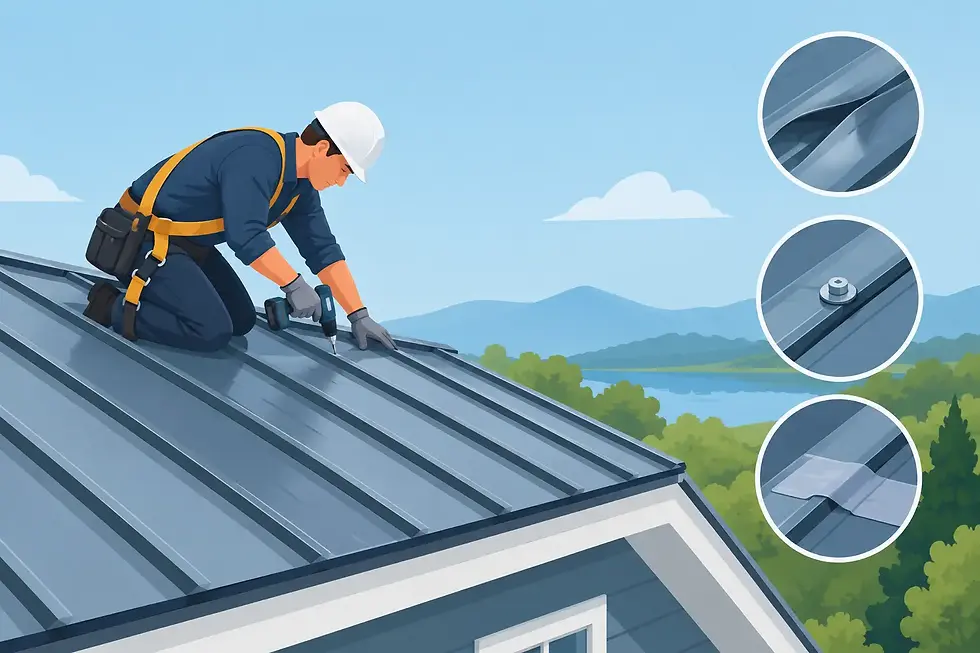
A coating may be worth considering when a roof has general weathering but no widespread trapped moisture, severe deterioration, or structural concerns. For example, a metal roof with surface oxidation but solid panels, secure fasteners, and repairable seams may benefit from a restoration coating system.
It can also make sense for a low-slope roof that is nearing the end of its warranty period but remains dry and stable. In these cases, the coating is not hiding a failure. It is preserving a roof that still has a dependable foundation.
The benefits are meaningful: lower upfront cost than replacement in many situations, less material sent to the landfill, and a potentially faster project timeline. Reflective coatings can also reduce heat absorption on appropriate commercial roofs, which may help manage interior temperatures during warmer months.
Where Roof Coating Has Limits
A coating cannot correct the underlying causes of a failing roof. If the deck is soft, insulation is saturated, flashing is extensively compromised, or leaks have traveled into the building assembly, applying a coating may only delay a necessary repair while moisture continues to spread.
This is especially important on roofs with active leaks. Water does not always enter the building directly below the visible stain. It can move along framing, insulation, or decking before showing up inside. A roof that appears to need a simple coating may actually require targeted removal and repair, or full replacement.
Coating is also not the normal answer for aging asphalt shingle roofs. Shingles rely on their layered design, granule surface, and proper drainage. Once shingles are curled, brittle, missing, or losing granules heavily, replacement is generally the more reliable path. A coating should never be presented as a substitute for a properly installed shingle roof.
For lake homes and vacation properties, there is another consideration: monitoring. A coating system still requires periodic inspection, particularly around penetrations, seams, drains, and areas where snow and debris collect. Remote owners need clear documentation of the roof's existing condition and a plan for future maintenance.
When Roof Replacement Is the Better Choice
Replacement is the stronger long-term solution when the roof system has reached the point where repairs are becoming repetitive, leaks are recurring, or the structure beneath the roofing material may be affected. It provides the opportunity to inspect the deck, correct ventilation issues, upgrade underlayment, replace damaged flashing, and build a complete system designed for the property.
A full replacement is often the right decision when there are multiple layers of old roofing, extensive storm damage, widespread shingle failure, or roof age that makes continued repairs hard to justify. It can also be the better choice when a homeowner wants to move from asphalt shingles to a metal roofing system for longer service life and a different appearance.
For commercial property owners, replacement may be necessary when moisture testing reveals wet insulation across broad areas. Installing a new coating over trapped moisture can lead to premature failure and leaves the building vulnerable to continued damage. Removing the compromised roof materials allows the crew to address what is actually happening below the surface.
Replacement creates a chance to solve related problems
A roof is connected to more than its visible surface. Poor attic ventilation, damaged fascia, aging gutters, inadequate flashing, and framing issues can all affect performance. Replacement allows those details to be reviewed as part of one coordinated project.
That broader view matters when a roof has been damaged by wind, water, or fire. Insurance claims often involve more than replacing shingles or panels. The scope may include decking, interior repairs, siding, gutters, or structural work. A contractor with roofing and general construction experience can help identify the complete repair needs rather than treating the roof as an isolated issue.
Replacement also provides clearer long-term predictability. While every roofing material has maintenance requirements, a new properly installed roof gives owners a known starting point, updated materials, and the confidence that comes from addressing the full system.
Roof Coating Versus Replacement: How Cost Really Compares
Upfront cost is often the first question, and coating usually costs less than a complete replacement when the existing roof is a suitable candidate. But the lowest immediate price is not always the lowest cost over time.
If a roof is dry, stable, and repairable, coating can extend its life at a sensible cost. If it has concealed deterioration, a coating may become an added expense before replacement is needed anyway. The owner then pays for two projects instead of making one durable correction.
Replacement requires a larger initial investment, but it may prevent ongoing leak repairs, interior damage, emergency calls, and business disruptions. For homeowners, it can also protect the rest of the structure from the costly effects of water intrusion. For a commercial building, avoiding a leak over inventory, equipment, or tenant space can be worth far more than the difference between two roofing options.
The honest answer is that cost depends on the roof's condition, material, size, access, slope, drainage, number of penetrations, and any damage found below the surface. A dependable estimate should explain those factors clearly rather than offering one number without a roof inspection.
What to Expect From a Professional Roof Assessment
Before recommending coating or replacement, a qualified roofing contractor should look closely at the roof's age, visible wear, seams, flashing, drainage patterns, roof penetrations, previous repairs, and interior signs of moisture. On commercial or low-slope systems, additional moisture investigation may be appropriate to determine whether insulation or decking has been affected.
Property owners should expect a straightforward explanation of what can be repaired, what should be monitored, and what needs to be addressed now. Photos, a written scope, and clear options are especially valuable for owners who manage a lake house or commercial property from out of town.
It is also wise to ask what preparation is included if coating is recommended. Cleaning, seam treatment, rust preparation, repairs, and product compatibility all matter. If replacement is recommended, ask about decking inspection, ventilation, flashing, cleanup, scheduling, and how the crew will protect landscaping and surrounding areas.
Choose the Solution That Protects the Property
There is no benefit in replacing a roof that can be responsibly restored, and there is no value in coating a roof that has already failed beneath the surface. The best choice comes from matching the solution to the condition of the roof, the needs of the building, and the owner's plans for the property.
Carbon Construction Company approaches roofing decisions with that practical standard in mind. Whether the project involves a commercial roof, a family home, or a seasonal lake property, a careful inspection and a clear scope can help you make a decision you will feel confident about long after the work is complete.


Comments