

How to Choose Roofing Material for Your Home

A roof choice made from a showroom sample can look very different after years of snow, wind, summer sun, and freeze-thaw cycles. Knowing how to choose roofing material means looking beyond color and the lowest estimate. Your roof must fit your home’s structure, your plans for the property, and the weather it will face across southern Michigan, northern Indiana, and Northwest Ohio.
For many homeowners, asphalt shingles and metal roofing are both strong choices. The right answer depends on the condition and pitch of your roof, the look you want, how long you expect to own the property, and whether you are solving a current roofing problem or making a long-term improvement.
How to Choose Roofing Material for Your Property
Start with the roof you have, not just the material you prefer. A roofing professional should inspect the decking, ventilation, flashing areas, valleys, penetrations, and the overall roof structure. A quality roof is a complete system. Even the best shingles or metal panels cannot perform as intended if water-management details or underlying materials are neglected.
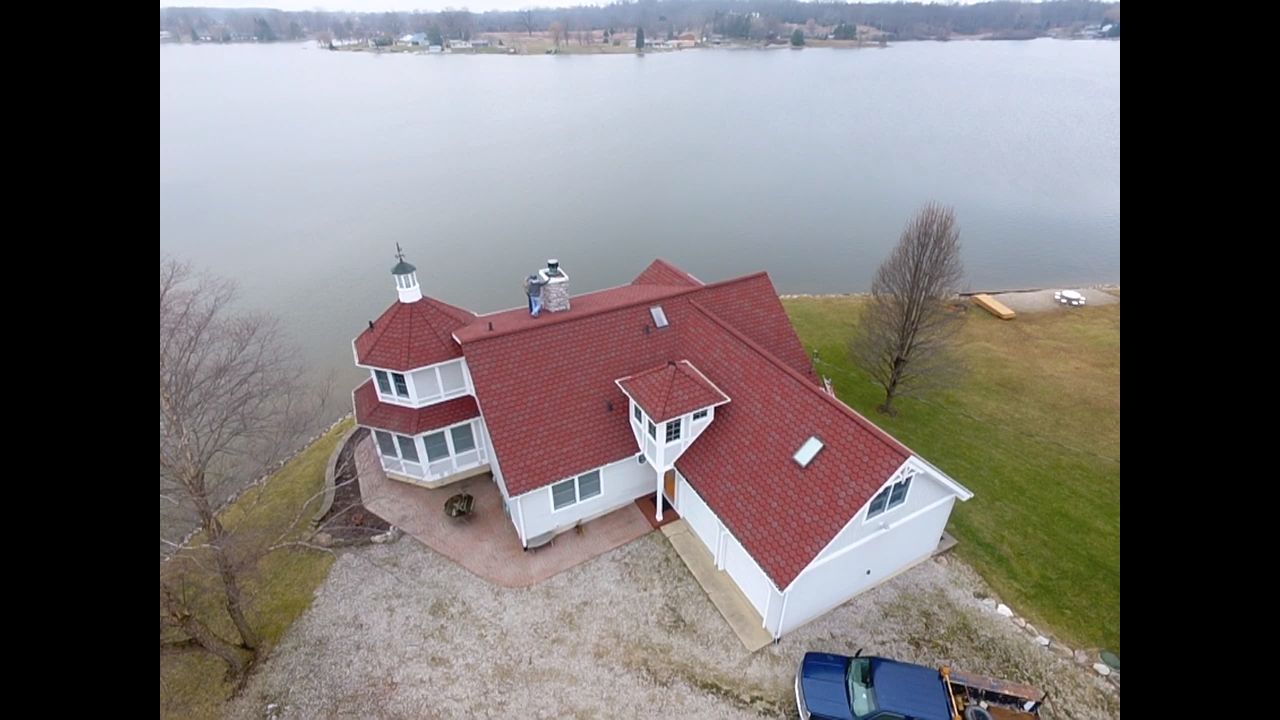
Consider how the building is used as well. A full-time home may need a practical, budget-conscious solution that can be installed quickly. A lake house or vacation property may call for a longer-lasting roof and a contractor who can document progress clearly while you are away. For commercial properties and larger outbuildings, roof slope, drainage, maintenance access, and business downtime may carry more weight than curb appeal.
It also helps to decide what matters most before comparing options. Is your priority the lowest upfront investment, maximum service life, a particular architectural style, storm resistance, or minimal future maintenance? Most roofing decisions involve trade-offs, and a dependable contractor should explain them plainly rather than steer every customer toward one product.
Start With Local Weather and Roof Design
Our region asks a lot of a roof. Heavy snow can sit on lower-pitched areas. Ice dams can develop when attic insulation and ventilation are not working together. Strong winds can test exposed edges and ridge areas. Rain driven by wind can find weaknesses around chimneys, skylights, pipe boots, and wall transitions.
That is why material selection and installation details need to work together. A roof with many valleys, dormers, and penetrations requires careful flashing and water control. A simple gable roof has different needs than a complex lake home with several rooflines. If your roof has a low slope, certain materials may be better suited than others, and the manufacturer’s installation requirements matter.
Attic ventilation deserves attention, too. Proper airflow can help manage heat and moisture beneath the roof system. It can also support shingle performance and reduce the conditions that contribute to ice damming. Replacing the visible roof covering without addressing ventilation problems may leave the original cause of premature wear unresolved.
Asphalt Shingles: A Proven, Practical Choice
Asphalt shingles remain the most common roofing material for good reason. They offer a broad range of colors and styles, work well on many residential roof designs, and typically provide a lower upfront cost than metal. Architectural shingles can give a home more dimension than basic three-tab shingles while providing dependable protection when installed as a complete system.
For a homeowner preparing to sell within a few years, or one who needs a durable roof while staying within a defined budget, asphalt shingles may be the sensible choice. They are also familiar to many buyers, which can make them a comfortable fit for traditional homes throughout Hillsdale, Coldwater, Angola, and surrounding communities.
The trade-off is service life. Shingles can be affected over time by sunlight, temperature swings, wind, and granule loss. Their longevity varies based on product grade, roof ventilation, installation quality, and local exposure. A shingle warranty is worth reviewing, but it should not replace a conversation about what protection and expected performance are realistic for your property.
Metal Roofing: Long-Term Protection With a Different Investment
Metal roofing is often chosen by owners who plan to keep a home for the long haul, want a distinctive appearance, or need a durable solution for a home, barn, garage, or lake property. It can shed snow efficiently, resist many weather-related concerns, and provide a long service life when properly designed and installed.
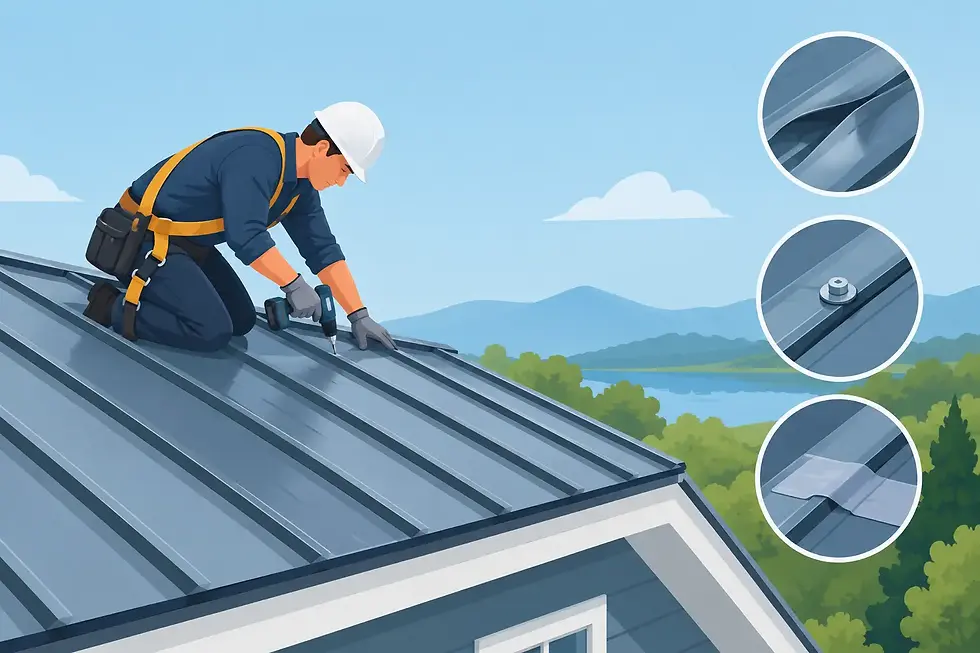
Standing seam metal roofing is especially valued for its clean appearance and concealed fastener design. Because fasteners are not exposed across the main panel surface, standing seam can be an excellent option for homeowners who want a premium system with strong water-shedding capability. Metal panels with exposed fasteners can also be appropriate for certain structures and budgets, particularly garages, sheds, and agricultural-style buildings.
The higher initial cost is the primary consideration. Metal roofing is not automatically the right choice for every home, and price alone does not tell the full story. Panel thickness, coating quality, trim details, underlayment, ventilation, flashing, and the installer’s experience all affect the result. A lower metal quote may leave out details that protect the building where leaks are most likely to begin.
Homeowners sometimes worry that a metal roof will be loud in rain. With proper decking, insulation, and attic construction, interior sound is typically comparable to other roofing systems. Another common concern is snow sliding. That can be managed with thoughtful roof design and snow-retention planning where needed, especially above entryways, walkways, or lower roof sections.
Compare Cost by Value, Not Just by Estimate
A roofing estimate should be clear enough to compare more than the final number. Ask what material line is being proposed, what underlayment will be used, how flashing will be handled, whether damaged decking is addressed, and how ventilation is evaluated. Confirm whether disposal, permits, protection for landscaping, and cleanup are included.
The lowest bid can become expensive if it leaves important work outside the scope. Conversely, the most expensive proposal is not necessarily the best value if it includes upgrades that do not fit your goals. A trustworthy estimate explains the options and gives you room to make an informed decision.
Think about ownership time as part of the calculation. If you expect to remain in your home for decades, paying more for a long-lasting system may make sense. If you are restoring a rental, preparing a property for sale, or replacing a roof after storm damage, a quality asphalt shingle system may provide the right balance of cost and performance. Insurance proceeds can also affect the decision after a covered loss, but coverage, depreciation, and upgrade costs should be reviewed carefully before work begins.
Match the Material to the Home’s Style
A roof is a major part of a home’s exterior appearance. Asphalt shingles offer flexibility, from traditional neutral colors to deeper dimensional blends that complement brick, siding, stone, and trim. Metal roofing can suit farmhouses, lake homes, contemporary designs, and historic-inspired properties, depending on panel profile and color.
Do not choose strictly from a small sample. View larger product samples outdoors if possible, and consider the home’s siding, gutters, shutters, masonry, and surrounding landscape. Colors can look different in direct sun, shade, and overcast weather. Darker roofs can create a strong, classic appearance, while lighter tones may better fit certain siding colors or reflect more sunlight.
For additions, porches, garages, and remodels, the roof should also be planned as part of the entire project. A contractor with both roofing and construction experience can help ensure new rooflines, wall transitions, drainage, and exterior finishes work together instead of creating a problem that must be repaired later.
Choose the Contractor With the Same Care
The roofing material is only one part of the investment. Ask who will manage the project, whether the crew is experienced with the specific system you select, and how the contractor handles unexpected decking damage or weather delays. You should receive clear communication before work starts and know who to contact during the project.
For remote owners, communication is especially valuable. Detailed scopes, photographs, progress updates, and a documented plan provide confidence when you cannot be at the property every day. This matters for lake houses, inherited homes, and restoration projects where several trades may need to coordinate.
A local, established contractor also understands the building styles and weather conditions common to the area. Carbon Construction Company approaches roofing as a complete property-protection project, with the ability to address related construction needs when the scope calls for more than a roof replacement.
The best roofing material is the one that protects your property without forcing you to compromise on the priorities that matter most. Before you decide, ask for an on-site evaluation, compare complete scopes of work, and choose a system you can feel confident living under through every season.


Comments