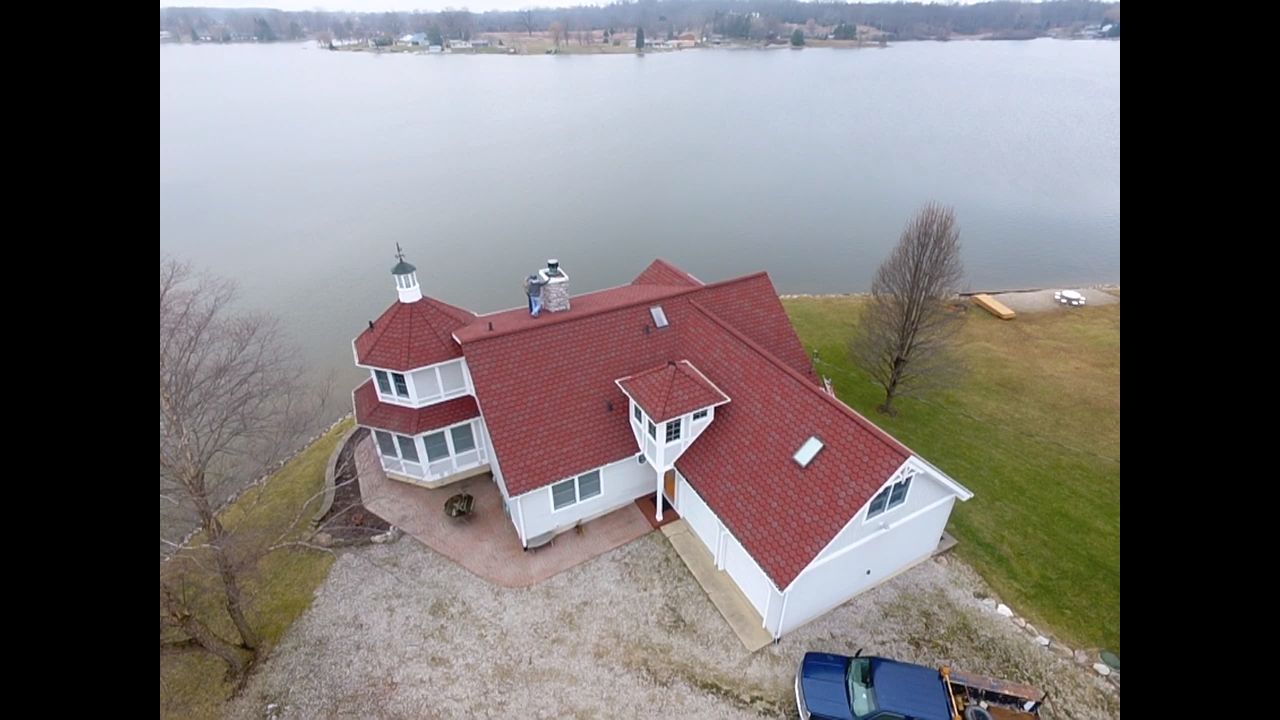


Metal Shingles Review: Are They Worth It?

A roof replacement is not a purchase most property owners want to repeat in 15 or 20 years. That is why a metal shingles review should look beyond color samples and the initial proposal. Metal shingles can deliver long service life, strong wind resistance, and a more traditional appearance than standing seam panels, but they are not automatically the right answer for every home, budget, or roof design.
For homeowners in southern Michigan, northern Indiana, and Northwest Ohio, the decision also has to account for snow, wind-driven rain, summer heat, mature trees, and the condition of the existing roof structure. Here is a practical look at where metal shingles perform well, what they cost, and what to ask before committing to a system.
What Are Metal Shingles?
Metal shingles are individual roofing panels formed to resemble conventional shingles, slate, shake, or tile. They are usually made from coated steel or aluminum and installed in interlocking rows. From the street, many profiles offer a more familiar residential look than long vertical metal panels.
That appearance is a major reason property owners consider them. A homeowner may want the longevity of metal without changing the character of a farmhouse, lake house, historic-style home, or neighborhood streetscape. Metal shingles can provide that middle ground, especially when a standing seam roof feels too modern or industrial for the building.
The materials themselves are only part of the system. Underlayment, flashing, ventilation, fasteners, transition details, chimney work, and the installer’s layout all affect whether the roof performs as intended. A quality metal shingle product installed poorly is still a poor roofing investment.
Metal Shingles Review: The Main Benefits
The strongest argument for metal shingles is long-term durability. While the exact service life depends on the material, coating, environment, and installation, a properly installed metal roof can last substantially longer than a typical asphalt shingle roof. This can be especially valuable for owners who expect to stay in their home for decades or who want fewer major maintenance projects at a second property.
Metal shingles are also well suited to challenging weather. Interlocking panels can provide excellent protection against wind and wind-driven rain when installed according to the manufacturer’s specifications. They shed snow and ice more readily than rougher asphalt surfaces, though that benefit needs to be managed with properly planned snow retention where falling snow could damage landscaping, gutters, walkways, or lower roof sections.
Fire resistance is another advantage. Metal roofing does not provide fuel for a fire, and many systems carry high fire ratings when installed over appropriate assemblies. For homes near wooded areas or vacation properties that may sit unoccupied at times, that added protection can bring peace of mind.
Energy performance can be favorable as well. Reflective coatings may reduce heat absorption during sunny weather. However, homeowners should be realistic about savings. Attic insulation, ventilation, air sealing, window quality, and roof color all influence energy use. A metal roof is not a substitute for correcting poor insulation or moisture problems in the attic.
There is also a practical maintenance benefit. Metal shingles do not absorb water like asphalt, and they are less likely to suffer the granular wear common on aging asphalt roofs. That said, low maintenance does not mean no maintenance. Branches should be trimmed back, valleys kept clear, gutters cleaned, and roof penetrations inspected periodically.
The Trade-Offs to Consider Before Buying
The upfront cost is the biggest trade-off. Metal shingles generally cost more than architectural asphalt shingles, sometimes significantly more depending on the profile, material, roof complexity, and needed trim details. A simple gable roof and a roof with multiple dormers, valleys, skylights, chimneys, and intersecting sections should not be expected to price the same way.
For some homeowners, the higher initial cost makes sense because they plan to own the property long term. For others, a high-quality architectural shingle roof may offer a better balance of appearance, reliable protection, and budget. There is no universal answer. The right choice depends on how long you intend to keep the property, your financial priorities, and the condition of the home.
Noise is another frequent concern, but it is often misunderstood. A properly installed metal shingle roof over solid decking, insulation, and a finished attic is not usually dramatically louder during rain than other roofing systems. Noise can be more noticeable in certain structures, particularly open porches, cabins with exposed roof framing, or buildings with limited insulation.
Metal is also not immune to storm damage. Large hail can dent some metal profiles, and falling limbs can damage any roof. Steel products typically offer more dent resistance than lighter-gauge aluminum, while aluminum has advantages in certain environments because it will not rust. The best material for a given home depends on the location, roof pitch, tree coverage, and homeowner priorities.
Finally, repairs require an experienced contractor. Interlocking systems can be repaired, but the work is more specialized than replacing a few standard asphalt shingles. Choosing a contractor with metal roofing knowledge from the start matters because it protects both the installation quality and the ability to service the roof later.
How Metal Shingles Handle Midwest Weather
Our local weather asks a lot from a roof. Freeze-thaw cycles can challenge flashing and vulnerable transitions. Heavy snow can build up on low-slope sections. Spring storms can drive rain under poorly installed edges and around chimneys. Summer heat exposes ventilation and insulation problems that may have gone unnoticed during colder months.
Metal shingles can perform very well in these conditions when the roof is designed as a complete water-management system. That means careful attention to ice and water protection in critical areas, correctly integrated flashing, ventilation that matches the home’s attic design, and clean transitions at walls, valleys, vents, and skylights.
A metal roof can shed snow quickly, which helps reduce prolonged moisture exposure. But rapid snow shedding may create hazards below. Snow guards should be considered above entry doors, decks, mechanical equipment, driveway areas, and places where people walk. This is not an optional cosmetic detail. It is part of planning a roof around how the property is actually used.
For lake homes and seasonal properties, metal shingles can be especially appealing because of their longevity and weather resistance. Remote owners should still arrange periodic property checks after major storms. A durable roof reduces risk, but no roofing system should be ignored after a severe wind event or fallen-tree incident.
Installation Quality Matters More Than the Sales Pitch
A metal shingle roof is not simply installed by covering the old roof with new material. Before work begins, the contractor should evaluate the decking, roof framing, ventilation, drainage, existing flashing, and the condition of areas around chimneys or walls. Soft decking, active leaks, or improperly built transitions should be corrected rather than hidden.
The proposal should also make the scope clear. Property owners deserve to know what happens to existing roofing materials, whether damaged decking is included or priced separately, what underlayment will be used, how flashing will be handled, and whether gutters, siding, or trim could require related work. Clear communication is particularly important when coordinating a project from out of town.
Color and profile selection deserve more attention than many people give them. Darker colors can complement traditional homes but may show dust or pollen more readily. Textured finishes can soften glare and create a more dimensional appearance. A profile that looks excellent on a large showroom board may look different across an entire roof, especially on a low-pitch home.
At Carbon Construction Company, roofing recommendations are based on the building, the owner’s goals, and the scope required for a lasting result - not simply on selling the highest-priced option.
When Metal Shingles Make the Most Sense
Metal shingles are a strong fit for owners seeking a long-term roof with a classic residential look. They can be an excellent choice for a forever home, a well-maintained lake property, or a building where wind performance and fire resistance are important considerations.
They may be less practical when the budget is tight, the property will likely be sold soon, or extensive structural and exterior repairs already demand much of the available investment. In those cases, a premium asphalt shingle system may be the more responsible choice. Spending wisely is more important than selecting the most expensive material.
Before choosing, ask for a detailed inspection and compare complete roofing systems rather than comparing only a price per square. The lowest proposal may leave out the underlayment, flashing work, ventilation corrections, or damaged-decking allowance needed to protect the home.
A roof should give you confidence when the forecast turns bad and when you are miles away from the property. The best material is the one that fits your home, your plans, and the quality of installation needed to protect both for years to come.


Comments