

How to Prepare for Reroofing Without Surprises

A new roof is one of the most valuable improvements you can make to a home, but reroofing is an active construction project, not a quiet delivery. Knowing how to prepare for reroofing helps protect your property, keeps the crew moving efficiently, and makes the experience far less stressful for your family, tenants, or neighbors.
The best preparations begin before the material truck arrives. A reputable contractor will explain the schedule, access needs, and scope of work, but homeowners can make a meaningful difference by clearing the work area and planning for the normal noise and vibration that come with removing and installing a roof.
Start With a Clear Reroofing Plan
Before work begins, confirm the basic project details with your contractor: the expected start date, estimated duration, work hours, material delivery timing, and where the crew will park. Weather can affect roofing schedules in southern Michigan, northern Indiana, and Northwest Ohio, so it is wise to ask how rain delays or high winds will be communicated.
Take time to review the agreed scope as well. Make sure you understand the roofing material being installed, whether damaged decking will be repaired if found, the ventilation approach, and how flashing around chimneys, skylights, walls, and valleys will be handled. A lower price can sometimes reflect a narrower scope, so clear expectations are better than assumptions.
If you have a lake home, rental, or vacation property and will not be present, establish one point of contact before the project starts. Confirm who can approve unexpected repairs, receive updates, and answer questions quickly. Detailed photos and regular communication are especially helpful when an owner is managing a project from a distance.
How to Prepare for Reroofing Outside Your Home
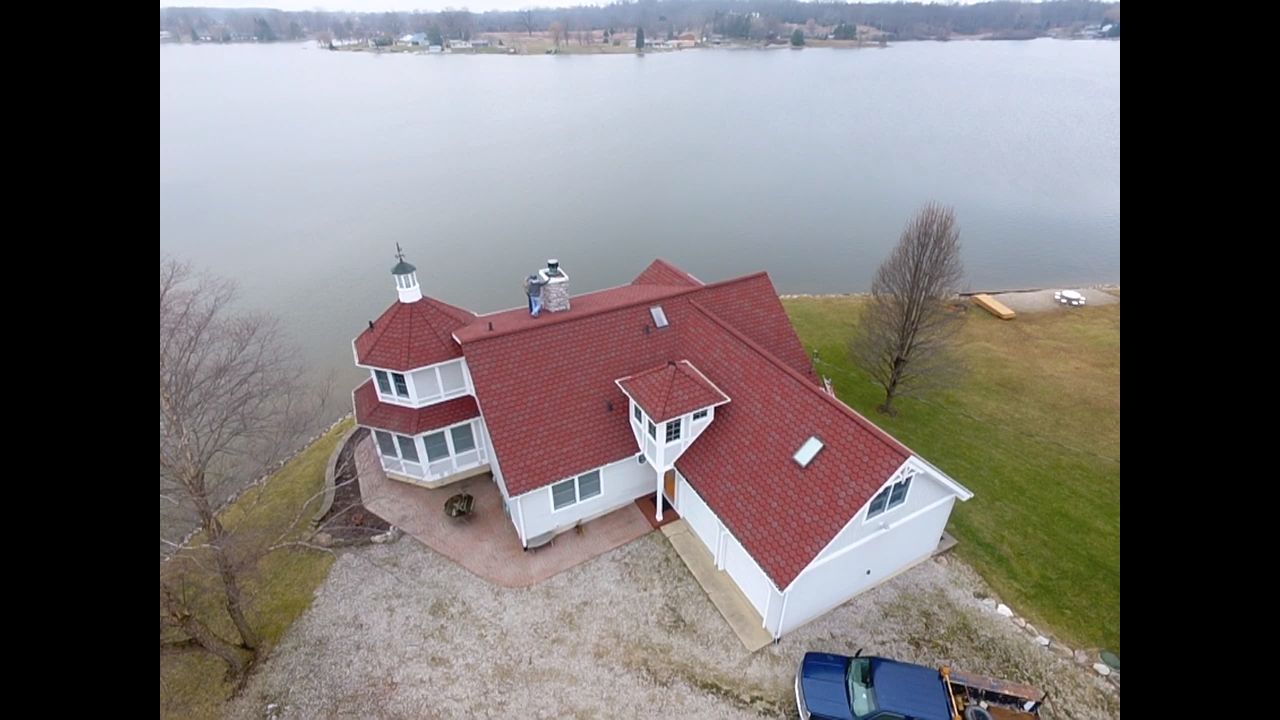
Roofing crews need room to work safely and to move old materials away from the house. Start by moving vehicles out of the driveway and away from the garage. If possible, park on the street or arrange another location for the duration of the work. This protects your vehicles from dust and occasional falling debris, while giving the crew room for trailers, dump containers, and material delivery.
Move patio furniture, grills, potted plants, lawn decorations, and children’s toys away from the house. A good rule is to clear at least 10 to 15 feet around the building wherever practical. Covering delicate landscaping can be helpful in some situations, but avoid placing heavy tarps directly over shrubs for an extended period. They can trap heat and damage plants, particularly during warm weather.
Protect Gardens, Landscaping, and Outdoor Equipment
Point out anything that needs special care before the crew begins. This may include ornamental trees, flower beds, irrigation heads, outdoor lighting, septic components, air-conditioning equipment, or a generator. Most roofing contractors take precautions around landscaping, but they cannot protect what they do not know is there.
Mow the grass shortly before the project if conditions allow. Short grass makes it easier to spot nails and debris during cleanup. Roofing crews typically use magnetic sweepers, but a final walk around the property after work is complete is still a sensible step, especially if children or pets use the yard.
Keep gates unlocked if the crew needs access to the backyard, and identify any areas where equipment should not travel. If a dumpster or debris trailer will be placed near a driveway, ask whether plywood or other protection is appropriate. The right approach depends on the driveway material, weight of the container, and site conditions.
Prepare the Inside of Your Home
Reroofing creates vibration. It is normal for pictures, wall art, and small decorative items to shift while old shingles are removed and new materials are installed. Take down fragile items from walls, shelves, and mantels, especially on upper floors. Secure valuables and move breakable objects away from areas where they could fall.
Attics deserve attention as well. Roofing tear-off can loosen dust, small particles, or existing debris above the ceiling. Cover stored belongings with sheets or tarps, and move sensitive items if possible. If you have an attic fan, whole-house fan, or other equipment near the roof deck, ask your contractor whether any temporary precautions are needed.
Expect some noise. The sound of nail guns, shingle removal, footsteps, and material movement can be significant during the day. If you work from home, schedule important calls elsewhere when possible. Families with infants, people who work nights, or anyone sensitive to noise may want to plan time away from the home during the busiest portions of the project.
Make a Plan for Pets, Children, and Neighbors
A roofing project can be unsettling for pets. Keep dogs and cats indoors, away from work areas, and consider boarding them or arranging a quiet place to stay if they are highly anxious. Do not allow pets into the yard until the crew has completed cleanup and you have had a chance to inspect the area.
Children should understand that the driveway, roof perimeter, ladders, tools, and material stacks are off limits. Even after the crew leaves for the day, construction materials and equipment should be treated as restricted areas.
It is also courteous to tell close neighbors about the scheduled work. They will appreciate advance notice about daytime noise, delivery trucks, and possible temporary parking changes. This is particularly useful on narrow streets, shared drives, and lake properties where access can be limited.
Keep Access Open for the Roofing Crew
Your contractor may need access to electrical outlets, the attic, a garage, or an interior space to inspect ventilation and complete the work properly. Decide in advance whether someone will be home, whether a lockbox will be used, or whether all access can be handled from outside.
Clear the driveway and keep pathways to gates, electrical panels, and exterior outlets open. If your home has a security system, outdoor cameras, or motion-activated lighting, let the contractor know how those systems may affect the workday. You may need to adjust alerts so that normal crew activity does not trigger repeated notifications.
Roofing crews also need a practical place for restrooms, waste containers, and materials. These details may seem minor, but they help a project stay organized and reduce unnecessary disruption around your property.
Ask About Material Delivery and Cleanup
Materials may arrive a day or two before installation. Shingles, metal panels, underlayment, and other components can be heavy, and delivery placement should be discussed before the truck arrives. In some cases, materials are loaded onto the roof. In others, they are staged on the ground where they can be safely accessed.
Ask how old roofing materials will be removed and where debris containers will be placed. Also ask about daily cleanup, final magnetic nail sweeps, and what happens if wind or weather interrupts the project. A dependable contractor should have a clear plan for protecting exposed areas if conditions change.
Carbon Construction Company approaches roofing as part of the larger condition of your property, not simply as a surface replacement. That broader construction experience can be valuable when reroofing reveals issues with decking, ventilation, trim, siding, or water damage that deserve prompt attention.
Be Ready for Reasonable Decisions During the Project
Most reroofing projects go as planned, but no contractor can fully see the condition of the roof deck until old materials are removed. Rotten wood, hidden leaks, inadequate ventilation, or storm damage may require additional work. Discuss ahead of time how change orders, photographs, pricing, and approvals will be handled.
This does not mean you should expect problems. It means you should be prepared to make an informed decision if one is found. A contractor who documents the condition clearly and explains the repair options helps protect both your home and your budget.
On installation day, keep your phone available, move vehicles before the crew arrives, and avoid walking through active work zones. Once the project is complete, take a final walk around the house with the contractor, ask any remaining questions, and keep your warranty and project records in a safe place. A little preparation gives your new roof the clean, well-managed start it deserves.


Comments