

Lake House Design Trends for Lasting Comfort

A lake house has to work harder than a typical home. It may sit empty through winter storms, host a full family over a holiday weekend, and face constant sun, wind, moisture, and changing temperatures. The best lake house design trends respond to those realities instead of chasing a look that will feel dated in a few years. For owners around Hillsdale, Coldwater, Angola, and nearby lake communities, lasting design begins with a house that is comfortable to use, easy to maintain, and built to protect the investment.
Lake House Design Trends That Start With the Exterior
A lake view may be the main attraction, but the exterior has the biggest job. Water, wind, tree debris, ice, and sun exposure can all shorten the life of a home when materials and details are selected for appearance alone.
One of the strongest trends is a cleaner, more intentional exterior with fewer decorative elements that can trap water or demand constant upkeep. Homeowners are choosing durable siding profiles, well-proportioned trim, and rooflines that fit the home rather than overwhelm it. The result can still feel warm and relaxed, but it has a more permanent, well-built character.
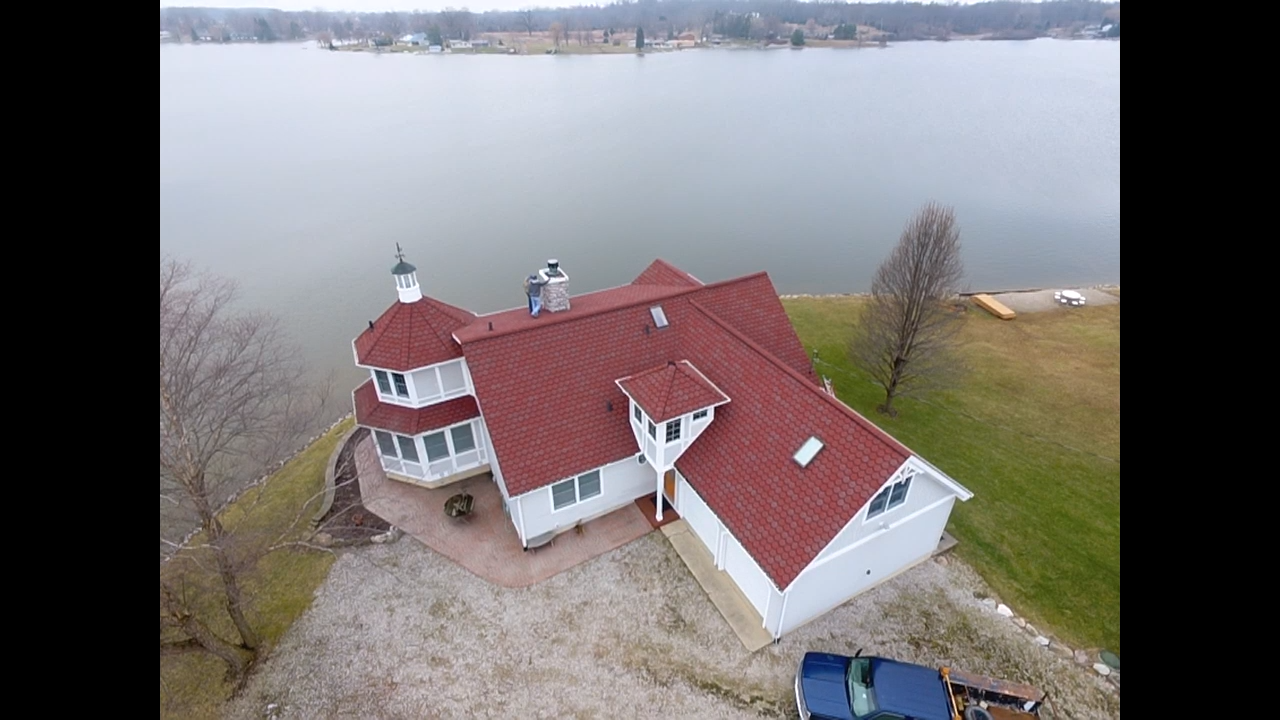
Metal roofing continues to make sense for many lake properties. Standing seam metal roofing offers crisp lines that work with modern cabins, updated ranch homes, and larger waterfront homes alike. More importantly, it provides dependable weather protection, sheds snow efficiently, and can be a smart choice for a property that is not occupied every day. Asphalt shingle roofing remains a practical option as well, particularly when a homeowner wants a traditional appearance and a quality roofing system installed within a defined budget.
The right choice depends on roof pitch, surrounding trees, wind exposure, budget, and how long the owner plans to keep the property. A roof should complement the design, but it also needs proper ventilation, flashing, drainage, and installation by a crew that understands the whole system.
Outdoor Rooms Are Becoming Everyday Living Space
Lake homeowners want more than a deck with a few chairs. Covered porches, screened rooms, protected patios, and expanded decks are becoming central parts of the home. They create a place to enjoy the water view during light rain, avoid mosquitoes in the evening, or gather outside without moving everyone indoors when the weather changes.
The most successful outdoor spaces are planned around how the property is actually used. A family that hosts grandchildren may need broad stairways, clear walking paths, durable railings, and room for a large table. A couple using the home as a quiet weekend retreat may prefer a screened porch with comfortable seating and a smaller, low-maintenance deck.
Covered areas deserve the same planning as an interior addition. Roof connections, drainage, footings, electrical needs, and transitions at doors all affect whether the space feels finished and stays dry. A porch that is added without considering roof runoff can create problems at the house wall, foundation, or deck surface. Good construction details are not always the first thing guests notice, but they are what keep an outdoor room enjoyable year after year.
Better Connections Between Inside and Out
Large windows and wider patio doors remain popular because they bring the lake view into the home. The trade-off is that more glass can increase heat gain, reduce privacy, and make furniture placement more challenging. Well-placed windows, quality doors, and thoughtful shading often deliver a better result than simply adding glass everywhere.
Homeowners are also using mudrooms, side entries, and storage benches to manage wet towels, sandy shoes, fishing gear, and life jackets. These practical spaces may not appear in a design photo, but they make a busy lake house easier to live in.
Warm, Natural Materials Without the Heavy Cabin Look
The classic dark-log-cabin style still has its place, but many owners are moving toward lighter, more flexible interiors. Natural wood remains popular for beams, ceilings, accent walls, and trim, while the overall palette often includes soft whites, warm grays, muted greens, and sandy neutral tones. This approach keeps the home connected to its setting without making every room feel dark.
Texture matters more than overly themed decor. Wood grain, stone, metal accents, woven fabrics, and simple painted finishes can add character without turning the house into a collection of lake signs and novelty items. The goal is a home that feels relaxed enough for weekends and polished enough for everyday living.
Durability should guide interior material decisions, especially in high-traffic areas. Water-resistant flooring, washable wall finishes, stain-resistant upholstery, and easy-to-clean surfaces are sensible choices for homes that welcome guests and children. A beautiful floor is less appealing if owners spend every visit worrying about wet feet near the door.
Flexible Layouts for Family, Guests, and Remote Work
Lake houses are increasingly used for longer stays, not only summer weekends. That has made flexible layouts more valuable. A quiet office, an extra sleeping area, a bunk room, or a finished space above a garage can give the property more year-round usefulness without requiring a major expansion of the main living area.
Open living areas remain popular, but fully open plans are not always the answer. A kitchen, dining area, and family room can feel connected while still including zones for conversation, cooking, and quiet time. Partial walls, built-in storage, ceiling changes, and furniture placement can create definition without blocking the view.
For older homeowners or families planning to keep a lake property for decades, accessibility is also becoming part of the conversation. A main-floor bedroom, wider hallways, low-threshold entries, and safer stairs can make the home more comfortable now and more practical later. These choices do not have to make a house look institutional. When planned early, they simply become part of a thoughtful design.
Low-Maintenance Design Is a Luxury for Remote Owners
Many lake property owners live elsewhere for part of the year. They need to know that the home is protected when they cannot drive by after every storm. That is why dependable materials and clear construction planning matter as much as color selections or fixture styles.
Low-maintenance does not mean maintenance-free. Gutters still need attention, trees still need to be managed, and decks still require periodic inspection. But choosing a durable roof, properly installed siding, protected trim, and reliable drainage reduces the number of surprises that can develop into expensive repairs.
Remote owners also benefit from a contractor who provides a detailed scope of work, clear drawings when needed, progress updates, and straightforward communication. Whether the project is a roof replacement, porch addition, exterior renovation, or restoration after wind or water damage, knowing what is happening at the property provides real peace of mind. Carbon Construction Company approaches lake house projects with that level of planning because a vacation property deserves the same accountability as a primary residence.
Do Not Let Design Overlook Water Management
Water is part of the appeal of lake living, but it is also the issue that deserves the most respect. Proper grading, gutters, downspout discharge, flashing, roof drainage, and exterior materials all work together to protect the structure. A stylish new porch or addition can create trouble if it changes how water moves around the home.
Before starting a visible upgrade, inspect the parts of the property that protect it: the roof, attic ventilation, siding transitions, deck framing, foundation drainage, and areas around doors and windows. Addressing those details first creates a stronger foundation for the finishes homeowners are excited to choose.
A well-designed lake house should invite people to slow down, gather, and enjoy the view without asking its owners to worry about every storm forecast. Choose features that fit the way the property is used, invest in the systems that keep water out, and let the finished home earn its character through many good seasons at the lake.


Comments