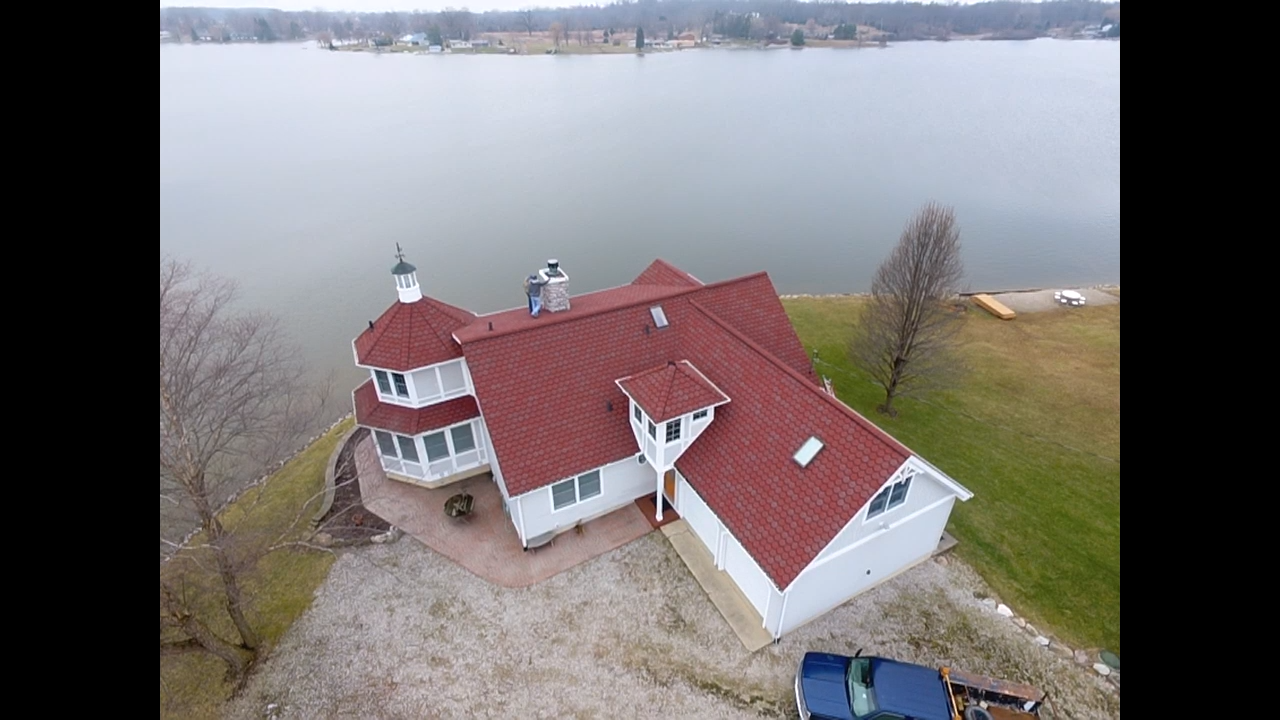


Waterproof Exterior Siding Built to Hold Up

A wet spot inside a wall rarely begins as a dramatic leak. More often, it starts with wind-driven rain working past a loose panel, failed caulk joint, unsealed trim board, or poorly flashed window. Waterproof exterior siding is a practical search term, but lasting protection comes from more than the siding material itself. It comes from a complete exterior system designed to shed water, manage moisture, and hold up through Midwest weather.
For homeowners in Hillsdale, Coldwater, Angola, and nearby communities, that distinction matters. Our homes face heavy rain, snow, freeze-thaw cycles, humid summers, and storms that can expose weak points quickly. Choosing siding based on appearance alone can leave a property vulnerable. Choosing the right material and having it installed correctly protects the structure behind it.
What Waterproof Exterior Siding Really Means
No siding product makes a house completely waterproof on its own. Siding is the first line of defense, not the only line. Its job is to direct most rain away from the wall while allowing the wall assembly to handle the small amount of moisture that can get behind the exterior surface.
A dependable siding system includes the siding panels or boards, a weather-resistant barrier behind them, properly integrated flashing around windows and doors, durable trim details, and correctly installed fasteners. In some situations, a drainage gap or rainscreen detail gives water a path to escape and helps the wall dry.
This is why two homes with the same siding can perform very differently. One may stay dry for decades, while the other develops staining, soft sheathing, or hidden rot. The difference is often in the preparation and installation work that no one sees after the project is complete.
The Best Siding Materials for Wet Weather
The best choice depends on your home, budget, maintenance expectations, and exposure to wind and water. A lake house that sits vacant for part of the year may need a different approach than a protected in-town home with mature tree cover.
Vinyl siding
Quality vinyl siding does not absorb water, making it a practical option for many homes. It is affordable, low-maintenance, and available in a wide range of colors and profiles. When installed with proper flashing and housewrap, it handles ordinary rain very well.
The trade-off is that vinyl can crack from impact in very cold weather, especially if it has aged or become brittle. It also expands and contracts with temperature changes, so installers must leave the correct amount of movement. Panels nailed too tightly can buckle, while improper trim details can create openings where water reaches the wall.
Fiber cement siding
Fiber cement offers a more substantial appearance and strong resistance to moisture, fire, insects, and rot. It is a popular choice for homeowners who want the look of painted wood without the same level of moisture vulnerability.
It does require a higher initial investment and needs careful installation. Cut edges, fasteners, and joints must be handled according to the manufacturer's requirements, and the finish must be maintained. If paint begins to fail around exposed edges or penetrations, water can eventually affect the material and the assembly behind it.
Engineered wood siding
Modern engineered wood siding can provide the warmth and character of wood with improved resistance to fungal decay and moisture. Many homeowners appreciate its appearance, impact resistance, and ability to take paint well.
Its performance depends heavily on installation details. Ground clearance, roof-to-wall flashing, kick-out flashing, and protection at cut ends are especially important. Engineered wood is not a product to install casually and hope for the best. It needs a crew that follows the complete system, not just the visible boards.
Metal siding
Metal siding is highly water-resistant, durable, and well suited to rural properties, garages, outbuildings, commercial buildings, and homes with a clean modern or agricultural style. It does not rot, and it can be an excellent match for a metal roofing system.
The key concerns are flashing, fastener selection, panel overlaps, and condensation control. Metal panels shed rain effectively, but an improperly detailed transition at a roofline, window, or corner can still allow water behind the panels. Proper underlayment and ventilation details matter just as much as the metal itself.
Water Finds the Details First
Most siding failures happen at transitions, not in the center of a wall. Windows, doors, vents, electrical boxes, deck attachments, roof intersections, and exterior light fixtures all interrupt the siding surface. Each interruption needs a detail that directs water outward instead of allowing it behind the wall.
Pay particular attention to the lower edges of roofs where they meet sidewalls. A small piece of kick-out flashing can prevent a concentrated stream of roof runoff from soaking siding and trim year after year. Without it, homeowners may not notice a problem until paint peels, wood softens, or interior damage appears.
Clearance is another issue. Siding should not sit directly on soil, mulch, roof shingles, or deck surfaces that hold moisture. Keeping appropriate space around the bottom edge helps prevent splashback, wicking, and insect activity while giving the material room to dry.
Why Midwest Weather Changes the Decision
In southern Michigan, northern Indiana, and Northwest Ohio, exterior materials must deal with more than rainfall. Freeze-thaw cycles can widen tiny gaps. Ice dams and wind-driven snow can send moisture into areas that do not see much rain exposure during warmer months. Summer humidity can make it harder for wall systems to dry if moisture gets trapped.
That is why a tight, non-breathable wall is not always the answer. The goal is a wall that sheds bulk water, resists wind, and can dry when needed. The right weather barrier and flashing approach depends on the existing wall construction, siding material, insulation plan, and whether the property has had moisture problems in the past.
For vacation homes and lake properties, early detection is also harder when no one is on-site every week. Durable materials and careful water management details reduce risk, but remote owners should still arrange periodic exterior checks after severe storms and before winter.
Signs Your Existing Siding May Be Letting Water In
Visible damage does not always mean the wall is wet, but it is worth investigating before a small repair becomes a larger restoration project. Watch for warped or loose siding, cracked panels, peeling paint near trim, dark staining, soft wood, recurring caulk failures, or gaps around windows and doors.
Inside the home, musty odors, discoloration near exterior walls, bubbling paint, or unexplained drafts can point to a problem behind the siding. Do not assume these signs are only cosmetic. Moisture can affect insulation, framing, sheathing, and indoor air quality long before it becomes obvious from the outside.
A professional exterior assessment should look beyond the damaged panel. The real question is why that location failed. It could be storm damage, age, roof runoff, a missing flashing component, poor original installation, or a combination of issues.
How to Plan a Siding Project That Lasts
Before choosing a color or profile, start with the building conditions. Consider the age of the home, the condition of the sheathing, the number of windows and roof intersections, exposure to prevailing winds, and whether gutters are moving water away from the foundation.
Ask your contractor how windows, doors, and roof-to-wall transitions will be flashed. Ask what will happen if damaged sheathing is found after old siding is removed. You should also understand which trim materials will be used, where sealant is appropriate, and what maintenance the selected siding will require.
A clear written scope matters, especially for larger homes, commercial properties, and lake houses managed from a distance. At Carbon Construction Company, a siding project can be evaluated as part of the entire exterior - including roofing, gutters, trim, and any storm-related damage - so the repair addresses the source of the problem rather than covering it up.
Protection You Can See and Trust
The right waterproof exterior siding system should make your home look cared for, but its most valuable work happens during the rain, snow, and wind you cannot control. A careful inspection, honest material recommendation, and properly detailed installation give you a better chance of keeping water where it belongs: outside your walls.
If you see early signs of siding damage or have concerns after a storm, it is wise to have the exterior reviewed before another season puts more water through the same weak point.


Comments