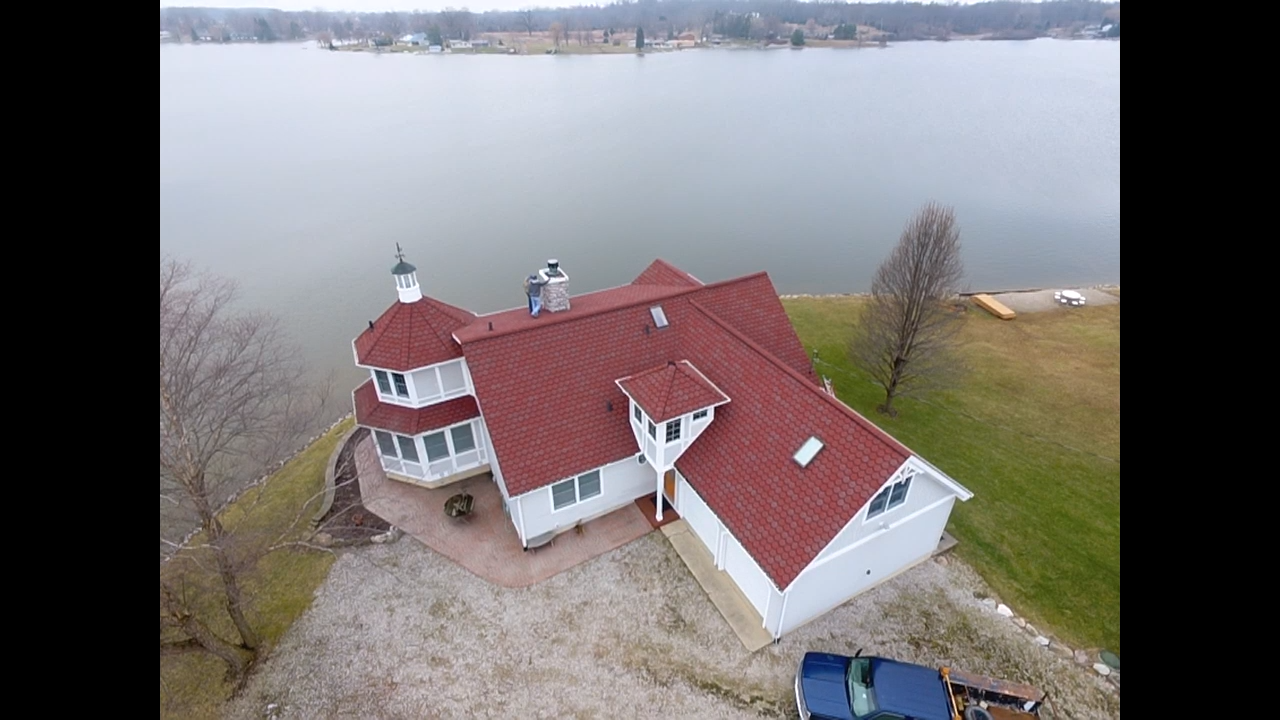


How One Day Roofing Works on Your Home

A leaking roof or a roof nearing the end of its life can make every weather forecast feel personal. Homeowners often ask how one day roofing works because the idea of replacing a roof in a single day sounds convenient, but also raises fair questions about workmanship. Fast should never mean rushed. When the project is properly planned, supplied, staffed, and supervised, a dedicated crew can complete many standard roof replacements in one working day without sacrificing the details that protect your home.
For homeowners in southern Michigan, northern Indiana, and Northwest Ohio, timing matters. Storms move through quickly, temperatures change, and a roof replacement can disrupt daily routines. One-day roofing is designed to reduce that disruption while giving your home a new, dependable roofing system.
What one-day roofing actually means
One-day roofing usually means the active tear-off and installation work is completed in a single day. The crew removes the old shingles, checks the roof deck, installs the required underlayment and flashing, applies new shingles, and cleans the job site before leaving.
It does not mean every part of the project begins and ends that day. A quality replacement starts well before the crew arrives. The estimate, product selection, measurements, material ordering, scheduling, and delivery are handled in advance. Permits, if required in your community, are also addressed beforehand.
It also does not mean every roof is a one-day candidate. A straightforward asphalt shingle replacement on an average-sized home is often well suited to this schedule. A large home, a steep roof, multiple layers of old material, structural repairs, extensive chimney work, or complicated valleys may take longer. Standing seam metal roofing and custom metal work often require a different timeline because precise fabrication and detailing are central to the finished system.
How one-day roofing works before installation day
The speed of installation comes from preparation, not shortcuts. Before work is scheduled, a roofing contractor should inspect the roof, discuss your priorities, measure the home, and identify concerns that could affect the job. This is the time to ask about ventilation, flashing, roof penetrations, gutters, skylights, decking condition, and any visible signs of water damage.
Material planning is especially important. Shingles, underlayment, ice and water protection, nails, ridge ventilation, starter materials, flashing, and disposal equipment should be ready before the crew begins. If materials arrive late or key pieces are missing, a one-day plan quickly becomes an extended project.
Homeowners can help the day run smoothly by moving vehicles away from the driveway and garage, clearing fragile items from walls or shelves inside the home, and making arrangements for pets. Roofing work creates vibration and noise, particularly during tear-off. If you work from home or have young children, it may be more comfortable to plan time away for the busiest hours.
A responsible contractor will also explain how landscaping, siding, windows, decks, and driveway areas will be protected. Roof replacement is demanding work, but your property should be treated with care from the first shingle removed to the final cleanup pass.
What happens during a one-day roof replacement
A well-organized roofing day starts early. The crew reviews the scope of work, sets up ladders and safety equipment, protects the work area, and places a trailer or disposal container where it can be loaded efficiently. Clear roles matter. Experienced crews do not lose time deciding who is handling tear-off, materials, installation, or cleanup.
Removing the old roof
For a full replacement, the old roofing material is removed down to the deck. This gives the crew a chance to inspect the surface beneath the shingles rather than covering over a problem. Soft, rotted, or damaged decking should be replaced before new roofing goes on.
This step is one reason homeowners should be cautious of promises that sound too simple. A contractor cannot always know the exact condition of the roof deck until the old material is removed. A clear proposal should explain how unforeseen deck repairs will be handled if they are needed.
Building the new roofing system
Once the deck is ready, the crew installs the layers that work together to protect the home. Depending on the roof and local conditions, this can include ice and water protection in vulnerable areas, synthetic underlayment across the deck, drip edge, starter shingles, flashing around chimneys and walls, field shingles, ridge caps, and ventilation components.
The visible shingles matter, but they are only one part of the system. Water is most likely to find its way in at transitions, penetrations, and edges. Careful flashing around chimneys, pipes, valleys, and sidewalls is often more important to long-term performance than how quickly the main roof field is covered.
An experienced crew keeps materials moving to the roof as installation progresses. That coordination is what allows a roof to be completed efficiently. It should not result in skipped steps, exposed areas left overnight, or sloppy detail work.
Cleanup and final review
As sections are completed, crews should remove debris from the roof and ground. At the end of the day, cleanup includes collecting discarded materials, sweeping hard surfaces, and using magnets to pick up roofing nails around the home. A final walk-around should confirm that the property is clean and that key roof details have been checked.
For many homeowners, the final review is also the right time to ask about warranty information, attic ventilation, maintenance, and whom to call if a question comes up after the crew leaves. A roof is a major investment, and a dependable contractor remains available after installation day.
When a one-day roofing project makes sense
One-day roofing is a good fit when the roof has a manageable size and layout, the weather forecast is favorable, the materials are readily available, and there are no anticipated structural complications. It can be particularly helpful when a roof is aging, losing shingles, or showing signs of a leak that should be addressed before the next heavy rain.
It is also a practical option for vacation home owners who need a defined schedule and reliable communication. If you are not at your lake house or rental property every day, you need to know what work is planned, what the crew finds, and how the property will be secured and cleaned. Detailed scopes, photos, and consistent updates can make a fast project feel much more manageable from a distance.
Still, the right answer depends on the roof. A contractor who recommends more time for a complicated roof is not necessarily being inefficient. They may be allowing for safer work, better weather protection, detailed flashing, or repair work that a proper installation requires.
Questions worth asking before you schedule
Before committing to a one-day roof replacement, ask whether the proposal includes removal of old materials, deck inspection, underlayment, flashing, ventilation, cleanup, and nail removal. Ask how the crew will protect landscaping and what happens if damaged decking is discovered. You should also understand the payment schedule, warranty coverage, and whether the contractor is properly insured for the work.
If storm damage is part of the reason for replacement, ask how the contractor can assist with documentation and insurance communication. Insurance claims can be stressful, especially when wind or water damage has created an urgent problem. Clear records and a detailed scope make it easier to understand what is being repaired and why.
Carbon Construction Company approaches fast roofing work with the same priority as any major project: protecting the home, communicating clearly, and completing the work to a standard a local family business can stand behind. With experienced planning and a dedicated crew, speed can be a benefit rather than a compromise.
A new roof should leave you with more than a cleaner-looking home. It should leave you confident that the details under and around the shingles were handled carefully, so the next hard rain is simply weather again.



Comments