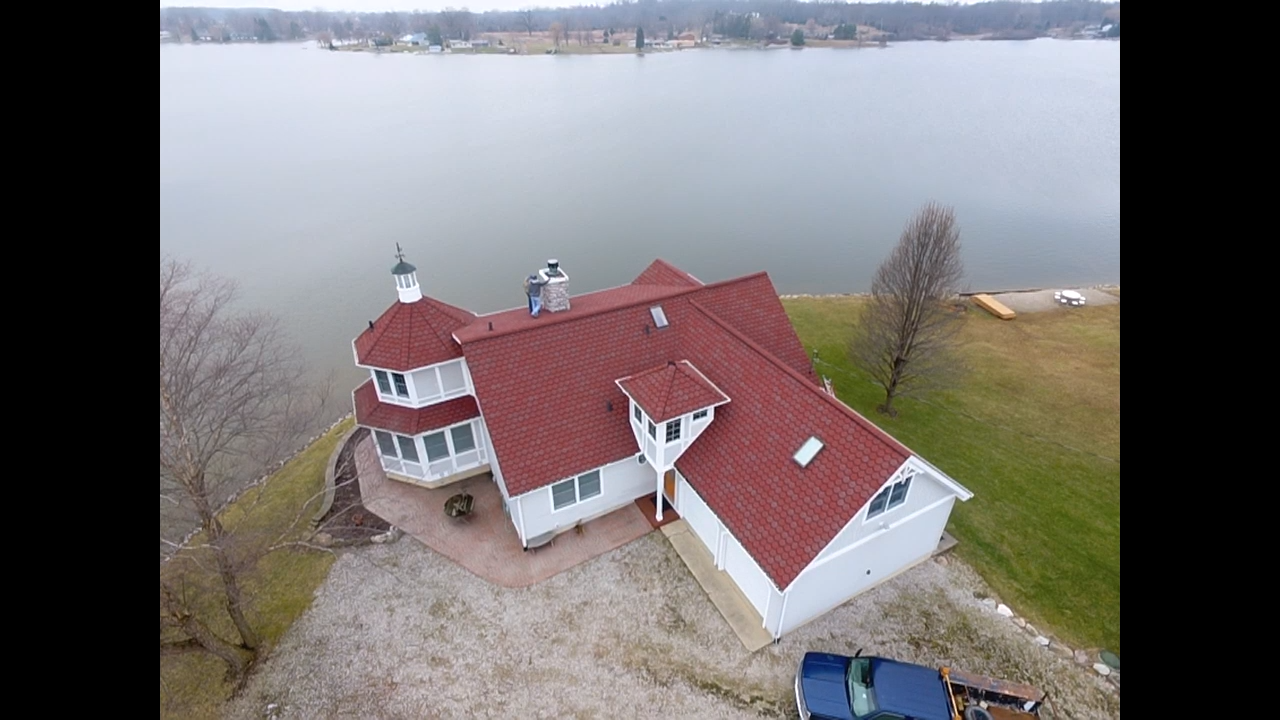


How to Protect Lake Homes From Storms and Wear

A lake home takes more punishment than a typical inland property. Wind travels across open water with little to slow it down, moisture hangs in the air, and seasonal closures can leave small problems unnoticed for months. Knowing how to protect lake homes means planning for those conditions before a loose shingle, leaking flashing, or frozen pipe turns into a major repair.
For many owners around Hillsdale, Coldwater, and Angola, the challenge is not simply maintaining a home. It is maintaining a property that may sit vacant during part of the year. Protection starts with a sound exterior, regular observation, and a contractor who can communicate clearly when you are not nearby.
How to Protect Lake Homes Starts at the Roof
Your roof is the first line of defense against wind-driven rain, snow, ice, and falling limbs. At a lake property, that defense matters even more because storms often hit with stronger gusts and water can be forced beneath aging shingles, ridge caps, vents, and flashing.
A professional roof inspection should look beyond whether shingles are still present. It should assess the condition of flashing around chimneys and walls, roof penetrations, valleys, ventilation, gutters, and the roof deck itself. A roof can look acceptable from the driveway while allowing water into the attic during a hard, wind-driven storm.
Material selection also deserves careful thought. Asphalt shingles can be an excellent, cost-conscious choice when installed correctly with quality underlayment and proper ventilation. Metal roofing, including standing seam systems, is often especially well suited to lake homes because it offers strong wind performance, sheds snow efficiently, and has a long service life. The right choice depends on the home’s architecture, roof pitch, budget, nearby trees, and whether the property is occupied year-round.
A metal roof is not automatically the answer for every lake house. Complex rooflines, existing structural conditions, and snow-shedding patterns may affect the design. What matters most is using a complete roofing system and having it installed by an experienced crew that understands how water moves across the roof and away from the home.
Watch for Small Roof Problems Early
Do not wait for a ceiling stain to schedule an inspection. Look for lifted or missing shingles, exposed nail heads, granules collecting in gutters, cracked sealant, rusted flashing, soft spots near eaves, and damp insulation in the attic. These are early warnings that are generally less costly to address than an active interior leak.
After a major windstorm, inspect from the ground if it is safe to do so. Take clear photos of visible damage and note any water entry inside the home. If insurance may be involved, prompt documentation helps establish the condition of the property and supports a smoother claim process.
Control Water at Every Level
Rain falling on a roof is expected. Rainwater collecting against the foundation is where expensive trouble begins. Lake homes often have sloped lots, high groundwater, sandy soil, or shoreline conditions that complicate drainage. Water management needs to account for the entire site, not just the gutters.
Keep gutters clear and securely fastened so they can handle a heavy downpour without pulling away from the fascia. Downspouts should discharge well away from the foundation, ideally onto stable ground that directs water away from the house. If extensions create a tripping hazard or interfere with the property’s appearance, buried drainage may be worth considering, provided it has a proper outlet and will not discharge where it can undermine a slope.
Check the grade around the foundation at least once each year. Mulch, landscaping, patio work, and natural settling can gradually create low areas that hold water beside the home. Correcting that slope early can help prevent wet basements, damaged insulation, mold, and foundation concerns.
Pay close attention to decks, porches, and transitions where additions meet the original house. These areas need correct flashing and drainage details. Water that slips behind siding or trim can decay framing long before the damage becomes visible indoors.
Prepare for Wind, Trees, and Shoreline Exposure
Open-water views are part of lake living, but they also mean exposure. Strong gusts can lift loose siding, drive rain into vulnerable exterior joints, damage soffit panels, and turn unsecured outdoor items into projectiles.
Walk the property before storm season. Trim dead, rubbing, or overhanging limbs with help from a qualified tree professional when needed. Trees provide welcome shade, but branches hanging over a roof create risks from impact, leaf buildup, and abrasion. Keep firewood, patio furniture, grills, and dock equipment secured or stored when a severe storm is expected.
Siding, soffits, fascia, and windows should be checked as part of the same exterior maintenance plan. A missing piece of siding or loose soffit may seem minor, yet it can allow moisture and pests into the wall or attic. Caulk around windows and doors when joints begin to crack, but do not use caulk as a substitute for failed flashing or damaged materials.
If your property is close to the shoreline, watch for erosion, washouts, and changes after heavy rain or high water. Landscape features that direct runoff toward the lake may require a thoughtful approach so you protect both your home and the water you enjoy.
Do Not Ignore Seasonal Closing and Winter Risks
A vacant lake home can develop a serious problem in a short time. A slow plumbing leak, ice dam, power outage, or failed sump pump may go unnoticed until the next visit. Seasonal preparation should be a planned routine, not a hurried task completed the night before leaving.
Before closing a property, confirm that plumbing is winterized if the home will not be heated consistently. Insulate vulnerable pipes, drain exterior hose connections, service the furnace, and test smoke and carbon monoxide detectors. If the home has a sump pump, make sure it is working and consider a battery backup or alarm where appropriate.
Ice dams deserve special attention in northern Michigan and Indiana winters. They form when heat escaping into the attic melts snow on the roof, and the water refreezes near the colder eaves. The resulting ice can force water under roofing materials. Better attic insulation and ventilation are often the lasting solution. Removing snow or ice may provide temporary relief, but aggressive scraping can damage shingles and should be handled carefully.
For homes used during the winter, keep access paths clear enough for inspections and emergency service. A contractor cannot quickly address a roof leak or storm opening if the drive is inaccessible.
Use Remote Oversight to Your Advantage
Owners who live away from their lake home need more than an occasional glance at a security camera. Cameras and smart leak detectors can be useful, especially when paired with temperature alerts and monitored smoke alarms. They can notify you quickly when conditions change, but they cannot diagnose a flashing failure or assess storm damage on a roof.
Build a local response plan. Keep current contact information for a trusted contractor, plumber, electrician, insurance agent, and a nearby neighbor or property manager who can safely check the home after a major event. Store photos of the property, maintenance records, warranty information, and insurance details in one accessible place.
When planning exterior work from a distance, insist on a detailed scope of work, clear material selections, project photos, and consistent updates. Carbon Construction Company regularly helps lake and vacation property owners coordinate roofing, restoration, and exterior projects with clear planning and communication, even when the owner cannot be on-site every day.
Invest in Repairs Before They Become Restoration Work
The best maintenance decisions are usually made before an emergency. Replacing worn flashing, repairing a small section of siding, improving attic ventilation, or correcting poor drainage may not feel as urgent as a visible leak. Still, these repairs protect the structure, finishes, and belongings that make a lake home valuable.
A practical yearly inspection should cover the roof, attic, gutters, siding, windows, foundation drainage, decks, and any signs of pest or moisture activity. Schedule it in spring after winter weather, then make a shorter check in fall before freezing temperatures return. If a storm causes damage, act promptly to prevent further water intrusion while permanent repairs are arranged.
Lake homes are meant to be places where families gather, rest, and build long-term memories. With regular attention to the roof, drainage, exterior details, and seasonal readiness, you can spend more time enjoying the water and less time worrying about what a passing storm may have left behind.



Comments