

Metal Roofing Installation Built to Last

A metal roof can look straightforward from the driveway: clean lines, durable panels, and a finish built to handle the seasons. But metal roofing installation is not simply a matter of fastening panels to a roof deck. The performance of the roof depends on the details beneath and around those panels - from deck condition and underlayment to flashing, ventilation, and the way the system is designed for snow, wind, and water.
For homeowners, lake house owners, and commercial property managers in southern Michigan, northern Indiana, and Northwest Ohio, those details matter. Our weather can move quickly from summer heat and heavy rain to ice, snow, and high winds. A properly planned metal roof gives a property long-term protection. A rushed or poorly detailed installation can create problems that are difficult to see until water finds its way inside.
Start With the Roof You Actually Have
Every successful roofing project begins with an honest assessment of the existing structure. Before choosing panel color, profile, or gauge, a contractor should inspect the roof deck, roof slope, framing, ventilation, chimneys, skylights, valleys, and transitions where a roof meets a wall or porch.
If the decking has soft spots, water damage, or rot, it should be repaired before the new roofing system goes on. Covering damaged decking may save a little time at the beginning, but it can shorten the life of the new roof and leave the owner with a bigger repair later.
Roof slope also influences the right system. Standing seam metal roofing is a strong choice for many homes because its concealed fasteners and raised seams provide excellent weather protection. Exposed-fastener metal panels can be appropriate for certain agricultural, garage, workshop, and commercial applications, but they require careful fastening and maintenance over time. The right answer depends on the building, its appearance, its slope, and the owner’s long-term goals.
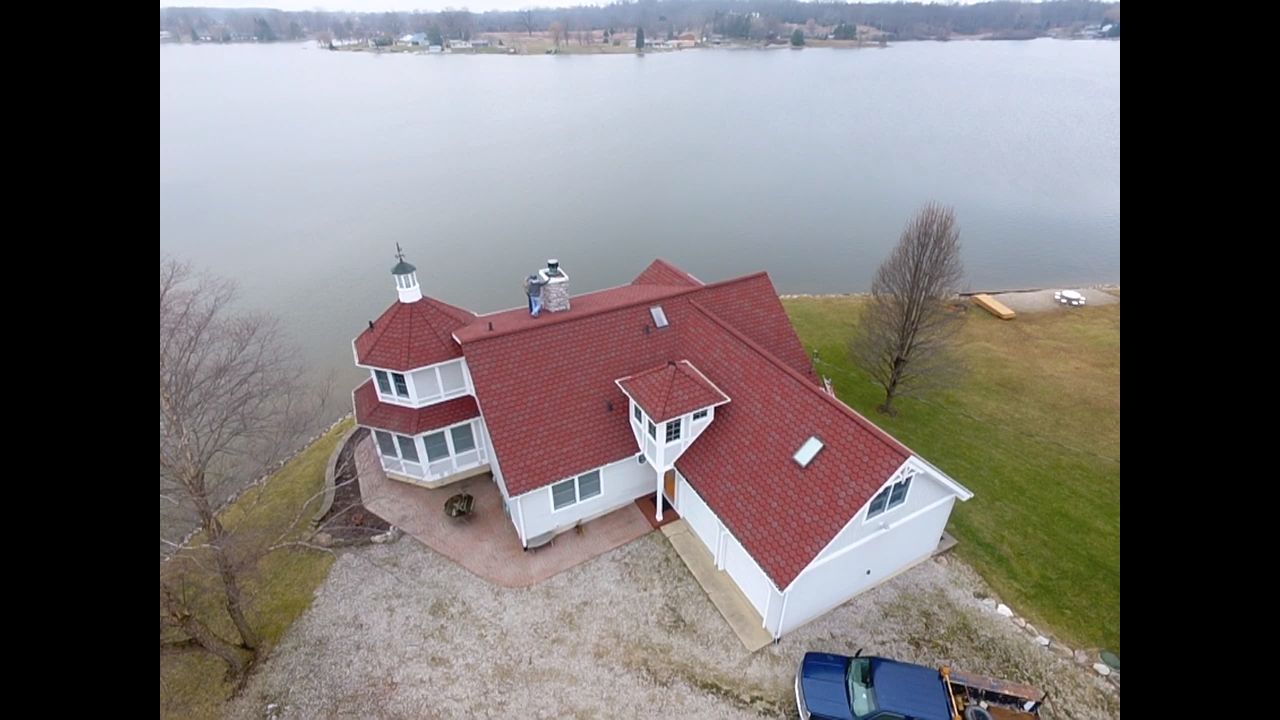
A lake home may need additional attention. Many vacation properties sit exposed to wind, open water, trees, and seasonal weather while the owner is away. In that situation, a detailed scope and clear communication are not extras. They are part of protecting the investment.
The Details That Make Metal Roofing Installation Last
Metal roofing is a system, not just a surface. Panels are the visible portion, but the parts that prevent water intrusion are often hidden under the metal or tucked into edges and intersections.
Decking, underlayment, and moisture control
The roof deck must be sound, clean, and properly prepared. Depending on the roof design and local conditions, the installation may include a high-quality synthetic underlayment and ice-and-water protection in vulnerable areas. This helps provide a secondary layer of defense if wind-driven rain or ice backs water up beneath the panels.
Ventilation also deserves attention. A roof needs a balanced path for heat and moisture to move out of the attic. Without proper intake and exhaust ventilation, warm moist air can contribute to condensation, elevated cooling costs, and premature wear on building materials. Metal itself does not cause condensation problems. Poorly designed roof and attic assemblies do.
Flashing is where craftsmanship shows
Most roof leaks do not begin in the middle of a field of metal panels. They occur at penetrations and transitions: around pipes, chimneys, skylights, valleys, walls, dormers, and roof edges.
These areas require correctly formed flashing, appropriate sealants, and a plan for directing water away from the building. A contractor should not rely on caulk as the primary solution for a complicated transition. Sealant has a role, but properly integrated metal flashing is what manages water over the long term.
Standing seam systems also need well-designed ridge caps, eave trim, rake trim, and closures. These components help keep out wind-driven rain, insects, and debris while allowing the roof system to function as intended.
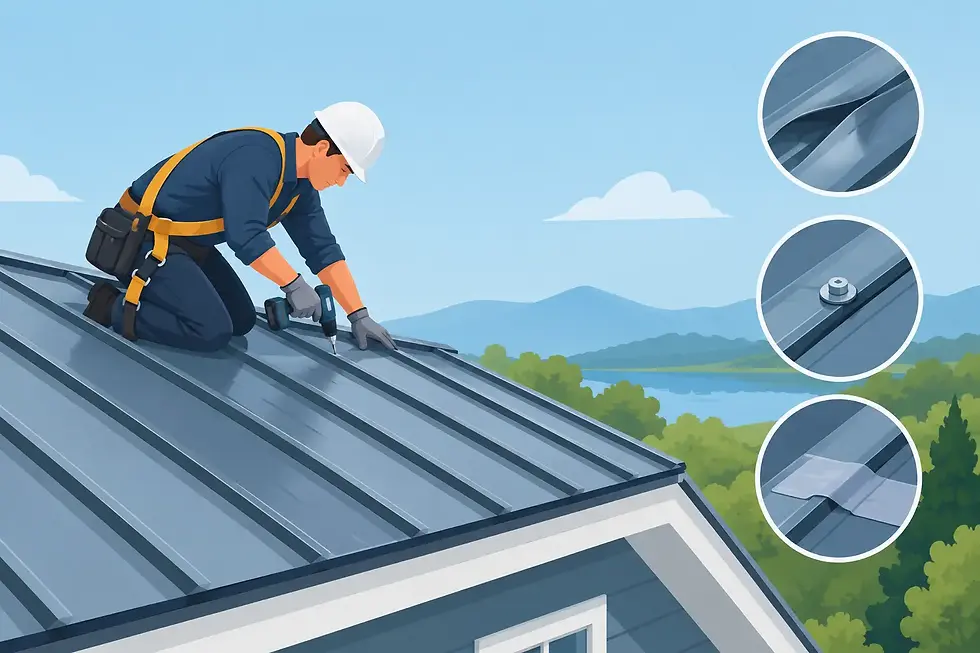
Fasteners and panel movement
Metal expands and contracts as temperatures change. A quality installation allows for that natural movement rather than restricting it in ways that can distort panels or stress fasteners.
This is one reason panel type and attachment method matter. Standing seam roofs use concealed clips or fasteners beneath the seams, creating a cleaner appearance and reducing the number of exposed fastening points. Exposed-fastener systems place screws through the panel face, which can be practical and cost-effective in the right setting, but each fastener must be correctly located, seated, and maintained.
Choosing a Metal Roof for Your Property
The best metal roof is not always the most expensive option. It is the system that fits the property, budget, appearance goals, and expected length of ownership.
Standing seam metal roofing is often selected for homes, higher-end garages, lake properties, and buildings where clean architectural lines and long-term weather protection are priorities. Its hidden fasteners offer a refined look, and the system can be an excellent choice for roofs with broad visible planes.
Metal shingles, slate-look panels, and other stamped profiles can be a better fit when a homeowner wants metal durability with a more traditional roof appearance. Ribbed panels may make sense for barns, shops, sheds, and some commercial buildings where function and budget lead the decision.
Color should be considered beyond curb appeal. Dark colors can make a strong architectural statement, while lighter finishes may help reflect more heat. Availability, finish warranty, surrounding landscape, and the home’s siding, brick, or trim should all be part of the conversation. A roof is a major exterior decision, and samples viewed outdoors in natural light are more useful than a color shown on a phone screen.
What a Professional Installation Process Should Look Like
A reliable contractor should explain the scope before materials arrive. Property owners deserve to know whether the existing roof will be removed, how damaged decking will be handled, what underlayment and flashing will be used, where materials will be staged, and how cleanup will be managed.
On many straightforward homes, an experienced dedicated roofing crew can complete the active roofing work quickly, sometimes in a single day. That timeline depends on roof size, complexity, weather, deck repairs, material type, and the number of penetrations. Speed is valuable when it comes from preparation and capable crews, not from skipping important steps.
During installation, crews should protect landscaping, driveways, decks, and nearby structures as reasonably as possible. They should also keep the jobsite organized and remove debris promptly. For homeowners who are living in the property during construction, communication about start times, access, noise, and any unexpected findings makes the process far more manageable.
If the roof has storm damage, documentation becomes especially important. Clear photos, an itemized scope, and practical support through the insurance process can help an owner make informed decisions. Insurance proceeds may cover damage caused by a qualifying event, but coverage varies by policy and should never be assumed without review.
Questions Worth Asking Before You Sign
The contractor’s answers should be specific and easy to understand. Ask what type of metal roofing system is proposed and why it suits your roof. Ask how decking repairs, flashing details, ventilation, and penetrations will be handled. Ask who will manage the project, whether the crew is experienced with the selected system, and what workmanship coverage is provided.
It is also reasonable to ask about the project schedule, cleanup process, payment structure, and how change orders are approved if hidden damage is discovered. For remote owners, ask how progress will be documented and communicated. A contractor who can manage the roof as well as related siding, framing, porch, or restoration work can reduce coordination problems when a project reaches beyond the roofline.
At Carbon Construction Company, that broader construction experience helps when a roofing project uncovers an issue that affects more than shingles or panels. A roof is connected to the building around it, and the right repair often requires looking at the whole exterior system.
Plan for a Roof That Protects More Than the Building
A metal roof is a long-term decision, which makes planning worth the effort. The lowest proposal may leave out necessary preparation, quality flashing, or the labor required for difficult roof details. On the other hand, a more expensive system is not automatically the right choice if it does not match the building’s needs.
The best place to begin is with a careful inspection and a written plan that explains the materials, details, timeline, and responsibilities. When the roof is built with care from the deck upward, it can provide the confidence property owners want when the next hard rain, winter storm, or windy night arrives.


Comments