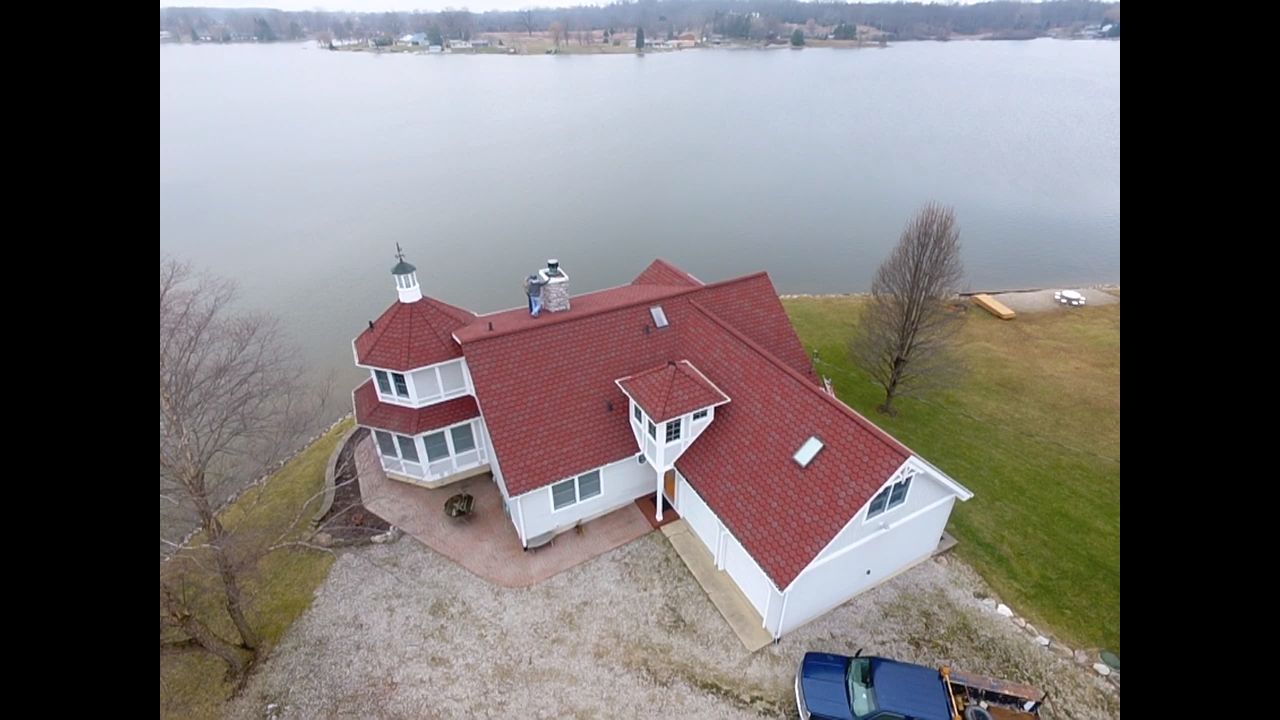


Choosing a Water Damage Restoration Contractor

Water rarely waits for a convenient time. It shows up after a storm, a roof leak, a burst pipe, an ice dam, or a failed appliance, and the damage can move fast. Choosing the right water damage restoration contractor early can make the difference between a controlled recovery and a much larger repair months later.
For homeowners, commercial property owners, and lake house owners in southern Michigan, northern Indiana, and nearby Northwest Ohio, that decision carries real weight. Water does not just stain drywall. It can affect insulation, framing, flooring, electrical systems, finishes, and in some cases the structural integrity of the building. The longer it sits, the more expensive and disruptive the project usually becomes.
What a water damage restoration contractor should actually do
A good contractor does more than remove wet materials and set out fans. Restoration starts with understanding where the water came from, how far it traveled, what building components were affected, and what has to happen to return the property to sound condition.
That process usually begins with a careful inspection. Some water damage is obvious, like a collapsed ceiling or soaked carpet. Some is hidden behind walls, under flooring, in attic spaces, or around roof transitions and window openings. If the source is not addressed first, repairs can look finished on the surface while the real problem keeps spreading out of sight.
A capable water damage restoration contractor should also think beyond drying. In many cases, water damage is tied to other parts of the building envelope, especially roofing, siding, flashing, gutters, soffits, and exterior penetrations. If the contractor only handles one narrow piece of the job, you may end up coordinating multiple companies and hoping they agree on the cause. That can slow the project down and complicate insurance conversations.
Why experience matters in water damage restoration
Not all water damage projects are the same. A small leak under a sink is different from storm-driven roof intrusion. A finished basement requires a different plan than a seasonal lake property that sat unchecked for days. Commercial properties add another layer, because business interruption, tenant concerns, and code requirements often shape the timeline.
This is where experience matters. An established contractor knows how to separate what needs immediate removal, what can be dried and saved, and what should be rebuilt for long-term performance. Just as important, an experienced team can spot when water damage is part of a larger construction issue, not an isolated event.
That broader view matters for older homes, additions, remodeled spaces, and vacation properties. A patch may solve the visible problem, but if flashing was installed poorly or a roof system is near the end of its life, you may be paying for temporary relief instead of a real fix.
How to evaluate a water damage restoration contractor
The right choice usually comes down to a few practical questions.
First, can the contractor respond quickly and communicate clearly? Water damage is stressful enough without vague timelines or missed calls. You want a company that explains what happens first, what can wait, what they found, and what the next step will cost.
Second, do they have actual construction depth, not just cleanup capability? Drying equipment matters, but so does the ability to repair framing, roofing, siding, drywall, trim, flooring, and finishes the right way. A property often needs full restoration, not just emergency mitigation.
Third, are they comfortable working with insurance claims? That does not mean they should promise what your carrier will cover. It means they should know how to document damage, define scope clearly, and communicate professionally during the claim process.
Fourth, do they have a reputation in the local area? In communities like Hillsdale, Coldwater, Angola, and surrounding towns, reputation is built over time. A family-owned company with long-standing local relationships has more at stake than a storm-chasing crew that disappears after the job.
The trade-off between speed and thoroughness
Property owners often feel pressure to move fast, and for good reason. The sooner a project begins, the better the chance of limiting secondary damage. But speed without a plan can create its own problems.
If materials are removed too aggressively, you may lose portions of the home that could have been saved. If drying is rushed or hidden moisture is missed, mold and deterioration may follow. If the source of water is not corrected before reconstruction starts, the same damage may come back.
The best contractors understand that the first response should be fast, while the full restoration plan should be deliberate. That balance is especially important on larger homes, commercial buildings, and lake properties where damage may extend farther than it first appears.
Special concerns for roofs, storms, and exterior leaks
In this region, water damage is often tied to weather. Wind-driven rain, hail-related roof damage, ice buildup, and aging roofing systems can all allow water into the structure. When that happens, restoration is not just an interior issue.
A contractor with strong roofing knowledge has an advantage here. They can connect interior signs, like staining, bubbling paint, or ceiling damage, to exterior causes such as failed flashing, missing shingles, compromised metal panels, or worn roof transitions. That can save time and reduce the risk of treating symptoms instead of the source.
This is one reason many property owners prefer a company that understands both restoration and exterior construction. Carbon Construction Company serves many clients who need that kind of complete response, especially after storms when roofing damage and interior water damage often show up together.
What remote owners should ask for
Lake house and vacation property owners face a different challenge. If you are not on-site every week, a small issue can become a major repair before you even know it happened. In those cases, communication is not a nice extra. It is part of the service.
A good water damage restoration contractor for a remote property should provide clear documentation, photo updates, a well-defined scope of work, and realistic scheduling. You should know what was found, what was removed, what is drying, what is being repaired, and whether there are signs of additional damage.
Remote owners should also ask how access, security, weather delays, and material decisions will be handled. A contractor who is used to managing projects for off-site owners will already have systems for this. That reduces uncertainty and helps the project keep moving.
Watch for these warning signs
Some red flags are easy to spot. Be cautious if a contractor pressures you to sign immediately, avoids written details, gives a vague scope, or downplays the need to identify the source of the water. You should also be wary of anyone who speaks confidently about insurance coverage without seeing the full situation.
Another warning sign is a company that can remove damage but cannot rebuild properly. Water restoration is not complete when the wet material is gone. The property should be returned to a sound, usable, and well-finished condition.
It also helps to listen to how a contractor talks about the job. If every problem supposedly has a simple answer, that is not always reassuring. Some projects are straightforward. Others depend on how long the water has been present, what materials were affected, and whether the damage connects to roofing, structural, or mechanical issues.
A better outcome starts with the right partner
When water enters a property, most owners want the same things. They want the damage contained, the cause corrected, the repair handled properly, and the process explained clearly. That is not too much to ask. It is what a dependable contractor should deliver.
The best choice is usually a contractor who brings practical construction knowledge, restoration experience, local accountability, and steady communication from start to finish. When those pieces come together, the work moves faster, the decisions get clearer, and the property is far more likely to be restored the right way.
If you are facing water damage, trust your instincts and ask careful questions. The right contractor will not rush you past the details. They will help you protect the property you worked hard to build, maintain, or pass on.


Comments