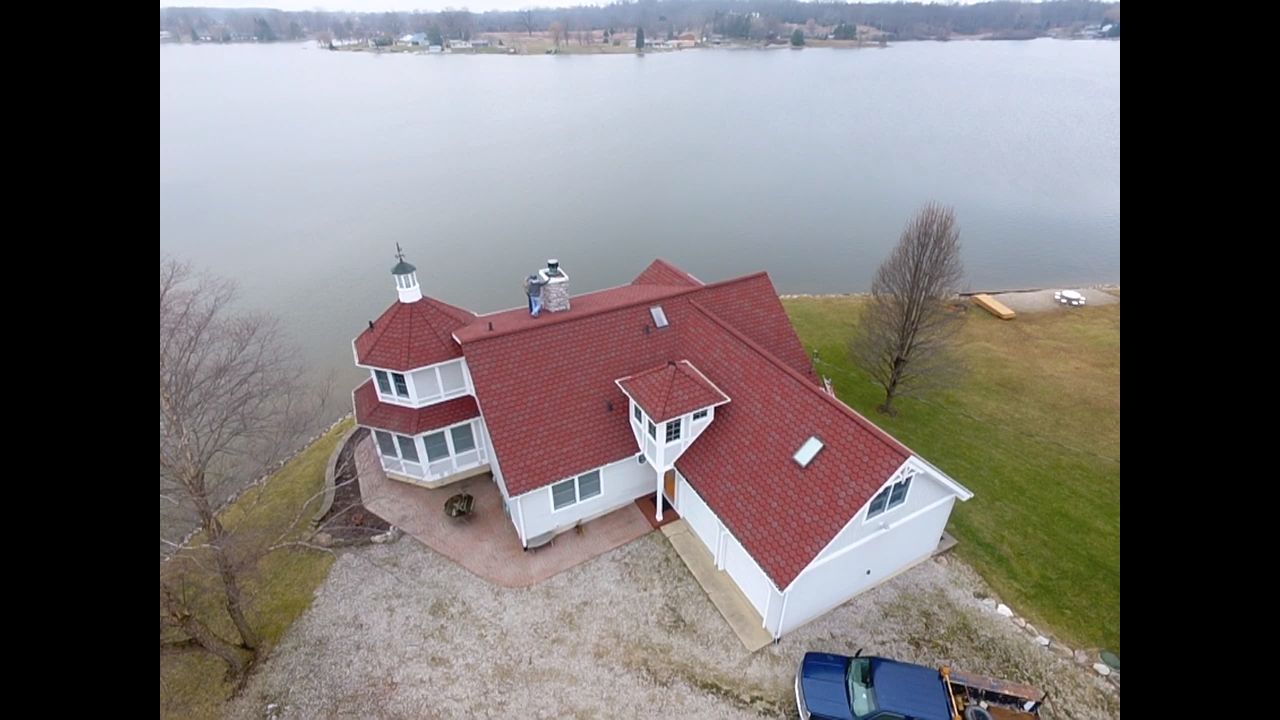


Commercial Roofing Services That Protect Your Property

A commercial roof rarely fails at a convenient time. A small leak over a storage room can become damaged inventory, stained ceilings, slippery floors, interrupted operations, and an unhappy tenant. For property owners and managers, commercial roofing services are not simply about replacing materials. They are about protecting the building, the people inside it, and the income or work that depends on it.
The right roofing contractor helps you make sound decisions before a minor concern becomes a major expense. That means looking beyond the visible leak, understanding how the existing roof is performing, and choosing a repair or replacement plan that fits the building's use, budget, and long-term needs.
What Commercial Roofing Services Should Include
Commercial properties come in many forms, from retail buildings and offices to barns, apartment buildings, warehouses, churches, and lake-area businesses. Their roofs vary just as much. Some have low-slope systems with drains and penetrations, while others have pitched roofs finished with asphalt shingles, exposed-fastener metal, or standing seam metal.
A dependable contractor begins with a thorough evaluation rather than offering a one-size-fits-all answer. The roof covering matters, but so do the deck condition, flashing, drainage, ventilation, rooftop equipment, wall connections, and signs of moisture below the surface. Water can enter at one point and travel before it appears indoors, so the stain on a ceiling is not always the source of the problem.
Commercial roofing services should also include clear communication about scope, timing, material choices, and what will happen if additional damage is uncovered. Property owners need practical information they can use, not vague assurances. A written scope helps everyone understand what is being repaired or replaced and helps prevent surprises once the work begins.
For occupied buildings, planning is especially important. A contractor should consider customer access, employee safety, parking, deliveries, noise, weather exposure, and daily cleanup. The goal is to complete the work efficiently while respecting the fact that your building may need to remain open throughout the project.
Repair or Replacement: How to Make the Right Call
The best answer depends on the age and condition of the roof, not just the size of the leak. A localized repair can be a wise investment when the rest of the system is sound. Replacing a damaged pipe boot, resealing flashing, correcting a drainage issue, or repairing storm damage may add years of useful life without requiring a full reroof.
Replacement becomes more practical when repairs are becoming frequent, materials are nearing the end of their expected life, or water has affected the roof deck or insulation. Repeated patching can cost more over time if it only delays a larger failure. A roof with widespread deterioration may also create uncertainty for tenants, insurers, buyers, or lenders.
There are a few warning signs worth addressing promptly:
Water stains, active leaks, moldy odors, or bubbling paint inside the building
Loose, missing, cracked, curled, or deteriorated roofing materials
Rusted flashing, open seams, failed sealant, or damaged areas around rooftop penetrations
Standing water, clogged drains, sagging roof areas, or visible deck movement
These symptoms do not automatically mean a full replacement is needed. They do mean the roof deserves a professional inspection. Acting early often gives you more options and more control over scheduling and cost.
Choosing the Right Commercial Roofing System
The right roofing material should match the building, local weather, and your ownership plans. In southern Michigan, northern Indiana, and Northwest Ohio, a roof must handle snow, freeze-thaw cycles, heavy rain, wind, summer heat, and occasional storm damage. Material selection should account for more than the upfront price.
Asphalt shingles can be a strong fit for many commercial properties with sloped rooflines, including offices, small retail buildings, multifamily structures, churches, and mixed-use properties. They offer a familiar appearance and a range of style and budget options. Quality installation, proper ventilation, and correct flashing are essential to their performance.
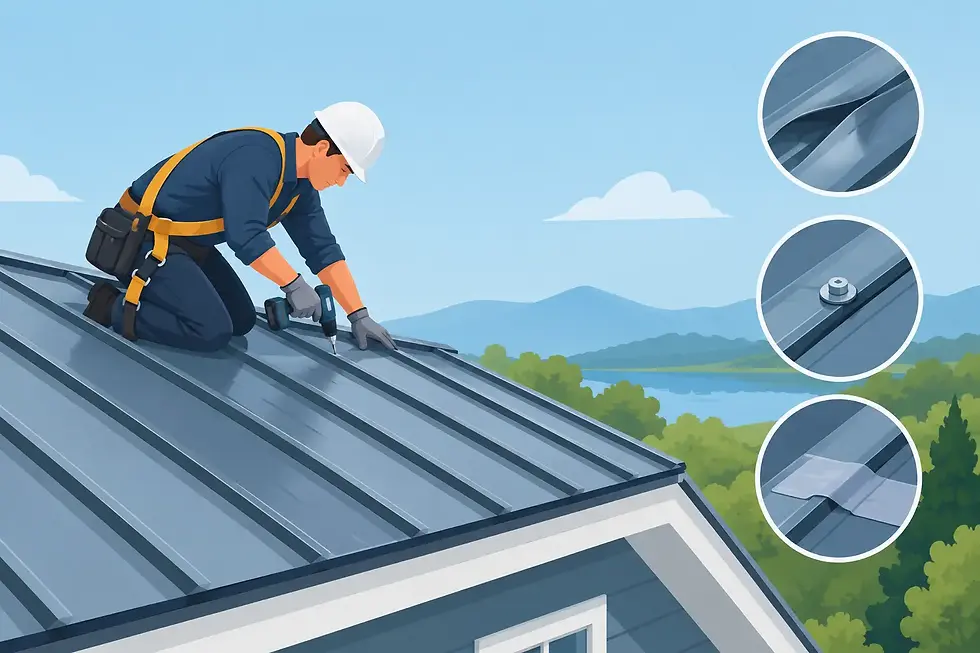
Metal roofing is often an excellent long-term choice for commercial buildings, agricultural structures, and properties exposed to open-country wind. It is durable, low-maintenance, and well suited to shedding snow and rain when designed correctly. Standing seam metal roofing offers concealed fasteners and clean lines, making it a particularly attractive option for owners who value durability and appearance over the long term.
The trade-off is that metal roofing typically requires a larger initial investment than shingles. It also demands careful installation around valleys, penetrations, transitions, and trim details. A lower price is not a bargain if the details that keep water out are overlooked.
Low-slope commercial roofs require their own approach. Drainage, membrane condition, seams, edge metal, and flashing details all need close attention. In some cases, a coating or targeted repair can extend service life. In others, trapped moisture or widespread failure makes a more complete solution the responsible choice. The recommendation should come from the condition of the system, not from a predetermined sales pitch.
Plan Around Your Building Operations
Roofing is disruptive by nature, but it does not have to create unnecessary disruption. Before work starts, establish a plan for access, staging, parking, dumpsters, material deliveries, and areas that need added protection. If your property serves customers or tenants, communicate the schedule early and make sure they know what to expect.
Weather is another factor. A professional crew watches forecasts closely and protects exposed areas as work progresses. Fast turnaround can be valuable, particularly when a roof is leaking or a business needs to limit downtime. Still, speed should never come at the expense of preparation, safe work practices, or proper installation. Some roof replacements can be completed in a day when the building, size, weather, and scope allow it. Larger or more complex projects require a phased schedule.
Property managers should also ask how the contractor will document the job. Photos of existing conditions, progress updates, change discussions, and final walkthrough notes create accountability. This is especially helpful for owners who live out of town or manage multiple properties.
Storm Damage, Insurance, and Emergency Response
Wind, hail, falling branches, and heavy rain can turn a stable roof into an urgent problem. After a storm, prioritize safety. Keep people away from wet electrical areas, protect movable contents if it is safe to do so, and document visible damage with photos. Temporary protection may be necessary to limit additional water intrusion.
Insurance claims can add another layer of stress. A knowledgeable roofing contractor can help identify storm-related damage, prepare clear estimates, and provide documentation that supports your conversation with the insurance company. The contractor should not promise what an insurer will approve, but they can help you understand the scope of damage and the work needed to restore the property correctly.
For owners of lake homes, seasonal businesses, or vacant commercial buildings, communication matters just as much as craftsmanship. Detailed scopes, progress photos, and regular updates allow you to make informed decisions without needing to be on-site every day. Carbon Construction Company brings roofing knowledge and broader construction experience to projects where roof damage may also affect siding, interiors, framing, or other parts of the building.
Questions to Ask Before Hiring a Roofing Contractor
A commercial roof is too significant an investment to choose a contractor based on price alone. Ask whether the company has experience with your roof type and building use. Ask who will supervise the work, how crews will protect the site, what the proposed materials include, and how changes will be handled if hidden damage is found.
It is also reasonable to ask about scheduling, cleanup, warranties, insurance assistance, and references from comparable projects. A family-operated local contractor with an established reputation has a strong reason to stand behind the work. That local accountability matters when you need an answer after the final crew has left.
Your roof does not need to be in crisis before you call for help. A timely inspection, a clear repair plan, or a well-planned replacement can protect your property from avoidable damage and give you confidence in the seasons ahead.


Comments